In Praise of Earthworms

I’d estimate that roughly three-quarters of the fish I’ve caught in my life have come on an earthworm, with the remainder taken on various lures. When lures aren’t producing and I simply want to catch something—anything—I’ll thread a worm onto a small hook under a bobber and, more often than not, end up happily holding a bluegill. In the past couple of months, I’ve also come to appreciate how effective worms can be on bottom rigs, particularly for benthic species like redhorse and suckers.

That reliability comes at a cost. It isn’t unusual for me to spend twenty dollars a week on nightcrawlers and red wigglers from local sporting goods stores. I tend to buy both, even though I usually end up cutting pieces from the larger nightcrawlers. The worms don’t last long. Within a day or two they begin to rot—or “necrose,” in pathology terms—and I start to worry about the smell taking over my car. I usually leave the container on top of the garage trash can and, only when I’m sure they’re dead, toss them into the backyard, though I’ve begun to question why I feel the need to wait.

That habit, and the expense, got me thinking about whether I could simply dig worms in my yard. The answer, unfortunately, is no—the soil is too dry and poor to support many. That realization brought back a memory from my childhood. My dad, an avid organic gardener, once raised worms in our basement in a large trash can. I can still picture what went into it: potting soil, shredded newspaper, and bits of lettuce and other kitchen scraps. At the time, it seemed like an odd project, but his goal wasn’t fishing. He was trying to improve the thin, dry soil of Hays, Kansas.

What he had set up was more sophisticated than I appreciated then. In effect, he had created a small, self-sustaining ecosystem. The shredded newspaper provided a light, breathable carbon source, while the potting soil gave the worms structure and grit for burrowing. The food scraps broke down steadily, feeding not only the worms but the entire microbial community that supported them. In the cool, dark environment of the bin, the worms thrived and multiplied.

His real objective lay outside the basement. The soils around Hays tended to be clay-heavy, low in organic matter, and prone to compaction, with a pale, almost lifeless appearance. By adding both compost and worms, he gradually transformed that ground. The worms tunneled through the soil, aerating it and improving water infiltration, while pulling organic material downward and leaving behind nutrient-rich castings. At the same time, the compost contributed carbon and nitrogen and improved the soil’s structure. Over time, the tight, light-colored soil gave way to the dark, crumbly loam I remember from his garden. Looking back, it’s clear that he was practicing a kind of long-term soil restoration decades before “regenerative gardening” became a popular term.

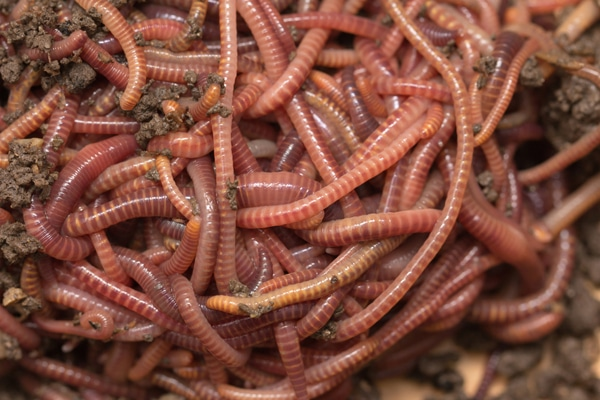
At the time, I didn’t connect any of this with fishing, but in retrospect it ties directly to the bait I rely on so heavily. Not all worms are the same, and the differences matter. European nightcrawlers (Dendrobaena hortensis) occupy a kind of middle ground: hardy, active on the hook, and versatile enough to catch everything from panfish and trout to bass, walleye, and catfish. Red wigglers (Eisenia fetida) are smaller and reproduce quickly, which is part of what made them so useful in systems like the one my dad maintained; as bait, they excel for panfish and trout, though their size makes them less appealing for larger fish unless used in multiples. Canadian nightcrawlers (Lumbricus terrestris), by contrast, are the classic large bait worm—the kind found in nearly every bait shop. They are ideal for bigger fish like walleye, bass, and catfish and are especially effective on bottom rigs, but they don’t lend themselves to cultivation, living deep in the soil and resisting attempts to raise them in contained systems.

Taken together, these different worms reflect both sides of the story: the biology of the soil my Dad was working to improve and the practical realities of catching fish. As I keep buying them by the dozen, I can’t say the investment hasn’t been worth it.
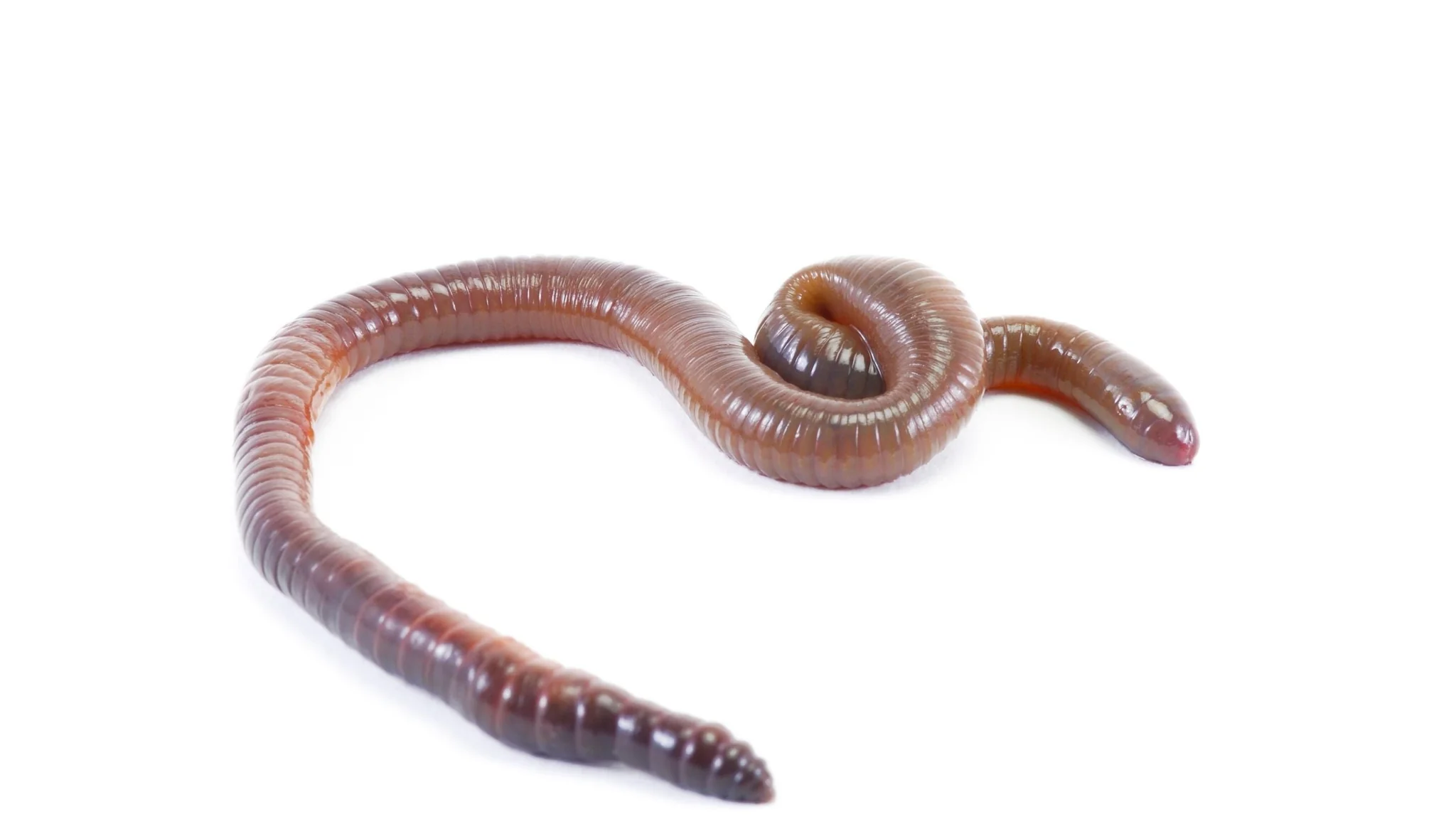
European Nightcrawler
Red Wriggler Worms

History of the Clean Water Act—and Why It Matters to Fishermen

While fishing the other day, I found myself thinking about how river water quality compares to when I was a kid in the 1960s and 1970s. It seems much improved today, even though there is still room for progress.

The first Earth Day was held on April 22, 1970, when I was just 11 years old. I remember it being a big deal, but I had little understanding of what it was about—at the time or even until recently, when I read more about it. One of the most important outcomes, especially for those of us who fish, was the passage of the Clean Water Act.

The Clean Water Act grew out of decades of largely unsuccessful efforts to control water pollution in the United States. Earlier laws, such as the 1948 Federal Water Pollution Control Act, relied mostly on voluntary cooperation and had minimal enforcement power. By the 1960s, many rivers and lakes were heavily contaminated with industrial waste and sewage. Public concern reached a peak after events like the 1969 Cuyahoga River fire, when a polluted river literally caught fire.

In response to this environmental crisis and rising public pressure, Congress passed sweeping reforms in 1972 that became known as the Clean Water Act. Despite a veto by President Nixon, Congress overrode it with strong bipartisan support. The law marked a major shift: rather than relying on voluntary measures, it made it illegal to discharge pollutants into U.S. waters without a permit and established a national regulatory system to control pollution.

Over time, the Act has been strengthened and refined. Amendments in 1977 expanded controls on toxic pollutants and industrial discharges, while changes in 1987 placed greater emphasis on state-led programs and addressed pollution from runoff sources.

Today, the Clean Water Act remains the foundation of water pollution regulation in the United States. It reflects a fundamental transformation—from weak, fragmented efforts to a strong federal framework designed to protect the nation’s waters.

Importantly, the Act applies not only to the rivers and lakes where I fish, but also to coastal waters and estuaries—essentially the country’s interconnected surface waters.

For more information on the history of the Clean Water Act (as well as the EPA and the Clean Air Act), see this excellent video.

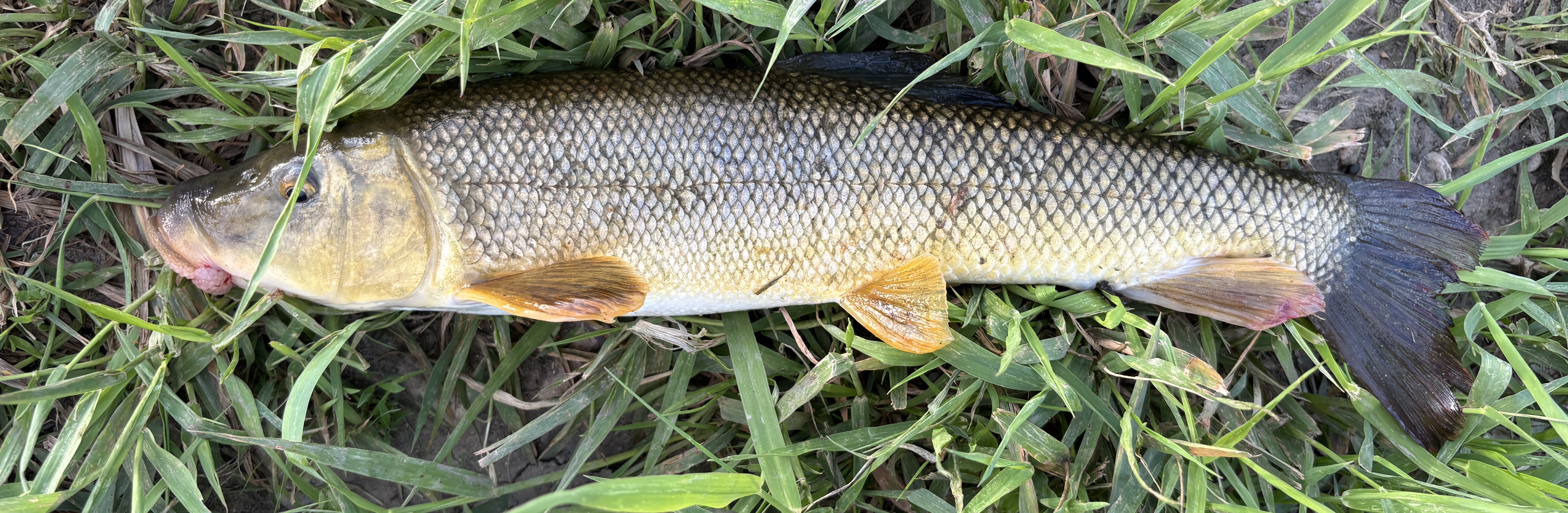
Species #29: Shorthead Redhorse

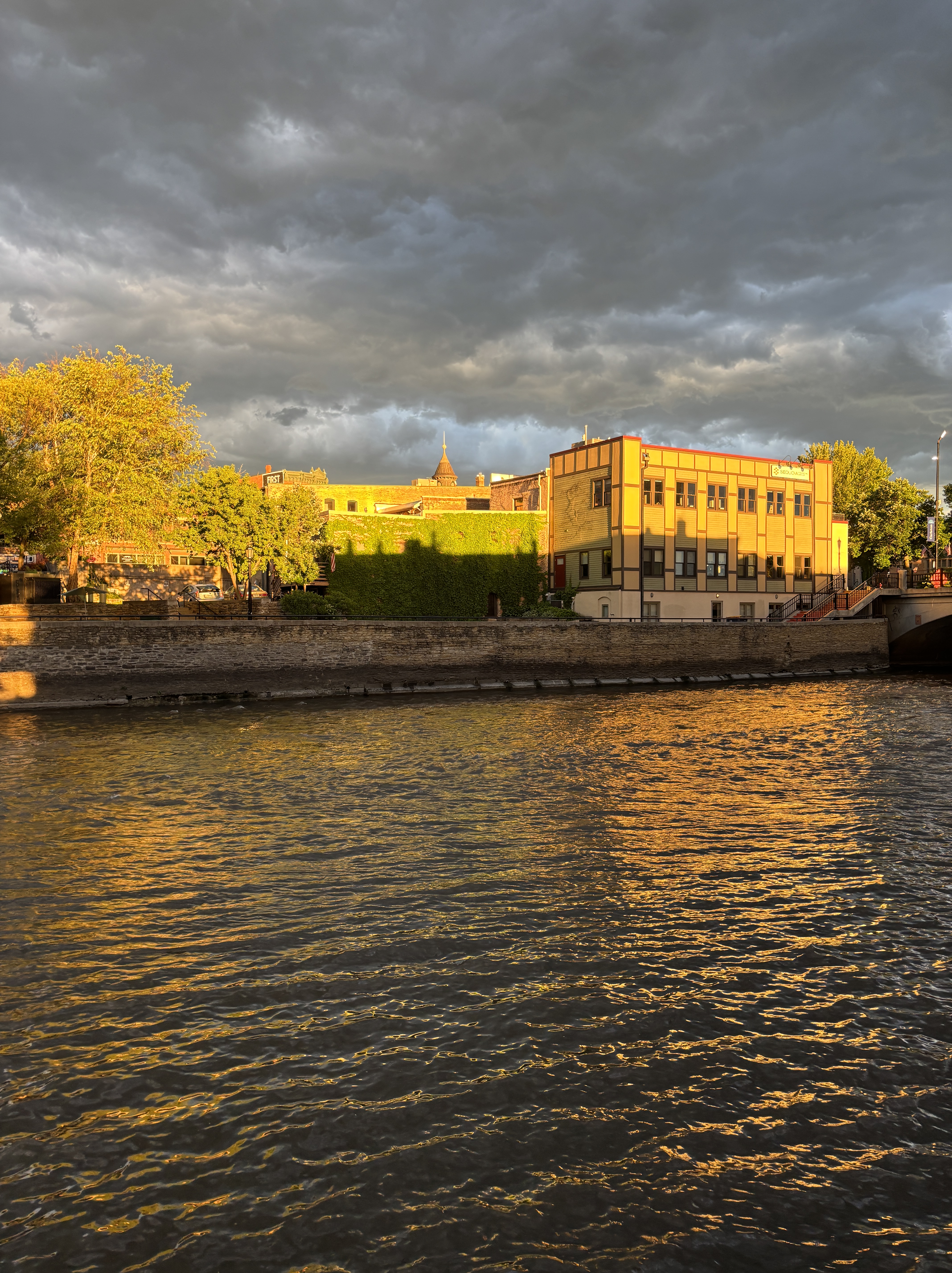
Woke at 5 a.m. to head back to Northfield below Ames Dam, hoping to catch a Redhorse species—though I would have gladly taken a Bigmouth Buffalo or Carp. I was set up and fishing by about 8 a.m.

I used a simple bottom rig: 6‑lb monofilament main line and leader, a ½‑ounce sliding egg sinker, barrel swivel, and initially a size 8 hook (later switching to a size 10).

After about 20 minutes, I landed a Freshwater Drum. Soon after, I hooked what appeared to be a Redhorse but lost it at the shoreline. The same sequence repeated—another drum, then another lost Redhorse. At that point, I downsized from a size 8 to a size 10 hook to see if it would improve hookups.

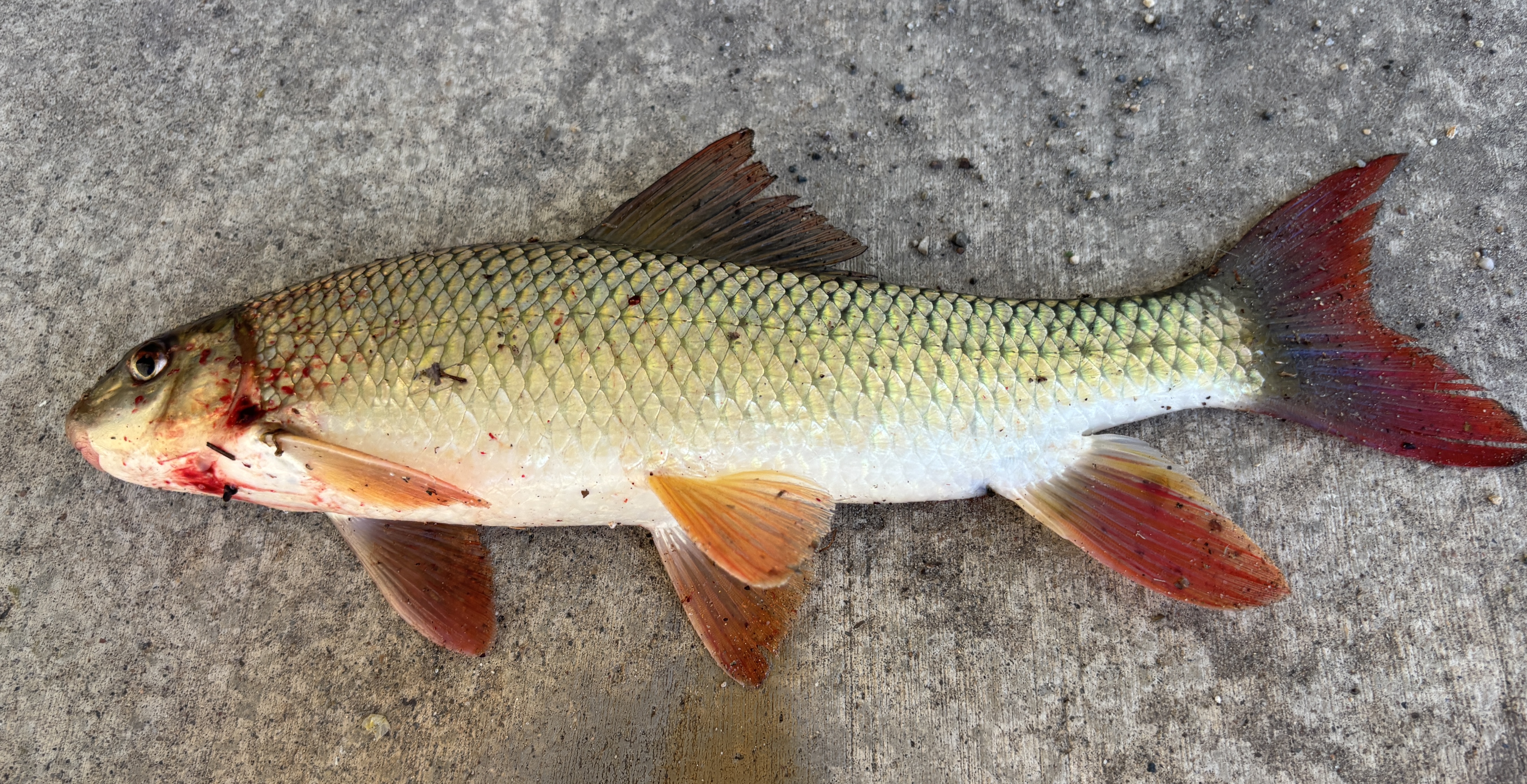
That adjustment paid off. I was thrilled to land my first Redhorse—specifically, a Shorthead Redhorse. Interestingly, it didn’t put up much of a fight initially, but as it neared shore, it surged with surprising strength.

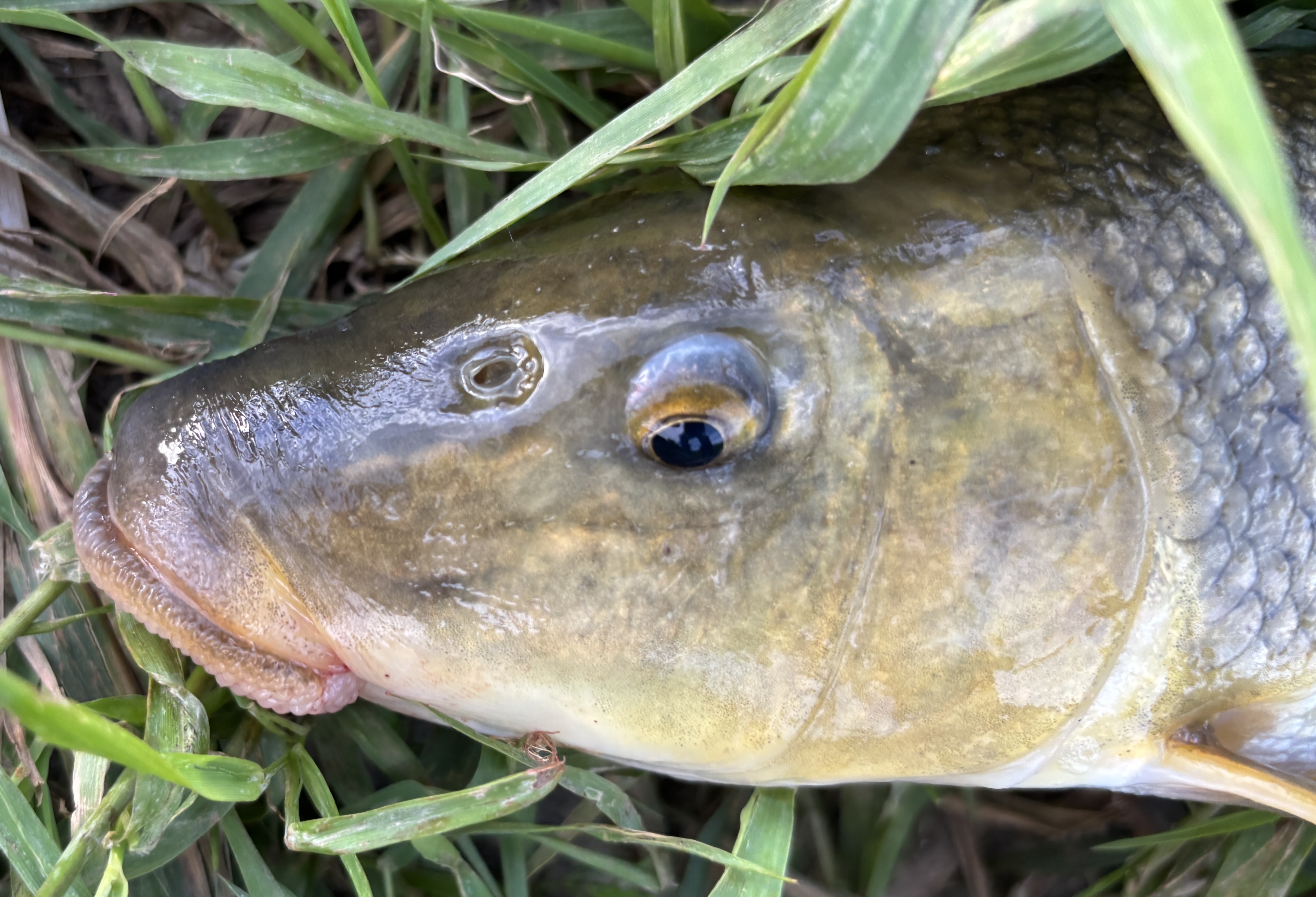
Shorthead Redhorse

Unfortunately, the fish was gut‑hooked and visibly bleeding. I chose not to attempt hook removal; instead, I cut the line and released it. My understanding is that cutting the line is generally the best option in these situations, especially when there is bleeding. Attempting to remove a deeply embedded hook in species like redhorse—whose gill arches are delicate and whose throats are narrow—can cause far greater damage.

Research supports this approach. Once a hook passes beyond the tongue pad, removal often leads to tearing of tissue or injury to the esophagus or gill arches. Cutting the line avoids additional trauma. In many cases, the hook will corrode, become encapsulated by tissue, or eventually pass. Studies in similar species (catfish, suckers, carp) show significantly higher survival rates when anglers cut the line rather than attempt removal.

Redhorse are especially prone to gut‑hooking because of how they feed. They inhale food rather than striking it, feed head‑down so the hook slides inward easily, and produce a very subtle bite that’s easy to miss—particularly when using worms, one of their preferred foods.

The fish itself was striking. The fins were a vivid, almost glowing red—peak June coloration. Shorthead Redhorse are among the most beautiful freshwater fish in Minnesota. This coloration comes from carotenoid pigments acquired through their diet, with intensity enhanced by spawning‑season hormones.

These bright red fins likely serve several purposes:

  1. Spawning signal – helping fish locate each other in often murky water
  2. Species recognition – subtle differences distinguish species within the genus
  3. Health indicator – brighter coloration often reflects a well‑fed, healthy fish

This one clearly checked all three boxes—the most visually striking fish I’ve caught in some time.

Species #28: Brown Trout

I woke up at 4:30 a.m. and headed back to the Root River in Preston, hoping this would be the day I landed a Brown Trout (Salmo trutta). It took about 45 minutes to get there, and I was fishing by 6:00 a.m. It was a little chilly, but a really nice morning—sun, scattered clouds, almost no wind.

This stretch of the Root River is fairly narrow and probably not very deep. The night before, I’d seen some kids swimming in it, and they were often able to stand with their heads out of the water. I’d guess it’s about 30–40 feet across in most places. Still, it clearly holds fish. On earlier trips I had already caught Rainbow Trout, Common Shiner, Creek Chub, and White Sucker.

I started out throwing a couple of small inline Panther Martin spinners. I should have written down the exact size and colors, but didn’t. One was all silver, and the other had green, red, and silver—at least I think that’s what it was. Probably the next-to-smallest size. I made around 40 casts without a single bite. Eventually I decided that was enough persistence for one lure.

The water looked a bit murky, probably from heavy rains the day before, and I began to suspect the fish just weren’t seeing the spinners very well. Or possibly they were seeing them and choosing to ignore them—always another possibility. Either way, I switched back to the bottom rig that had worked well on my last two trips: 6 lb monofilament, 1/8 oz egg sinker, swivel, about a 12-inch leader, and a size 10 hook with a piece of worm.

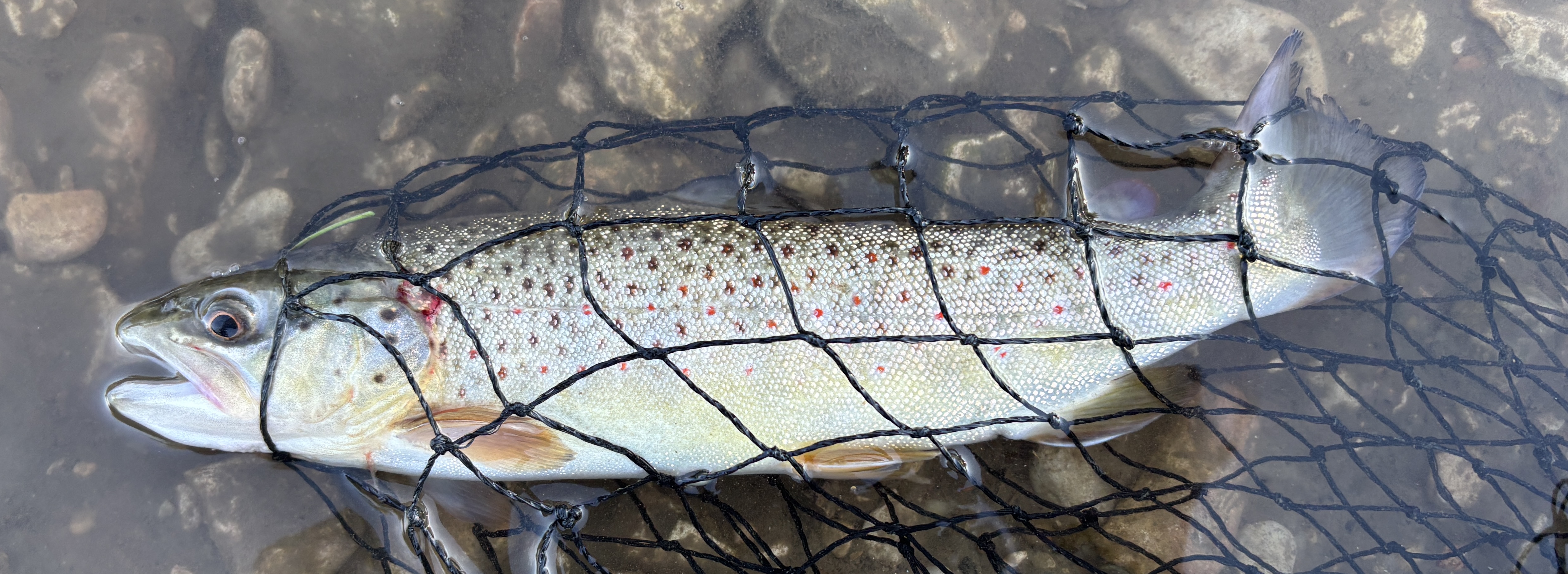
The action was pretty slow, but then I finally caught a Brown Trout. Not a huge one, but a nice fish and, more importantly, a new species for me. I posted it to iNaturalist and, I’ll admit, kept checking back waiting for confirmation. About eight hours later someone confirmed that it was a Brown Trout. I also picked up another Common Shiner along the way.

Brown Trout

After that, I switched things up and headed over to the Mississippi River to try for Bowfin. That’s a completely different game—different rod, different rig, different mindset. No luck this time, but that’s probably a story for another day when I actually catch one.

With the Brown Trout, I’ve now completed the trout “triumvirate”: Rainbow, Brook, and Brown. I’ve caught Rainbow in Minnesota and Washington, Brook in Washington, and now Brown in Minnesota. Next on the list are Lake Trout, Splake, and Tiger trout—because apparently there is always another fish to chase, and apparently I am fine with waking up at 4:30 a.m. to do it.

Species #27 Common Shiner

I went to the South Fork of the Root River in Preston, Minnesota this afternoon and evening hoping to catch a Brown Trout for my species list. I used the same bottom rig I had the other night, baited with a bit of worm. Once again, I ended up with something different—LOL. I landed a nice Rainbow Trout and hooked a couple more fish that I couldn’t bring in. One of those might have been a Brown Trout, but I can’t say for sure. I stayed from about 5:30 to 8:30 p.m., getting occasional bites, though I missed most of the hooksets. Just as I was about to call it a night, I caught one last fish that I suspected might be something new, but I wasn’t sure what it was.

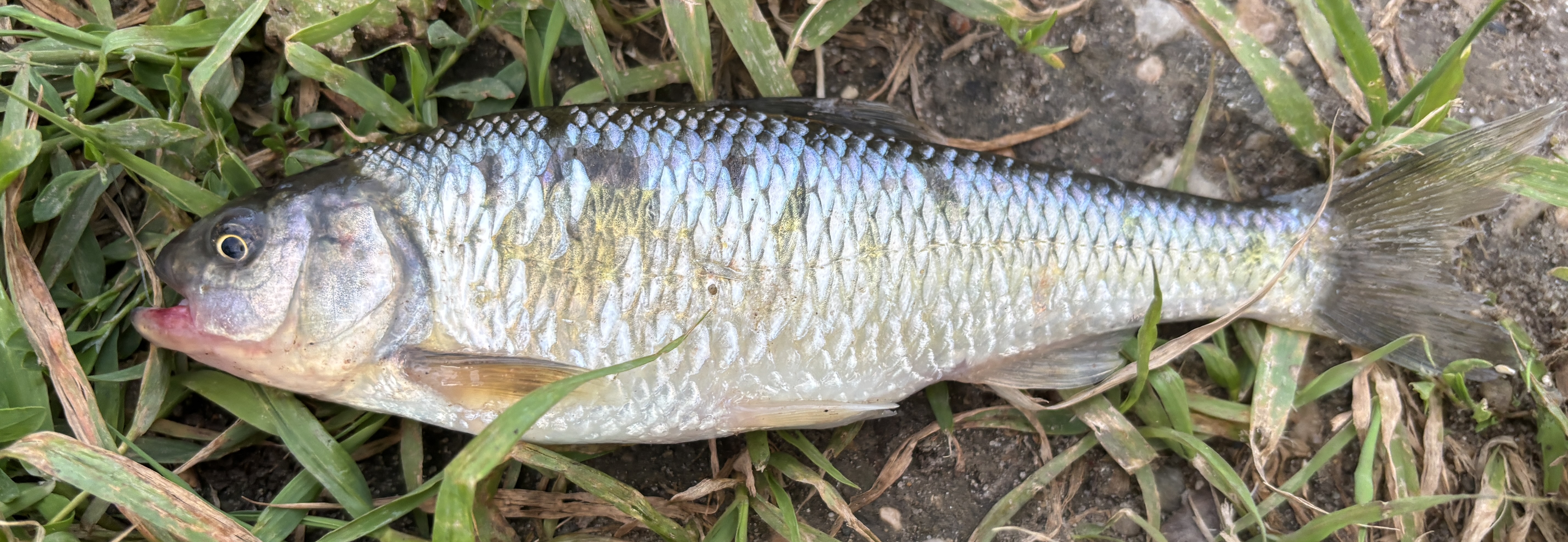
Common Shiner

iNaturalist identified it as a Common Shiner, which immediately made me wonder what exactly that was. A little research cleared things up. Shiners are part of the Minnow family (Cyprinidae), the largest family of freshwater fish in North America. The Common Shiner (Luxilus cornutus) is one of the more widespread species and is typically found in clear streams with moderate current—exactly the kind of water I was fishing. They usually have a silvery body with a darker back and tend to grow to about 2–6 inches. The one I caught was right around 6 inches.

I also learned that while all shiners are minnows, not all minnows are shiners. “Minnow” is a broad term that includes shiners, daces, and chubs, among others, while “Shiner” generally refers to these small, silvery, often schooling fish. Common shiners are a bit more robust than some of the other shiner species and can be an important forage fish for larger predators. Overall, it was a fitting and interesting catch for that stretch of river—even if I’m still looking for that Brown Trout.


Species #25 and 26: River Chub and White Sucker

This afternoon I went to Rushford to try to catch Redhorse species and White Sucker at the Root River canoe drop-off on the south side of town. I used a simple bottom rig: 6 lb monofilament, 1/8‑oz sinker, 6 mm bead, size 10 barrel swivel, and about 18 inches of 6 lb leader with a size 8 hook, baited with roughly a 1/2‑inch piece of earthworm. No bites. I gave up after about 45 minutes.

I then drove to Preston to try for Brown Trout on the South Branch of the Root River. Because I was feeling a bit lazy I decided to stick with the same bottom rig for a while before switching to an inline spinner. I was surprised when I quickly caught a decent-sized, beautifully colored Rainbow Trout on the bottom rig. It put up a respectable fight.

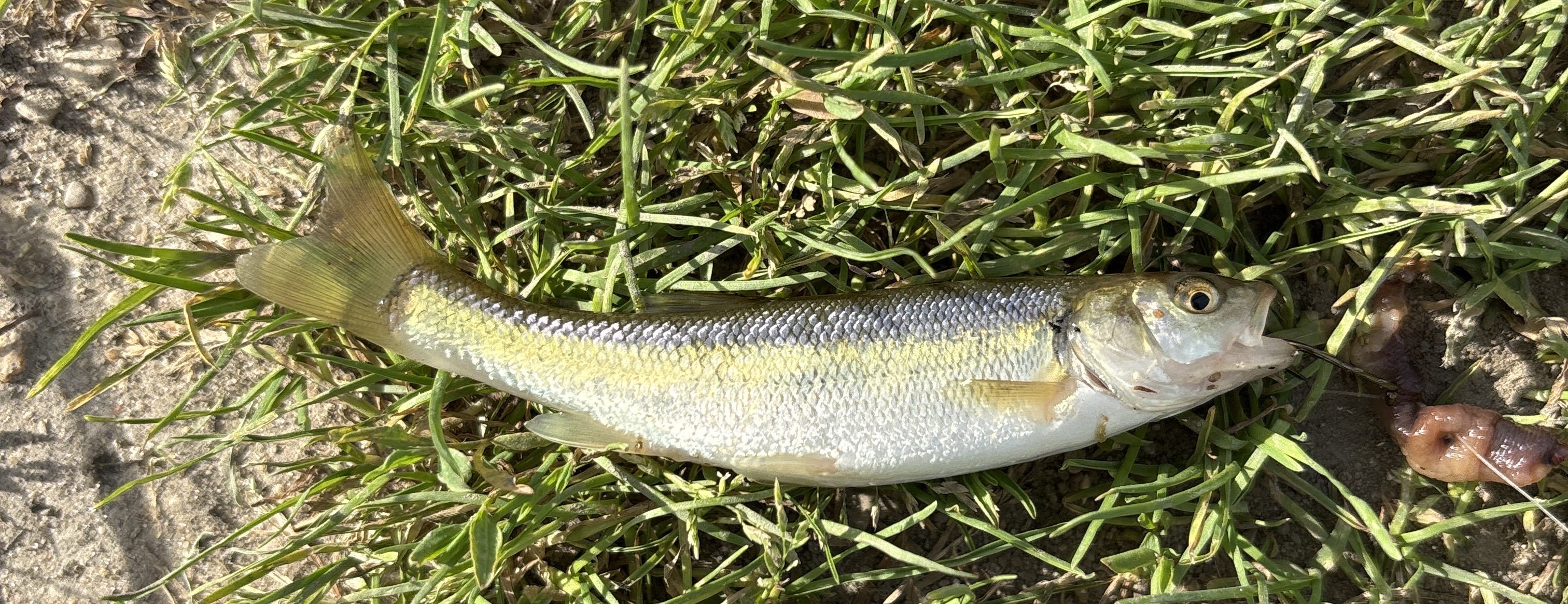
A little later I reeled in a ~3-inch River Chub (Nocomis micropogon)—a new species for me—which gave no fight (not surprising given its size). I didn’t even realize it was on the line until I pulled it in.

River Chub

About 20 minutes later I caught a solid (~12-inch) White Sucker (Catostomus commersonii), also a new species. Interestingly, it put up very little fight given its size. The White Sucker’s lips look like those of someone who’s had a bit too much Botox.

White Sucker
White Sucker (close up of lips)

I never did get around to using the inline spinner before I had to quit for the day. Perhaps I would have picked up a Brown Trout if I had.

So far, in terms of fight relative to size, I would rank Bluegill, Smallmouth Bass, and Trout as the best fighters. Channel Catfish also fight well, but they’ve been larger fish, so that’s somewhat expected. The least impressive fighters for their size have been White Sucker, Bullheads, and Northern Hog Sucker.

A little reading suggests that bottom-feeding fish often don’t “fight” as dramatically on hook and line because they’re built for steady, near-bottom living rather than quick bursts of speed. Their bodies and behavior favor slow cruising and endurance, so instead of explosive runs or jumps, they tend to pull steadily and hug the bottom—resulting in a more stubborn but less flashy fight compared with fast-moving predator species.

River Chub are apparently among the most common fishes in North American streams and are important prey for larger fish. They are often used as bait by anglers targeting bass and catfish. Their presence is also considered a good indicator of water quality, as they are relatively intolerant of pollution, turbidity, and siltation, and typically require a pH of at least ~6.0.

White Suckers are bottom feeders that use their fleshy lips to vacuum up sediments and the organisms within them. They are opportunistic feeders, consuming small invertebrates, algae, and plant material. In turn, they are prey for a wide range of larger fish including Walleye, Trout, Bass, Pike, and Muskie.

Species #23 and 24: Black Bullhead and Northern Hog Sucker


This afternoon I returned to Northfield to try again for the huge Carp I failed to land Monday evening in the Cannon River tailwaters below Ames Dam. Once again, things didn’t go as planned in terms of targeting Common Carp—but I still managed to add a new species to my list.

Given how underpowered my medium-light rod and small hooks felt earlier in the week, I switched to heavier gear: a heavy rod, 30 lb braid main line, a 2 oz flat weight (which holds well in the current), 6mm bead, barrel swivel, and a ~20-inch 17 lb monofilament leader. I began with a 2/0 Octopus hook, then downsized to size 1. I tied the braid to the swivel with a Palomar knot, the swivel to the leader with a Trilene knot, and the hook with another Trilene knot. It was my first time using both knots, and I found it satisfying to learn them.

I arrived around 4:30 pm and fished until sunset (about 9 pm). The afternoon was mostly sunny, with a few light sprinkles late that I actually enjoyed. Fishing makes you very aware of the weather—the changing light through the evening was especially nice.

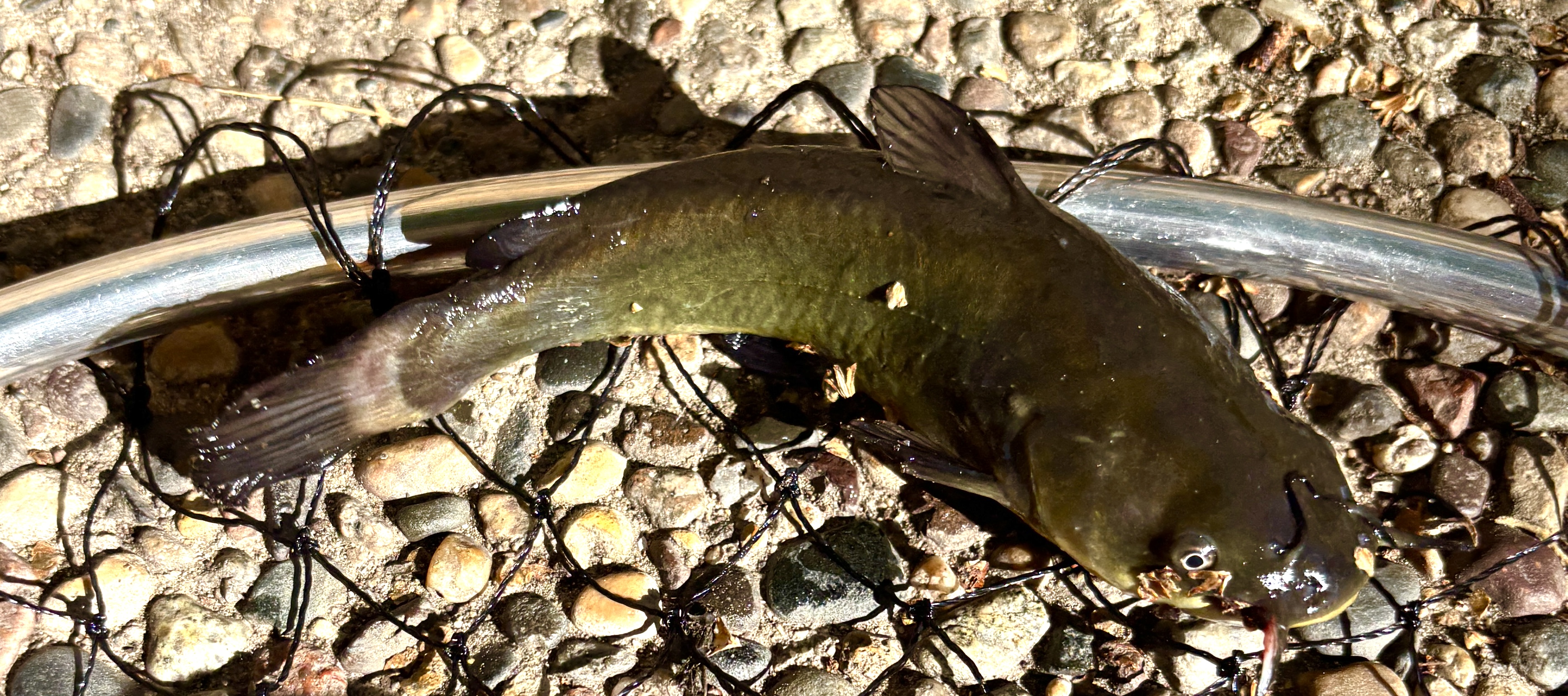
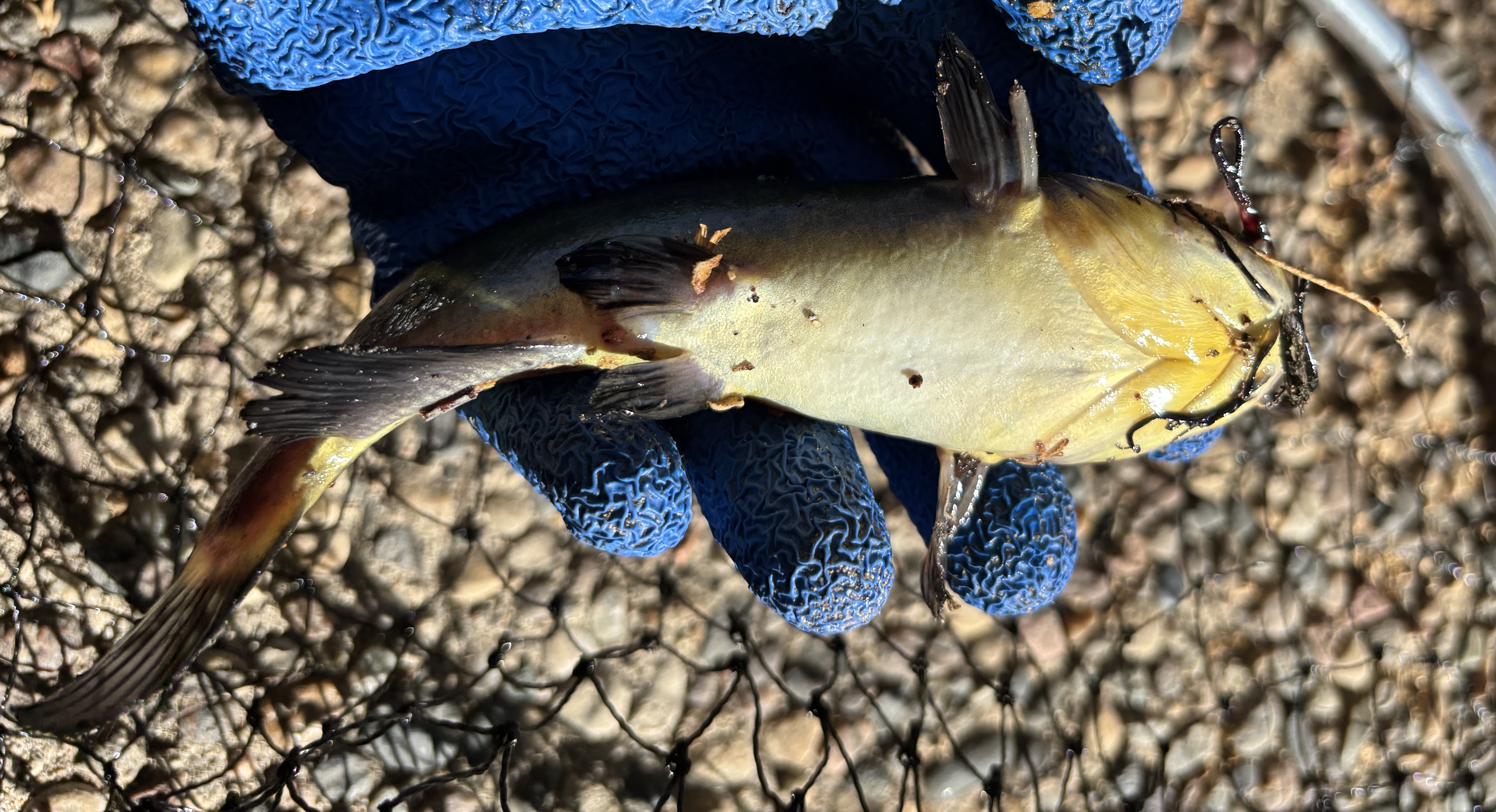
I didn’t catch a carp, but I did land two small Bullhead and a large, feisty Bluegill. The Bluegill fought hard; in contrast, with the heavy sinker and rod, I barely detected the Bullheads until reeling them in.

I couldn’t determine which Bullhead species they were, but I’ve since learned the key feature is the chin barbels: yellow bullhead have pale barbels, while brown and black have dark ones. Brown and black can be further distinguished by anal fin rays and coloration—brown are mottled with 21–24 rays, while black are darker and more uniform with 17–21. Tail shape and habitat provide additional clues. Next time I’ll pay closer attention.

[Update: the Bullhead was later confirmed as a Black Bullhead (Ameiurus melas) on iNaturalist]

Black Bullhead
Black Bullhead

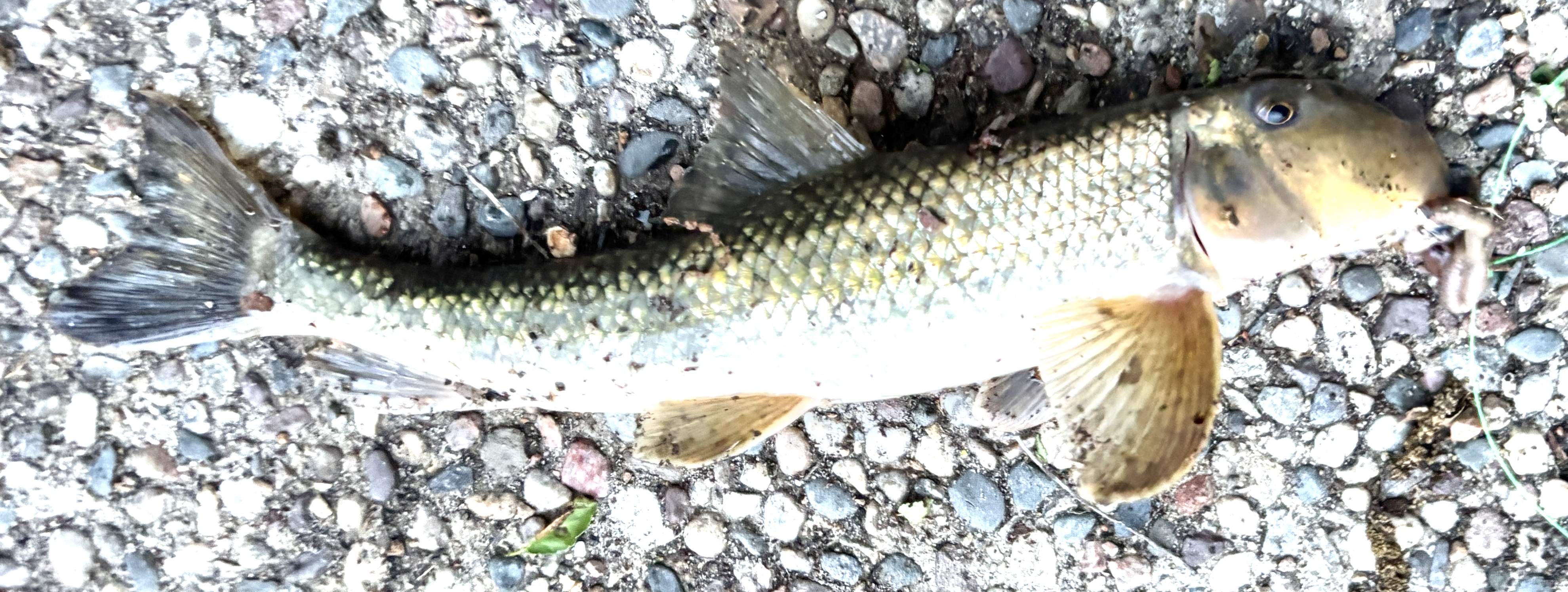
As sunset approached, I felt some disappointment—not having caught a carp or added a species (Update: apparently I had caught a new species, a Black Bullhead with iNaturalist update). But on my final cast I hooked a modest fish I hadn’t even realized was on the line. My initial impression was that it was a Redhorse species, which would have been a new species. However, iNaturalist (confirmed by two observers) identified it as a Northern Hog Sucker—still a new addition.

Northern Hog Sucker

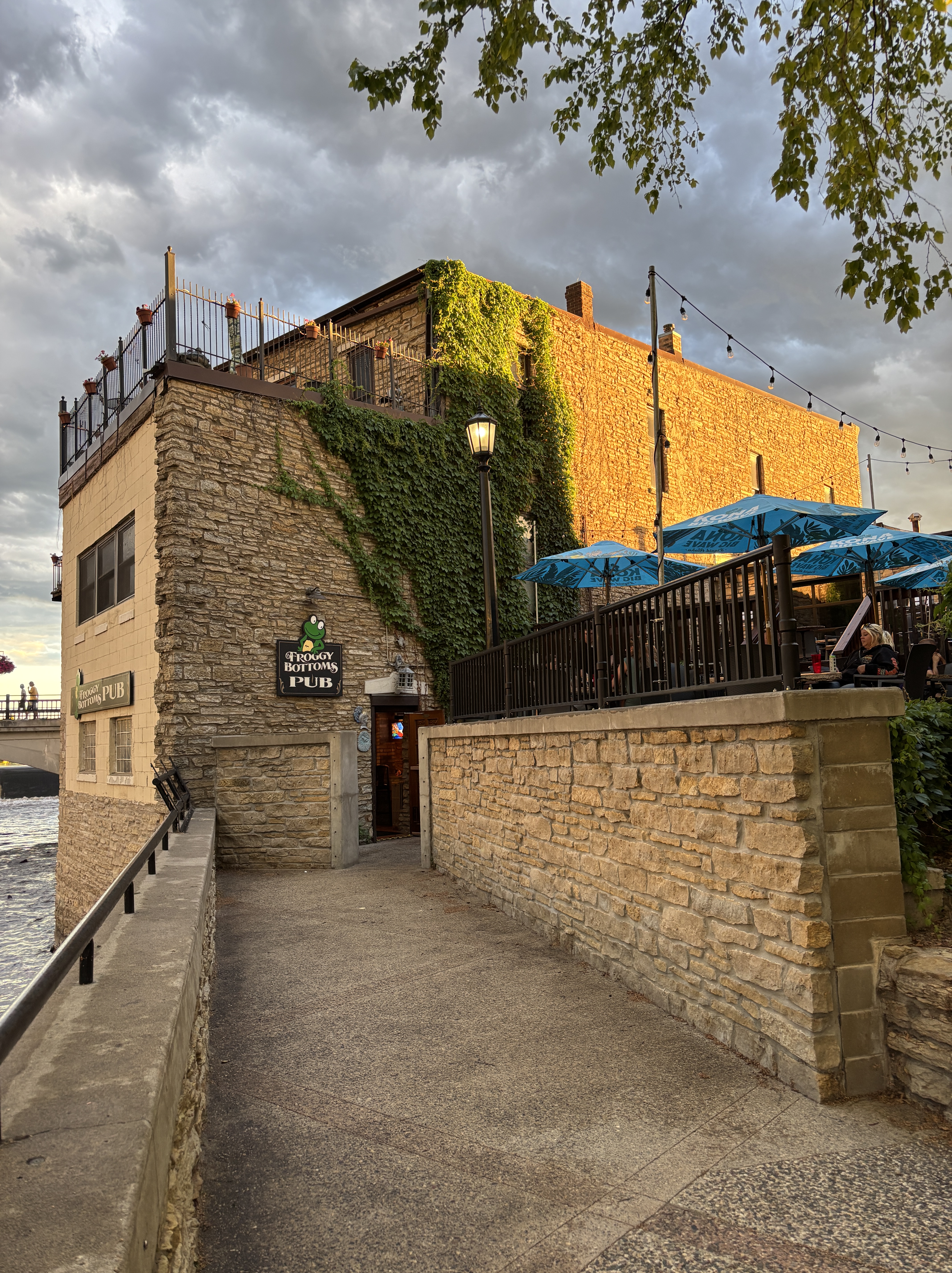
There’s a pub, Froggy Bottoms, right along the promenade by Ames Dam where I was fishing. People passed by on their way in, occasionally asking how things were going. One man was surprised I was targeting carp, given their reputation, but understood when I explained their size and fighting ability. I also admitted I was after them for my species list.

Northern Hog Suckers and Redhorse belong to the same family (Catostomidae). They aren’t especially attractive fish, but they play important ecological roles—moving nutrients, supporting food webs, and stabilizing benthic habitats. In many systems, they function as keystone species.

Carp, by contrast, belong to a different family. Although they look similar and share bottom-feeding habits, this reflects convergent evolution rather than close relation. Carp have barbels and more complex pharyngeal teeth and are omnivorous, whereas suckers lack barbels and tend to specialize on invertebrates.

In the end, it was a good outing. I added a new species—the Northern Hog Sucker—and deepened my understanding of both suckers and carp.

It’s Lucky I Didn’t Rediscover Fishing Until I Retired

I’ve recently fallen in love with fishing—perhaps even become a bit obsessed. I love everything about it: learning how to catch fish, understanding the different species and their features, the thrill of the fight, the quiet of being outdoors, and even the meditative rhythm of casting and waiting. I also enjoy learning about rivers, lakes, and the seashore, and the opportunity fishing provides to travel to new places. Although I enjoyed fishing as a child, I set it aside for most of my adult life while focusing on a busy career and raising a family.

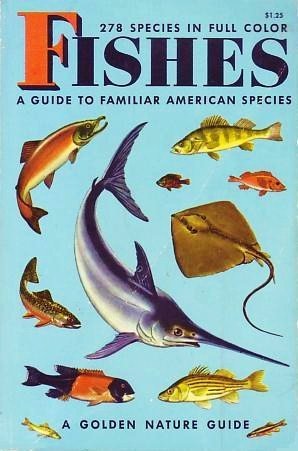
My fascination with fishing began around age twelve. My Dad introduced me to it and would occasionally take us out. My Mom nurtured the interest further by giving me a couple of Golden Guide books on fish and fishing, along with a subscription to a fishing magazine. I devoured them.

My parents also had a friend, Harold Kraus, who owned a large farm about 20 miles southwest of my hometown of Hays, Kansas. On his property was a roughly 20‑acre pond stocked primarily with Bluegill and Largemouth Bass. By the time I was 13, my Mom would drop me off there on Saturday afternoons, trusting Harold to keep an eye on me while I fished for hours.

One day Harold suggested I cast a lure beneath a large fallen tree along the shoreline. “You might find a big Largemouth Bass there,” he said. Sure enough, after a few casts, I landed a 3‑ to 4‑pound bass—an unforgettable moment.

By about age 16, tennis and other interests began to take over. Soon after, I left for college, then graduate school, medical school, and a demanding career, along with the responsibilities of raising children. Fishing became an occasional pastime at best.

Now, at 67 and nearing full retirement, I find myself returning to it with real enthusiasm. In some ways, I’m almost relieved I didn’t rediscover fishing earlier—I suspect I might have found it hard to get anything else done. It’s a wonderfully time‑consuming pursuit, in the best possible sense.

Lesson Learned #1: Make Sure Your Rod and Line Fit The Fish

I went to Northfield, MN this evening to try to catch Shortnose Redhorse, which are supposedly common in the Cannon River just below the Ames Mill Dam in downtown Northfield which is one-hour northwest of Rochester. Northfield is known for its two colleges—Carleton and St. Olaf—which add to the charm of the town.

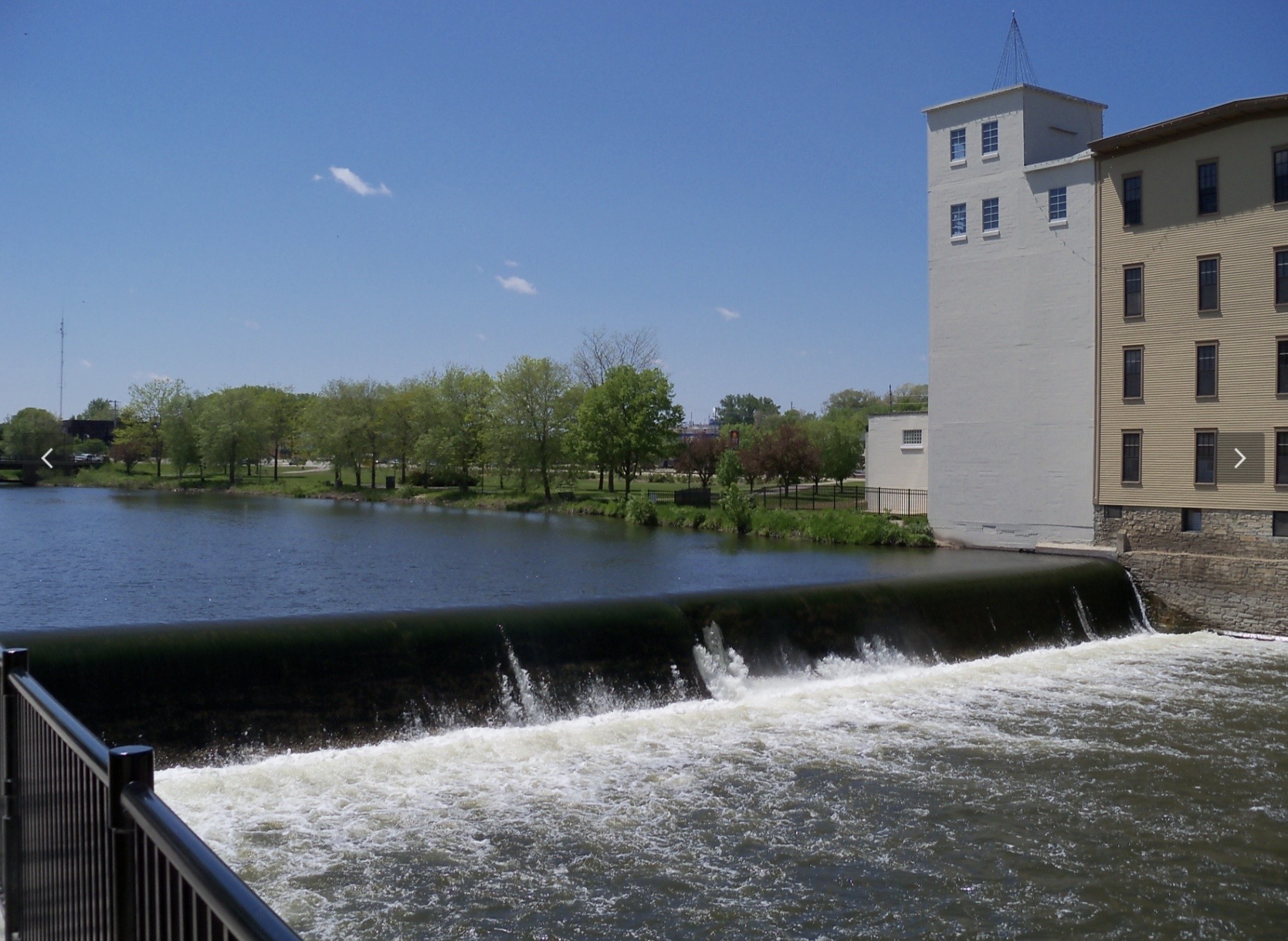
Ames Mill Dam

My strategy for redhorse was to use a split-sinker rig with the weight about 12 inches above a hook baited with a nightcrawler, cast into the riffles below the dam. The key is not to use too heavy a sinker—you don’t want it sitting on the bottom when targeting redhorse.

I was NOT catching redhorse, but I noticed numerous large Common Carp roiling in the water just below me.

Curious, I decided to let my bait hang over the side, close to the bottom, to see if I might get a bite from one of them.

Pretty soon I hooked a decent-sized fish. Initially, I thought it might be a carp—which I still need for my life list—but it turned out to be another Freshwater Drum. Those darn Freshwater Drum seem to be everywhere.

Still, I kept fishing, hoping to land one of those large carp.

Before long, I did hook one—and it was a fighter. I managed to battle it for about 20–30 seconds before it slipped away.

Shortly after that, a boy of about 14 who was fishing with his parents hooked a similarly large—perhaps even larger—carp. Unlike me, he clearly had experience. He played the fish skillfully, walking up and down the promenade along the west bank of the river to control it. He fought it for about five minutes before it finally got away.

As the evening went on, I hooked two more very large carp. In both cases, the moment I tried to bring them in, they snapped my 6-pound monofilament line.

It became obvious that there was no way I was going to land these fish with a medium-light rod spooled with 6-pound test.

Ironically, I had just purchased a heavy rod for catching flathead catfish—but had left it at home.

So I plan to return to Northfield soon (perhaps this weekend), but this time better prepared. I’ll bring the heavier rod, along with a reel spooled with at least 20-pound test line. I’ll also need a long-handled net that can reach over the 3–4 foot wall that lines the river, since the water itself is another four feet below that.

Still, I’m excited—I now know where to catch large carp. I just need to bring the right equipment.

And of course, I’ll also be back to try for more redhorse.

Species #21 and 22: Brook and Coastal Cutthroat Trout

It is funny how my fishing plans never turn out as planned. This morning I was going to try to catch Largescale Sucker and Brown Bullhead fish and instead I caught a Largemouth Bass (not a new species for me) and a Brook and Coastal Cutthroat Trout.

I started by fishing at Rattlesnake Lake at about 6 am in attempt to catch Largescale Sucker fish with a bottom rig (1/8 ounce egg sinker, small barrel swivel, about 12-inches of four-pound leader, and size 6 hook with bit of earthworm). I got no bites and so by 8am I gave up and headed to Lake Alice in an attempt to catch Brown Bullhead. That might have been futile since I am not sure that was the right habitat to catch Brown Bullhead. Instead, I caught a small Largemouth Bass.

After about 45 minutes at Lake Alice I headed to Plum #1 River Access Point about five miles away on the Snoqualmie River thinking of bottom fishing for suckers. Again, I think misguided since I think it might have been better for trout. There was a beautiful side pool and I fished that with the same bottom rig described above. I kept on losing the rig to snags. Eventually I thought to myself this might be a pretty good place to catch a trout (and not a bottom fish) and so I tied on a 1/8 Kastmaster spoon lure (silver and red) and after about 5 casts I hooked a trout which fought me pretty well and turned out to be a beautiful Brook Trout.

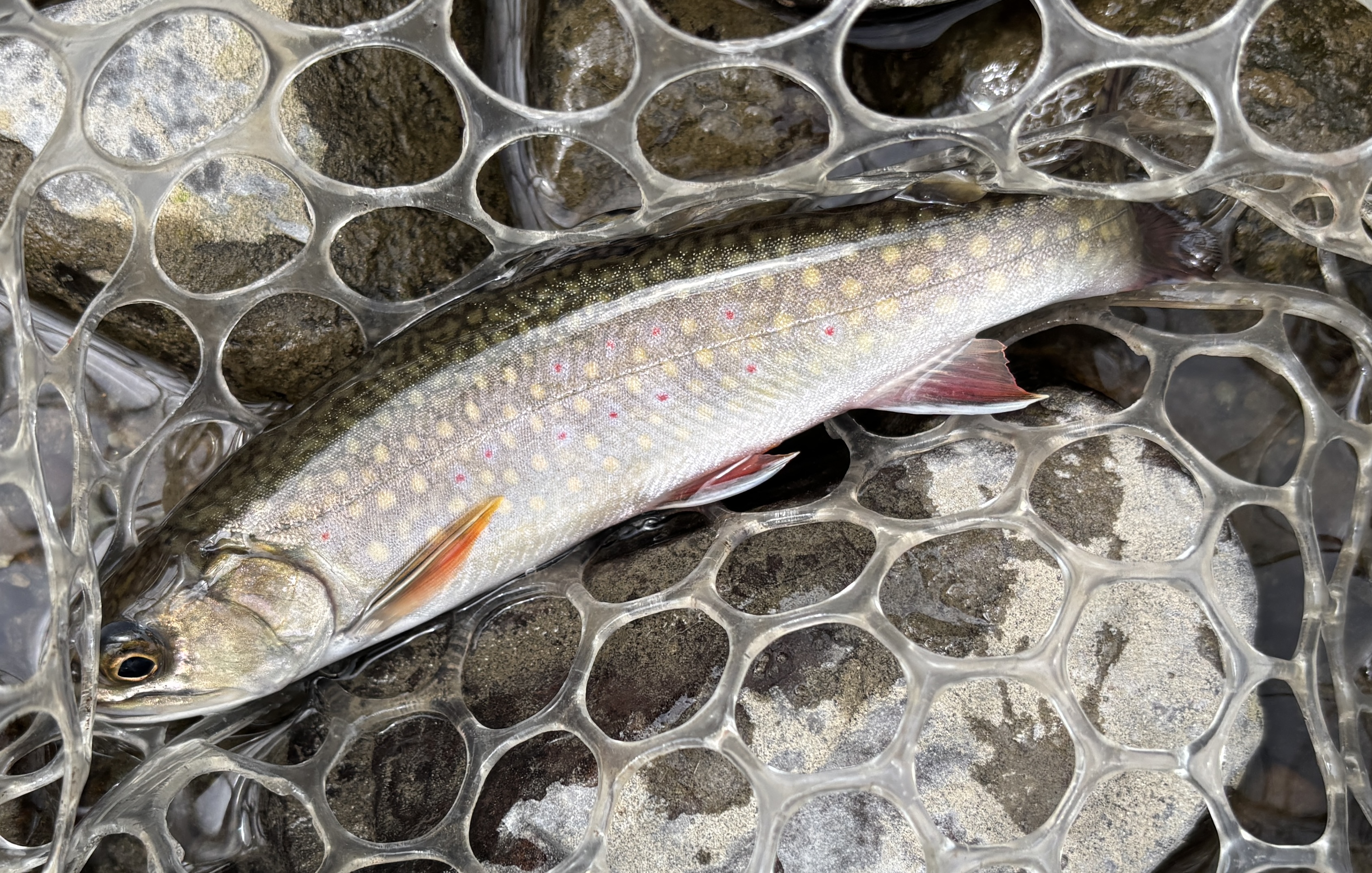
Brook Trout

I tried that lure a few more times but then lost it to a snag. I then switched to a small white in line spinner and that led to no bites and was also eventualy lost to a snag. Finally, I thought, ‘why not try a bobber and worm in the pool?’ I set it up, cast it out, and within a minute hooked another fish. I wasn’t sure what it was, so I posted it to iNaturalist, and the AI identified it as a Coastal Cutthroat Trout. That was exciting, since I had been trying all week to catch that endemic species. About an hour later, someone confirmed the ID on iNaturalist.

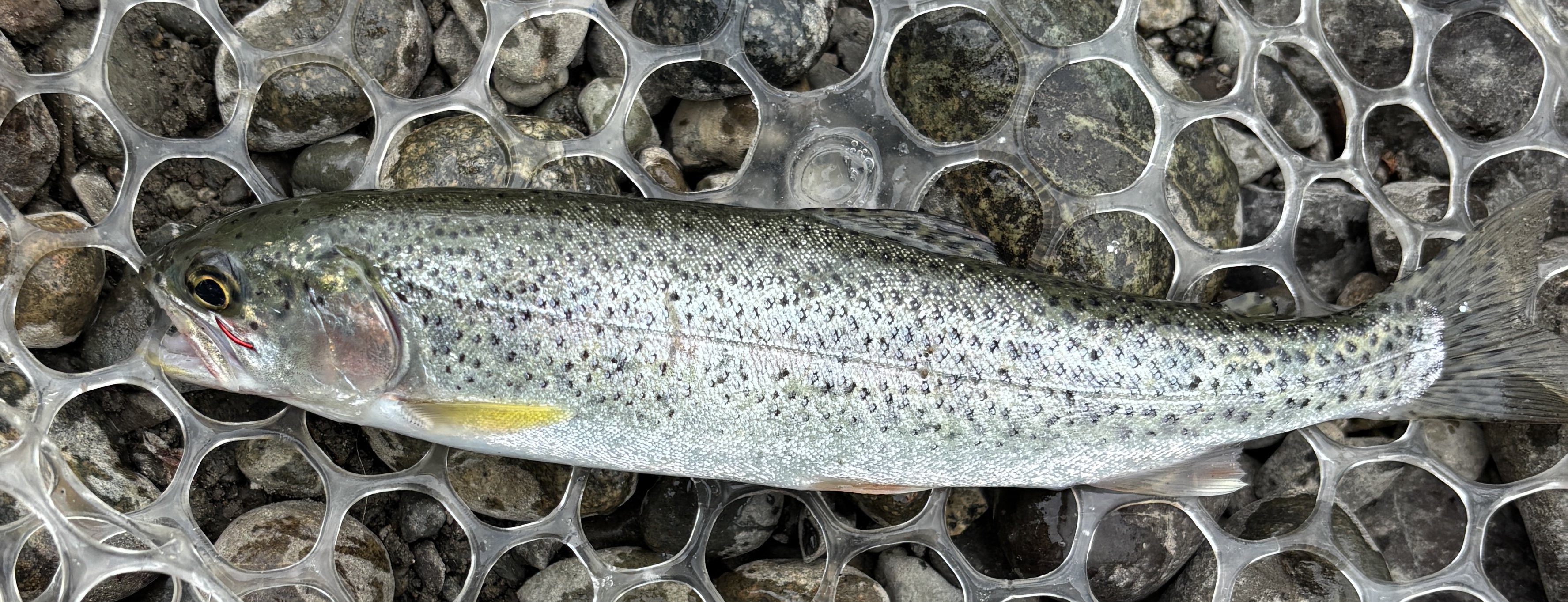
Coastal Cutthroat Trout


So, overall, a very successful morning—and my species count went up by two.

Territory covered for the day