Westport, Washington Fishing


I rented a VRBO in Westport, Washington for the weekend, hoping to catch some new saltwater species — surfperch, greenling, rockfish, and lingcod. There are three main places to target these fish from shore: the beach, the jetty, and the fishing pier.

I was joined by my son‑in‑law Luke, my daughter Meredith, and my grandchild for the weekend. Luke enjoys fishing, but as a Midwesterner I have zero saltwater experience, and he has only a little. On the drive to Westport we stopped at Bass Pro Shops to pick up rods, reels, and tackle suitable for saltwater. We learned about hi‑lo (drop) rigs, pyramid sinkers, and the basic gear we’d need to get started.

The weather was fairly nice — around 55–65°F, partly sunny, with a mild to moderate breeze. The fishing itself, though, was frustrating. Walking the riprap on the jetty was tiring and a bit risky for me at 67, especially since my balance isn’t what it used to be. Both Luke and I had zero bites and lost plenty of tackle to the rocks.

Later in the day I bought waders so I could walk into the surf and try for surfperch, but that didn’t produce anything either. Still, despite the lack of success, we enjoyed being outdoors, soaking up the sunshine, and learning the basics of shore‑based saltwater fishing. Hopefully the knowledge we picked up will pay off next time.

We still have tomorrow to fish, and we’re planning to try the Westport fishing pier in hopes of better luck.

Species #19: Yellow Perch

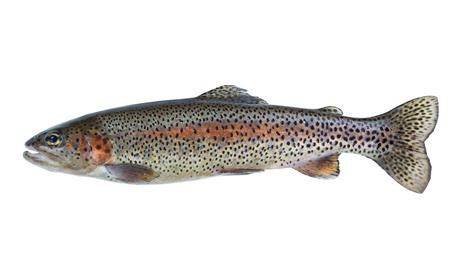
My goal today was to catch trout—coastal cutthroat and/or rainbow. I decided to try the Middle Fork of the Snoqualmie River. I got up at 4:40 a.m. and stopped by my son-in-law’s place to pick up some small swivels, hoping they would help with the line tangles I’ve been getting when using spinners.

I started at Pratt Bar on the Middle Fork but had no luck—no bites at all. Not ready to give up, I drove farther upstream and found a beautiful pool right off the road. I followed the advice I’d been given: casting upstream at about a 45-degree angle, using small Mepps and Rooster Tail lures (including a brown trout pattern), and targeting likely spots behind boulders, in pools, and along seams. Unfortunately, nothing worked at either location, and after a couple of hours I decided to move on.

Next, I headed west to Beaver Lake in Sammamish, which supposedly has abundant rainbow trout from stocking in 2024 and 2025. After 45 minutes without a bite, I struck out there as well.

I really dislike days when I don’t catch any fish, so I tried to salvage the outing by changing locations. I looked for places where I might at least catch a new species and settled on two options: the Lake Washington T-dock, where yellow perch are possible, and the Carp Pond at the Union Bay Natural Area near the University of Washington.

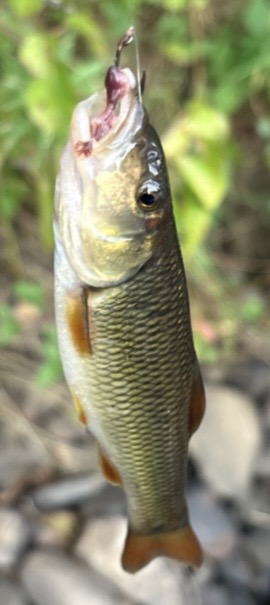
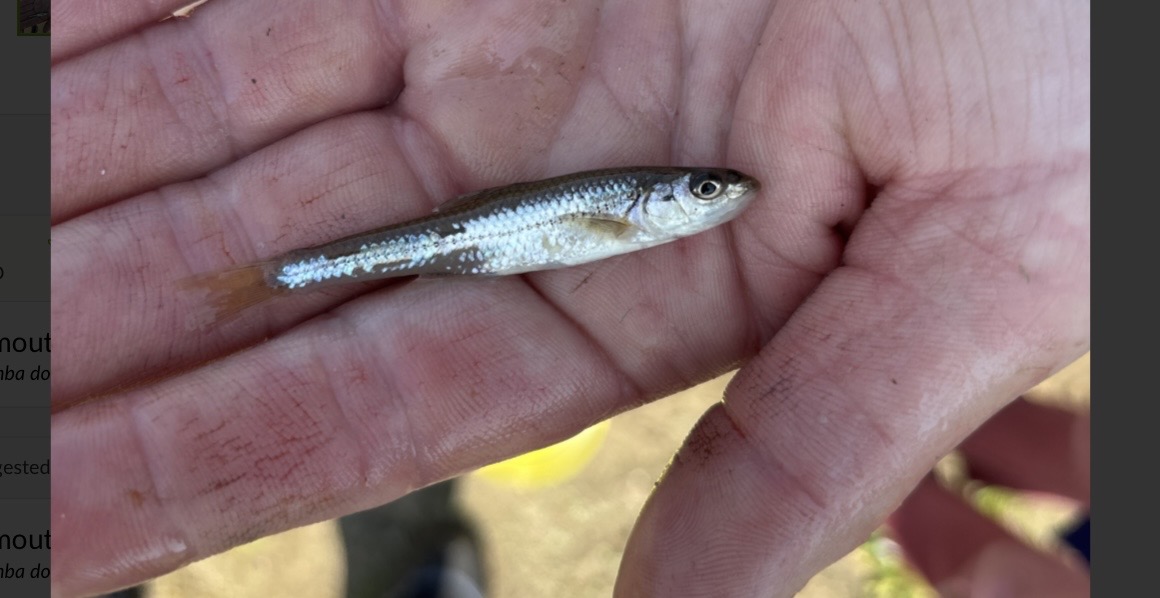
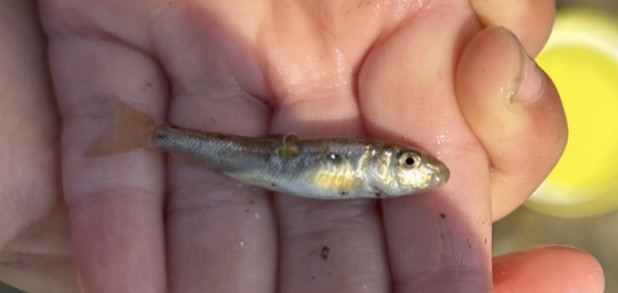
Fortunately, things finally started to turn at the T-pier. I started with a small Mepps lure but again had no success. I switched to a simple bobber-and-worm setup, and that made the difference. I caught a Yellow Perch (Perca flavescens)—my first—then another, and then a couple of pumpkinseed.

Yellow Perch

After that, I headed to the Carp Pond and tried for carp using a bottom rig (size 6 hook with sweet corn and a small split shot). A couple of college students there said they had caught a small bullhead that day but no carp, although they had caught carp there before. I didn’t get any bites and gave up after about an hour.

I finished the day along the shore of Lake Washington and caught a couple more bluegill and a few pumpkinseed sunfish.

In the end, even though it was a challenging day, I did end up catching a new species—the yellow perch.

Fish Caught by Family

Below is a running list of the fish I have caught, organized by family. Not surprisingly, the sunfish family makes up the largest share so far.

Centrarchidae (Sunfish family): 9 species

  • Bluegill
  • Green sunfish
  • Pumpkinseed
  • Rock bass
  • Largemouth bass
  • Smallmouth bass
  • Alabama bass
  • Black crappie
  • White crappie

Moronidae (Temperate bass family): 3 species

  • White bass
  • Wiper
  • Yellow bass

Ictaluridae (North American freshwater catfish family): 2 species

  • Yellow bullhead
  • Channel catfish

Clupeidae: 1 species

American gizzard shad

Esocidae (Pike family): 1 species

Northern pike

Percidae (Perch family): 1 species

Yellow Perch

Salmonidae (Trout, salmon, char, etc.): 1 species

Salmon spp.

Sciaenidae (Drum/Croaker family): 1 species

  • Freshwater drum

Species #18: Pumpkinseed

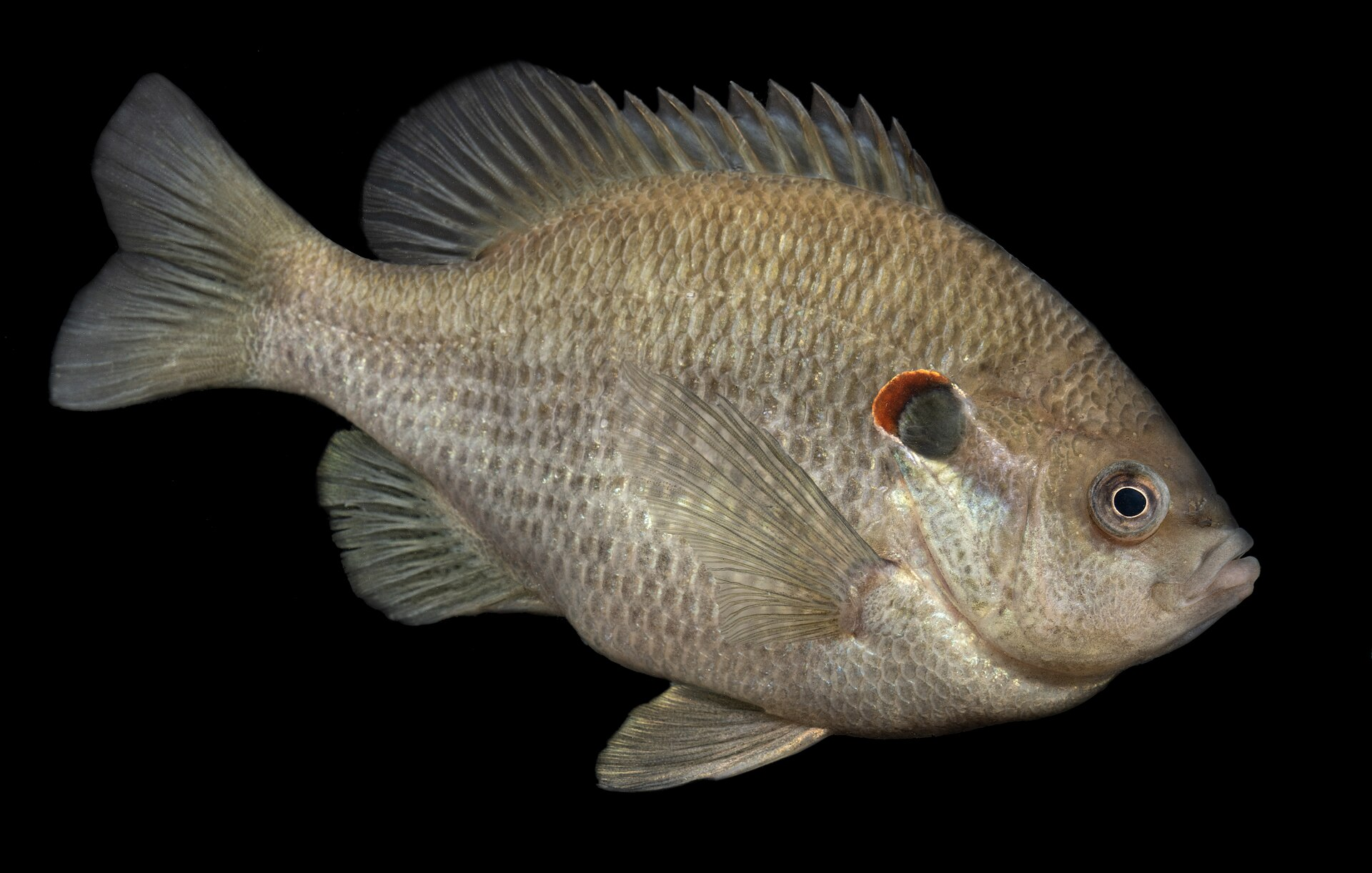
My goal today was to target the Pumpkinseed sunfish. A little research suggested that although Pumpkinseed are not native to the Pacific Northwest, they are common in lakes throughout the region.

My son-in-law Luke, my daughter Meredith, and my grandchildren Nora and Henry—who all enjoy fishing—joined me. We all live in North Bend, Washington, with Meredith and her family just two miles from my second home.

We decided to start at a small lake called Borst Lake, just north of Snoqualmie. Pumpkinseed are said to be easily caught with a simple bobber and worm setup. Borst Lake looked promising, but after about 45 minutes without a single bite, we gave up.

We then considered other options. After a bit of internet searching, Meredith found Lake Alice, a couple of miles south of Fall City, so we headed there. It turned out to be a small but very clean lake, surrounded by beautiful homes. I felt optimistic.

I set up a small bobber, a size 8 hook, and a piece of worm, casting toward some docks and boats about 30 feet away. It wasn’t long before the bobber dipped under. I reeled in a small sunfish which, to my delight, turned out to be a Pumpkinseed—mission accomplished!

The fish was quite small, easily fitting into my son-in-law’s palm, and had the characteristic red rim at the end of its opercular flap. I posted a picture to iNaturalist, which confirmed the identification. We stayed a little longer and Meredith, Nora, and Henry all caught a Pumpkinseed. Luke and I also tried to catch largemouth bass but were unsuccessful.

I now have four sunfish species to my credit: Bluegill, Green Sunfish, Pumpkinseed and Rock Bass.

Species #16 and 17: Salmon spp. and Rock Bass

I’m spending several weeks in North Bend, Washington and had been looking forward to catching some Pacific Northwest fish. Since I didn’t bring any gear from my home in Rochester, Minnesota, the trip started with a bit of a scramble. The options in Issaquah were surprisingly limited, so I drove into Seattle and found everything I needed at Outdoor Emporium, a large, old-school store just south of downtown. A new rod, an extra reel (insurance against tangles), and a selection of lures later, I was ready—along with a Washington fishing license that turned out to be more than twice the cost of a Minnesota license.

For my first outing, I headed to Lake Sammamish, about 35 minutes from my townhouse. The lake lies roughly 10 miles east of Seattle and stretches from Issaquah to Redmond. Much of the shoreline is lined with homes, limiting access, but Lake Sammamish State Park provides a good public entry point.

I had planned to start fishing around 5:00 a.m., just before sunrise. Despite getting up at 4:30, I didn’t arrive until sometime after 6:00, already behind schedule. I set up at Sammamish Landing Park on the northeast side of the lake and began casting a small silver-and-blue Kastmaster spoon from the pier. The water was lively with small fish breaking the surface, which felt promising.

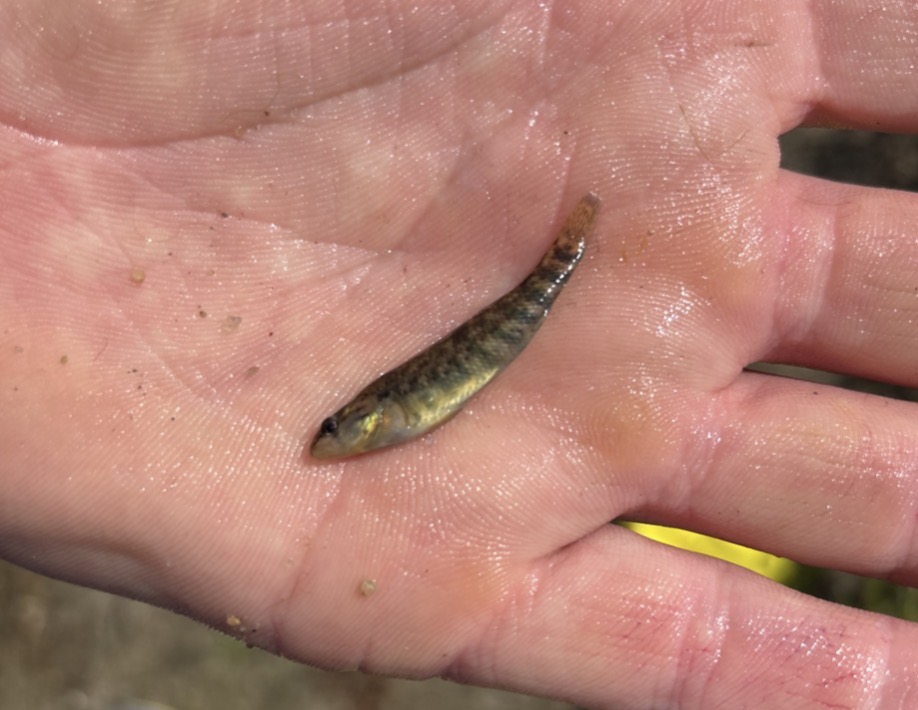
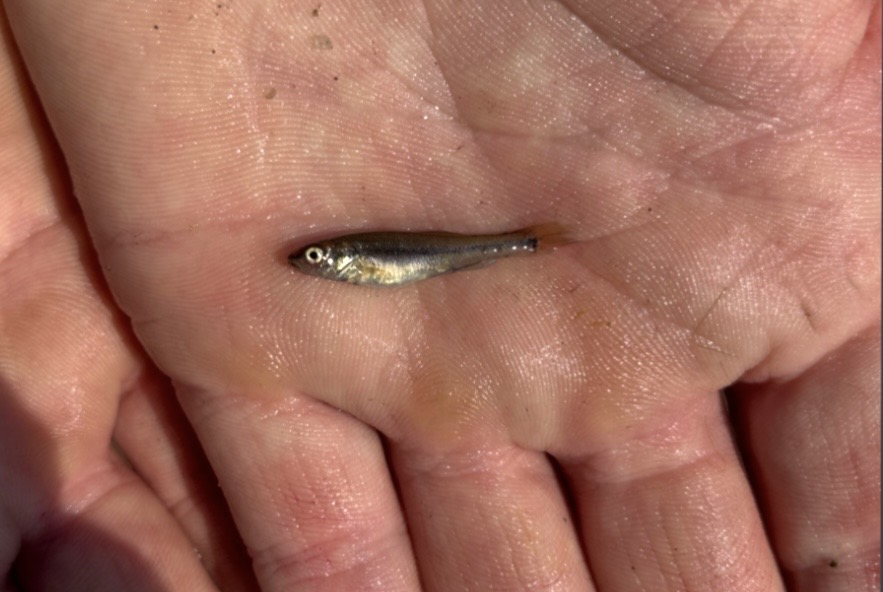
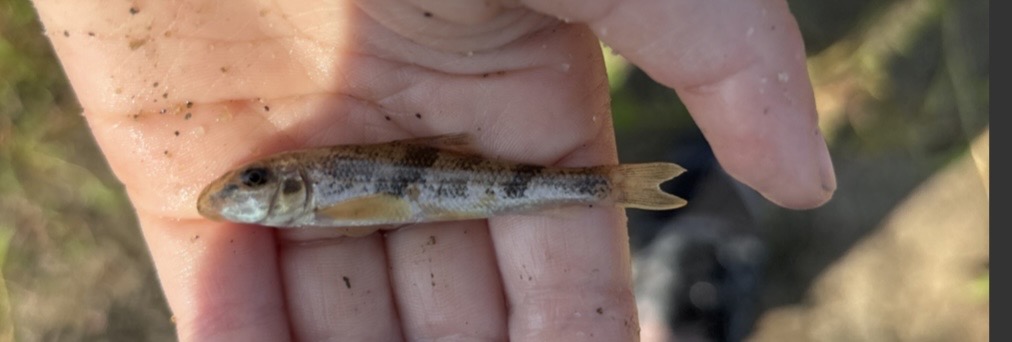
Before long, I hooked something—but not what I expected. It was tiny, only about 3–4 inches long. iNaturalist identified it as a Coho Salmon (Oncorhynchus kisutch), and one user agreed, making it “Research Grade,” though I remain a bit skeptical. Based on the size and what’s typically found in Lake Sammamish, it was more likely a juvenile Kokanee Salmon (Oncorhynchus nerka), the landlocked form of Sockeye Salmon. I soon caught a second fish of nearly identical size, which made it clear that the surface activity was likely a school of young salmon.

Salmon spp.

It was interesting to see salmon at that stage. I tend to think of salmon as large, powerful fish, but of course they begin life much smaller. These were likely in the parr stage—essentially “teenage” salmon. For Kokanee, that stage occurs entirely in freshwater, and unlike ocean-going Sockeye, they remain relatively small even as adults. Seeing them at this size offered a glimpse into a part of their life cycle that most people never notice.

After fishing until about 8:00 a.m. without catching larger fish, I decided to change tactics and headed to the south end of the lake to look for Yellow Perch (Perca flavescens) and Pumpkinseed (Lepomis gibbosus) . I tried microjigs and worms along the shoreline without success, then switched to a simple bobber-and-worm setup near shoreline vegetation.

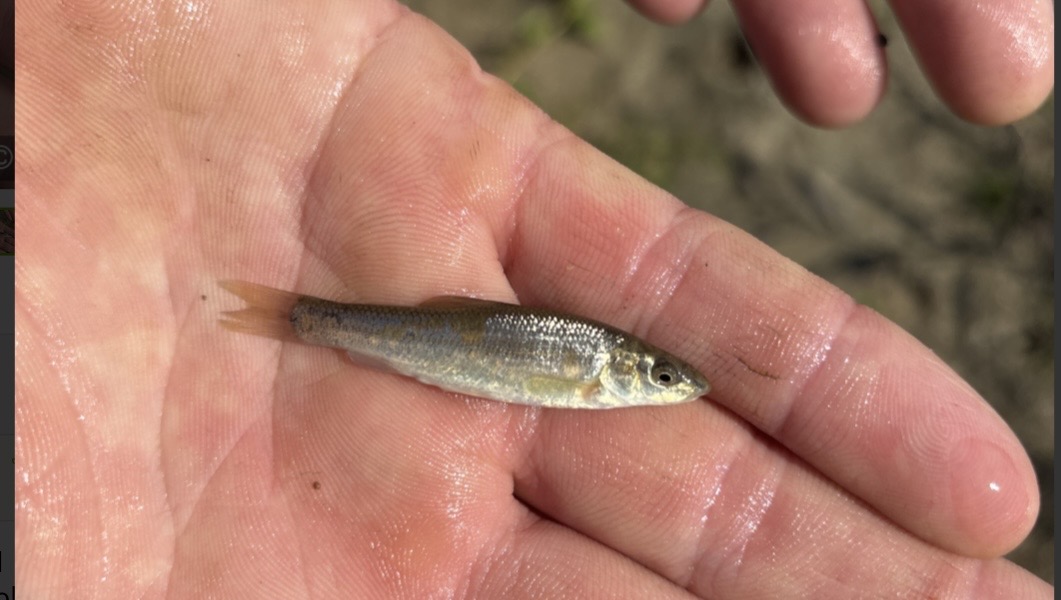
This time, the bite was decisive. The bobber went under, and I landed a fish with striking red eyes that immediately made me think of Rock Bass (Ambloplites rupestris)—a species I had unsuccessfully tried to catch just two days earlier in the Mississippi River. iNaturalist confirmed the identification, and two users agreed. That was surprising, since Rock Bass are not native to this region, but a bit of digging showed they do occasionally appear in Lake Sammamish and nearby Lake Washington. Incidentally, they really should be called Rock Sunfish and not Rock Bass since they are in the sunfish family.

Rock Bass

In the end, it was not the day I had planned—which, in fishing, is often how things go. I set out looking for trout and typical lake species and instead found juvenile salmon and an unexpected Rock Bass. But I added two new species to my list and, more importantly, learned something along the way. Given the uncertainty in identifying the salmon, I’ll simply record it as Salmon spp. for now and see whether further expertise clarifies things later.

Species #15: Largemouth Bass

Itching to catch another fish species, I figured the highest probability for my next species in Olmsted County would be Largemouth Bass (Micropterus nigricans), so I headed to Chester Woods County Park.

After doing some research, I learned that plastic worms—especially lightly colored Senko-style worms rigged wacky—were a good option. I got up early at 5 a.m., but once I arrived, I realized I didn’t have the recommended setup. Instead, all I had were bright orange plastic worms.

I decided to give them a try anyway… and promptly got one stuck in a tree.

Next, I switched to a modest-sized Rapala rattling lure and started casting from the fishing pier. On the second cast, I hooked into a fish. It put up a decent fight—not huge, but strong enough to be fun. I was happy to see it was a Largemouth Bass, a new species for my list.

Largemouth Bass

I expect I’ll catch much bigger ones as the summer goes on.

I fished for about 45 minutes after that, trying a variety of lures, but didn’t get any more bites. Eventually, I had to head out for work.

Species #14: Northern Pike

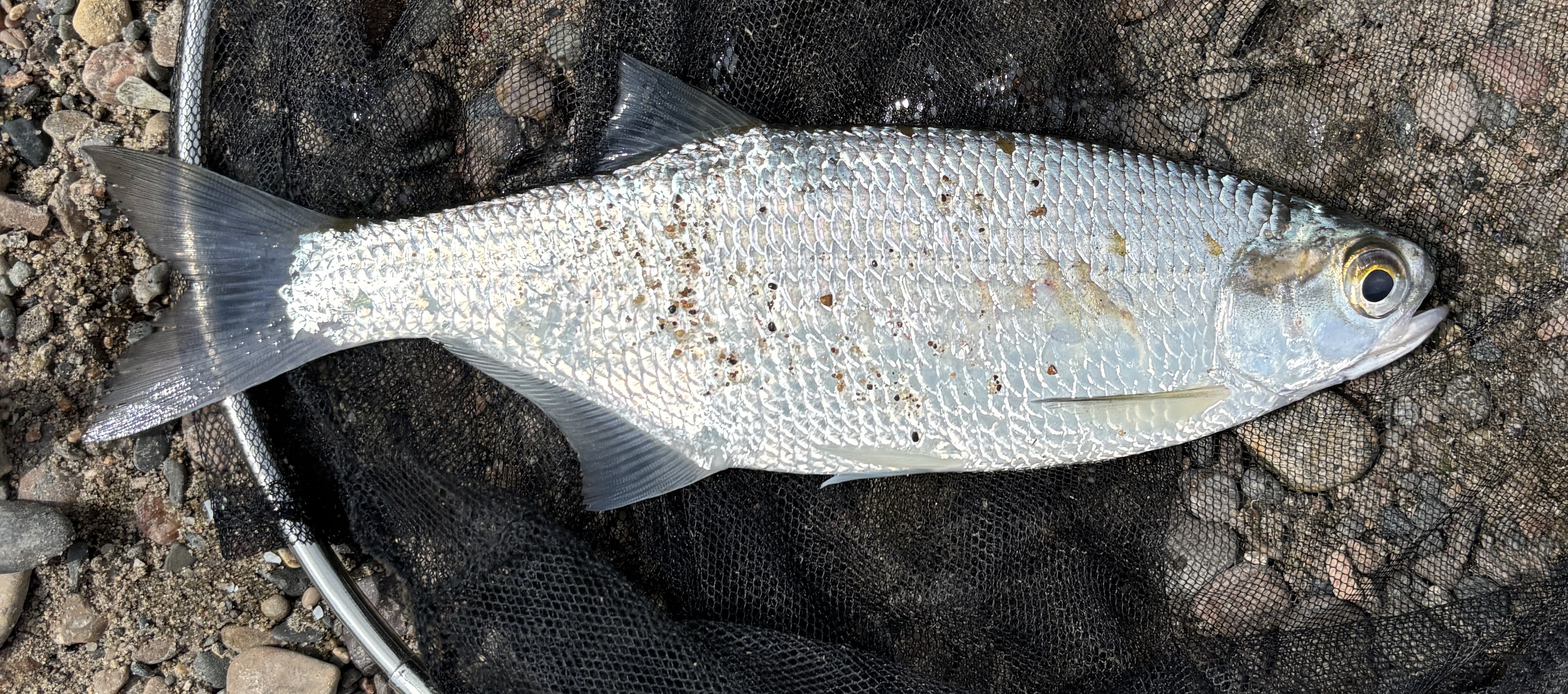
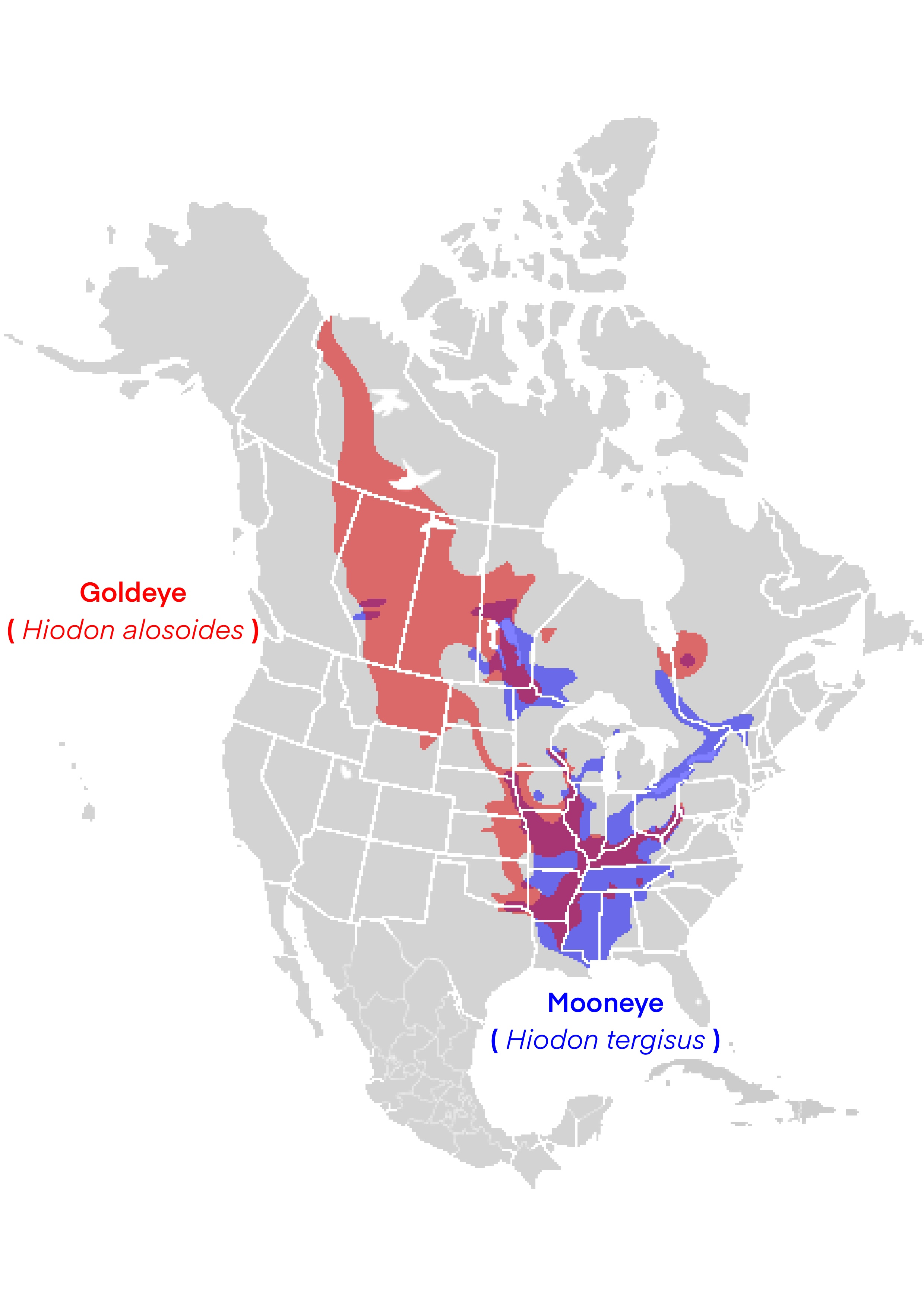
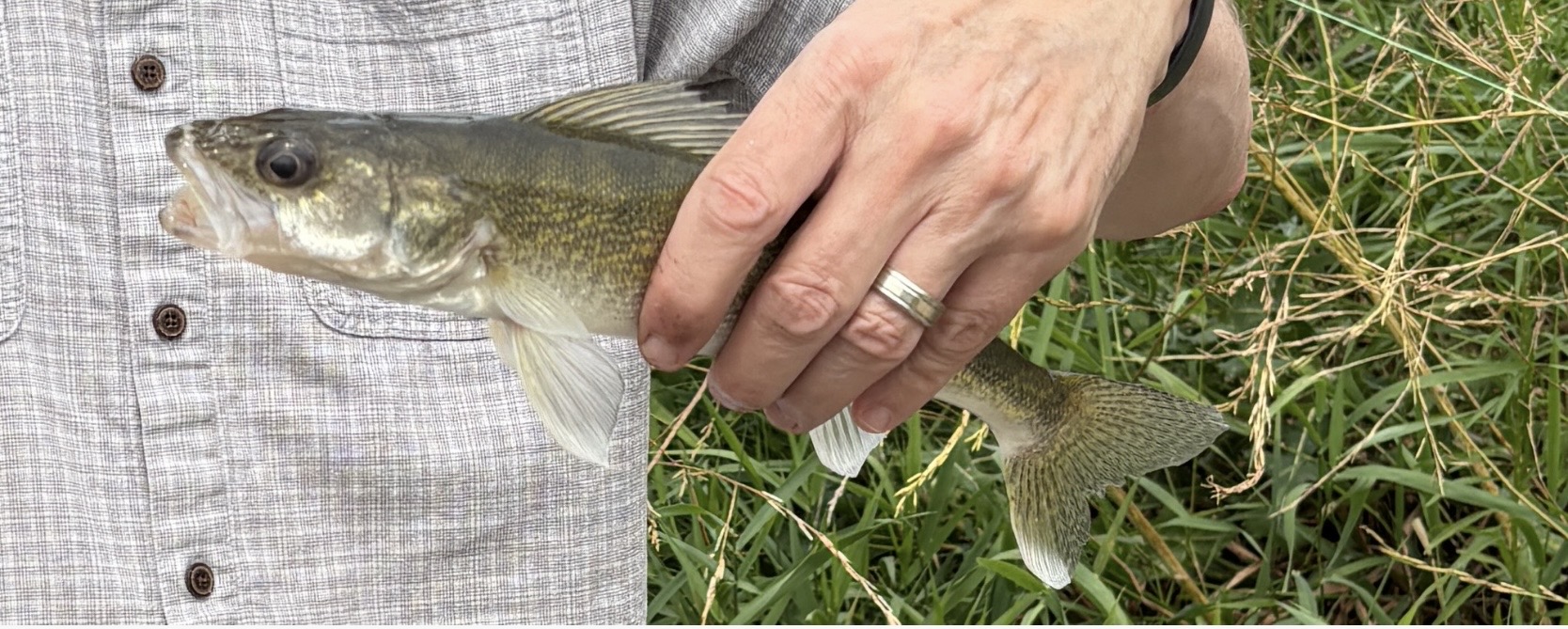
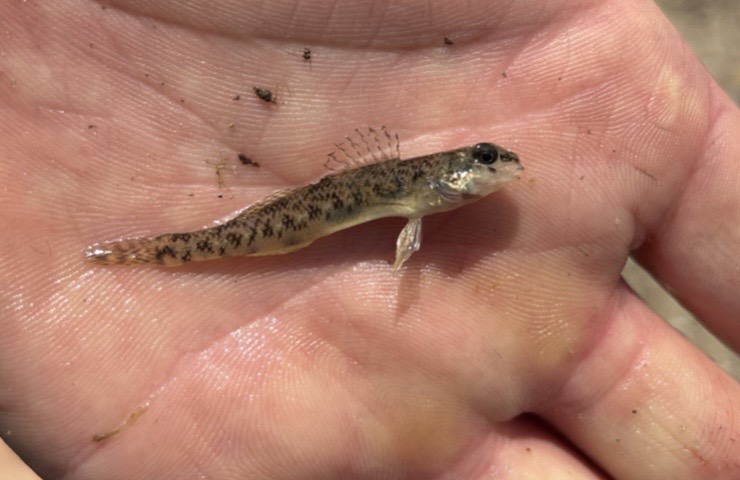
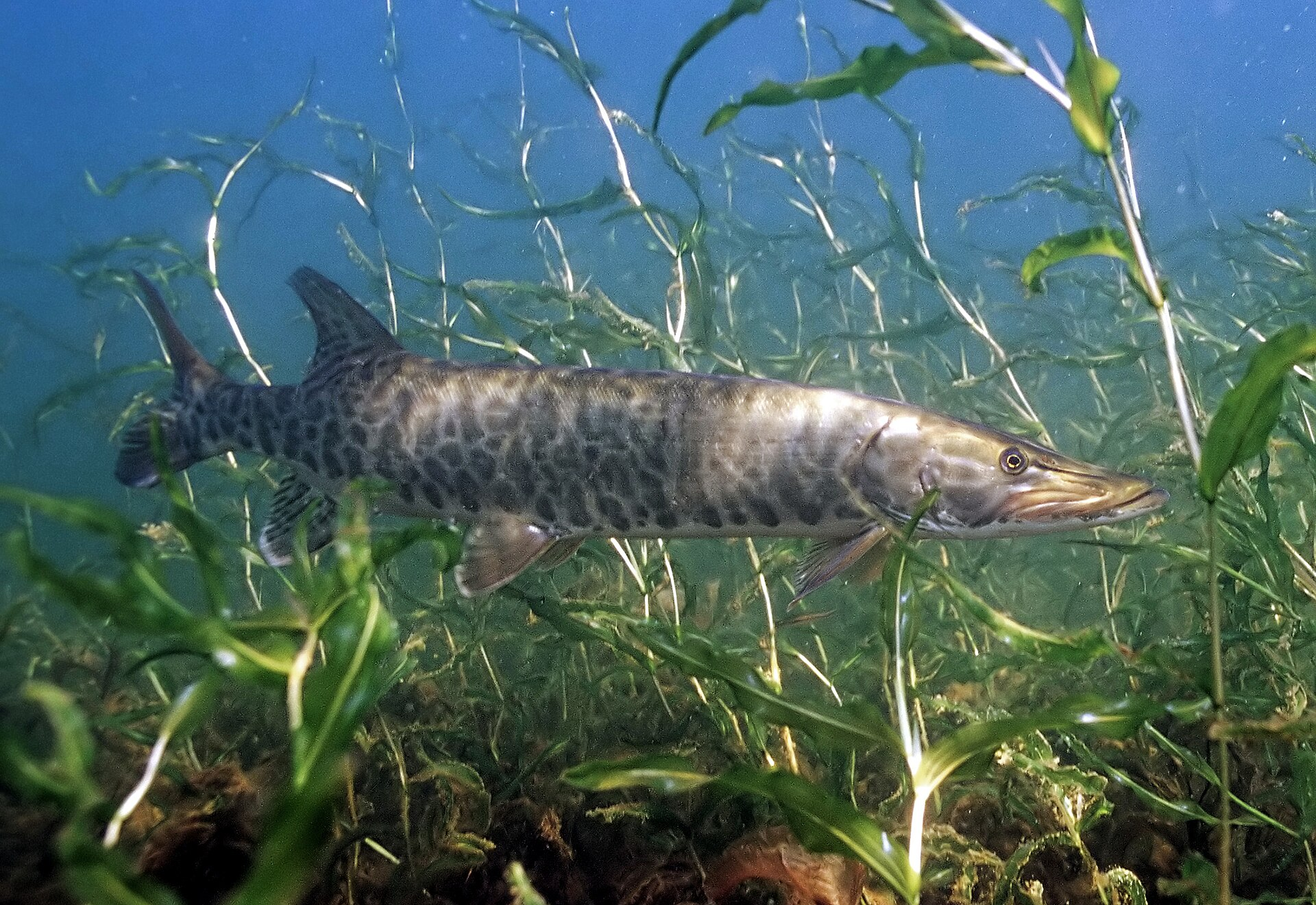
Today I set out hoping to add several new species to my list. I was targeting nine possibilities: Rock Bass, Pumpkinseed, Yellow Perch, Largemouth Bass, Carp, Brown and Black Bullhead, Mooneye, and Goldeye. Ironically, I caught none of those—but I did add a new species, and a fun one at that: the Northern Pike.

My plan was to leave Rochester early and fish multiple locations around Winona and Lake City, essentially making a loop between the three cities. The total distance for the day was about 135 miles: 56 miles from Rochester to Winona, roughly 45 miles along the Mississippi River from Winona to Lake City, and 34 miles back to Rochester.

I got up very early and decided to clean out and organize my tackle box—which had become a mess and even smelled a bit unpleasant. I’d accumulated a surprising amount of lures and tackle over the past month, and it took nearly an hour to sort through everything. Still, it felt like a good, productive start to the day.

I left for Winona around 8:00 a.m. When I arrived, my first stop was Fleet Farm to pick up some nightcrawlers. From there I headed to McNally Landing on the Mississippi River and fished for about 15 minutes without success. I then tried the tailwaters below Lock and Dam #5 for another 30 minutes, but again had no bites.

Next, I decided to head into Winona to fish Winona Lake, mainly targeting Pumpkinseed Sunfish. However, while driving along Prairie Island Road, I noticed a slough off the road that looked like prime Largemouth Bass habitat. I parked, walked down a short hill, and gave it a try.

The slough turned out to be a side channel of the Mississippi River—shallow, muddy, with no noticeable current, and filled with vegetation and fallen logs. Since it was early May, I could fish there comfortably without being overwhelmed by insects. I tied on a relatively small Rapala crankbait and started casting toward the submerged logs, which I’ve always heard are good holding spots for bass and other fish.

After only a few casts, I felt a strong bite, followed by a surprisingly long and powerful fight. To my surprise, it wasn’t a bass—it was a Northern Pike. Unfortunately, just as I got it to shore, it thrashed hard and escaped back into the water. That was a big disappointment, since Northern Pike was a species I still needed for my 100‑species list.

I remembered that using a wire leader with a snap is a good idea when pike are around, to prevent them from biting through the line. I rigged one up, attached a Rapala diving crankbait, and went back to work. About ten casts later, I hooked another Northern Pike.

This time, I landed it successfully and carefully carried it—still on the line—about 20 feet away from shore so I could unhook it and get a quick photo. I was able to measure it as well. It was a relatively small pike, clearly smaller than the one that escaped, measuring 15 inches in length. I tried weighing it with a Rapala scale, but it didn’t register—probably because the fish was too light for the scale. A reasonable estimate would be about 1.5–2.0 pounds.

Northern Pike

I fished the slough for another 30 minutes but didn’t get any more bites. From there, I headed to Winona Lake to try again for Pumpkinseed Sunfish. I set up a simple bobber-and-worm rig, but surprisingly got zero bites.

After that, I started driving toward Lake City, stopping for lunch at Reads Landing Brewing Company, about five miles southeast of Lake City. I had a solid burger and one of their home‑brewed beers, which happened to be brewed in Rochester.

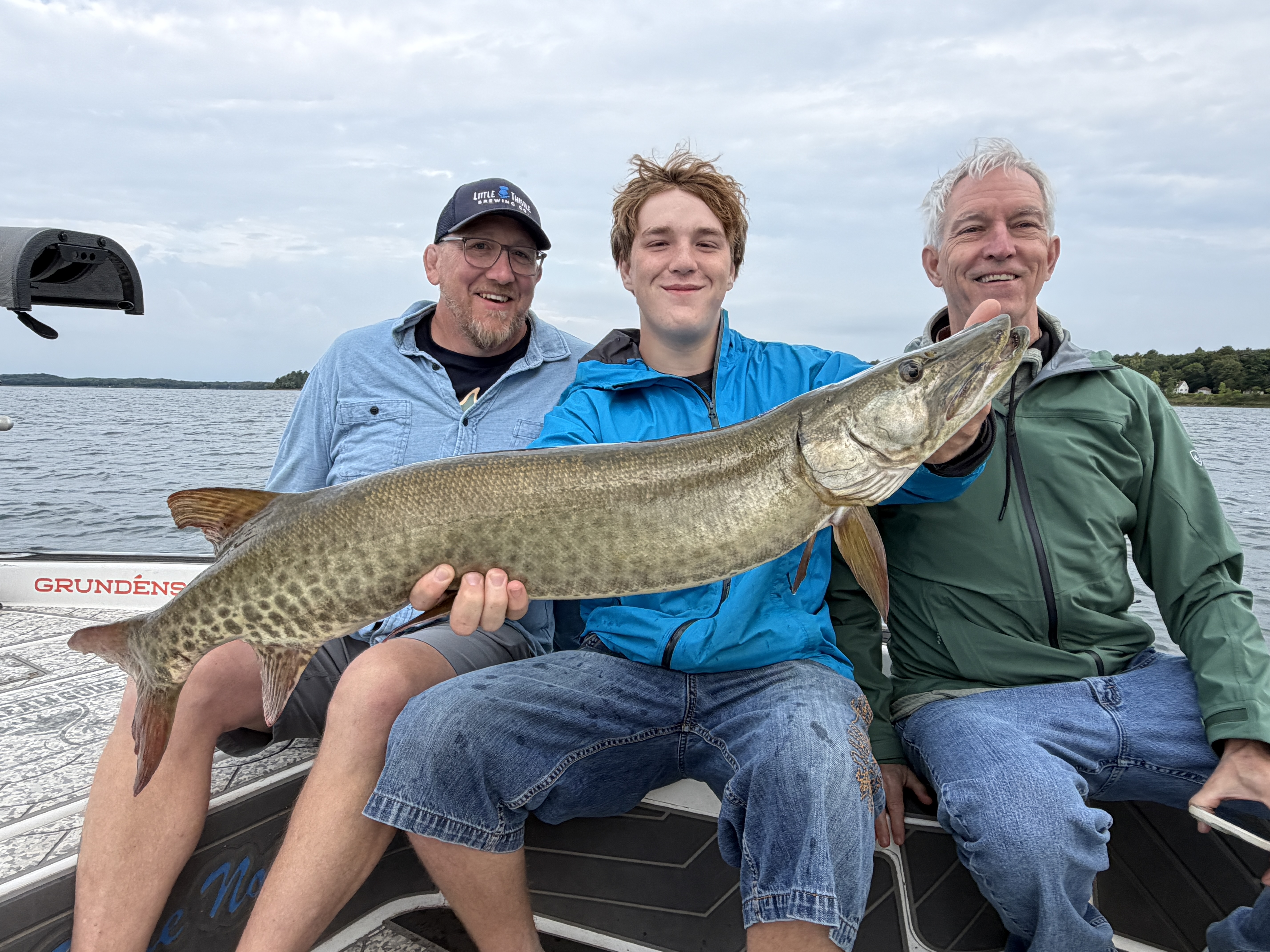
My final stop of the day was Lake City, located on Lake Pepin, where I was hoping to catch a Rock Bass. The conditions weren’t ideal—it was very breezy and mostly sunny—and I think that largely shut down the bite. Even so, I did manage to land a Freshwater Drum using a small jig with pink feathers and a worm, fishing it vertically by jigging. The drum measured about 16 inches, roughly the same size as one I had caught the week before at Coralville Lake near Iowa City, and likely weighed around 2.5–3.0 pounds.

Freshwater Drum (Lake Pepin)
Freshwater Drum

In the end, I caught three fish representing two species. While it wasn’t a numbers day, adding the Northern Pike as a new species made the trip well worth it—and left me very satisfied.

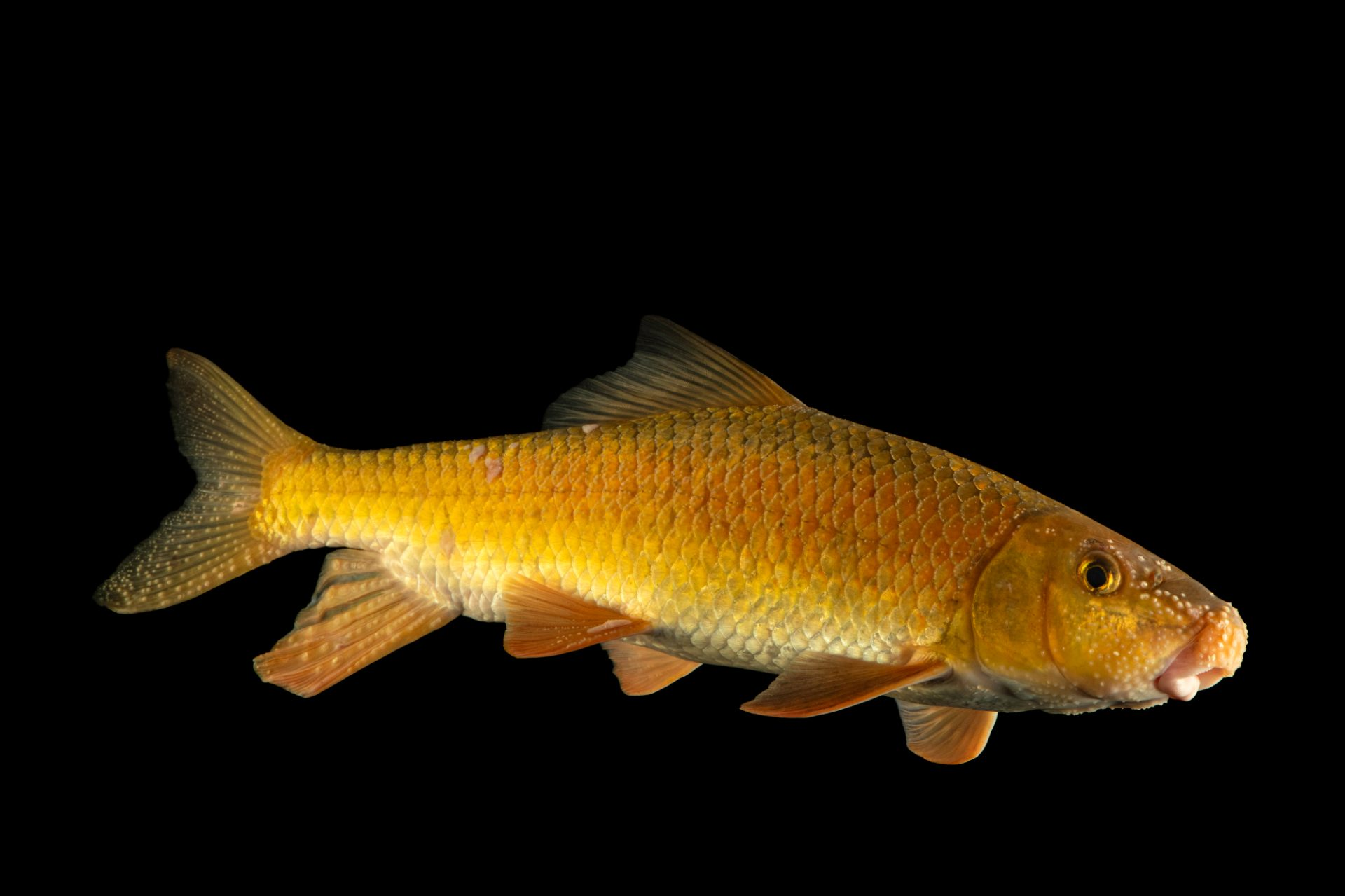
Species #13: Yellow Bullhead

I decided that my next target species would be bullheads, since they should be fairly easy to catch in Olmsted County at this time of year. A little research suggested that the best way to catch them is with a bottom rig consisting of an egg sinker, bead, swivel, leader, a fairly large hook (#4 to #1), and a nightcrawler.

Several local lakes are often mentioned as good bullhead water, including Willow Creek Reservoir, Chester Woods Reservoir, and Silver Creek Reservoir. The consensus is that the best time to fish for bullheads is in the evening, especially as the sun sets.

Willow Creek Reservoir

I headed to Willow Creek Reservoir at about 6:00 pm. I started fishing with the recommended bottom rig, but all I caught was bluegill after bluegill. As sunset approached (8:21 pm), I eventually landed a Yellow Bullhead from the fishing pier—my only one of the night.

See below for the photos. They’re not the greatest, since they were taken after dark with the flash on my iPhone.

Yellow Bullhead
Yellow Bullhead

The Unexpected Solution

The funny thing is how I finally caught the bullhead.

It wasn’t on a proper bottom rig at all—but on a chunk of nightcrawler attached to a spinnerbait. A spinnerbait is definitely not intended for catching bullheads. It’s generally a bass lure. But in this case, it worked perfectly because it solved two problems at once: it got the bait to the bottom and prevented bluegill from stealing the worm.

By the time I thought of trying a bottom rig again, the sun was going down and I was running out of daylight. I figured, what the heck—let’s see if this moderately heavy spinnerbait can deliver the worm to the bottom and keep the bluegill off the hook. And sure enough, it worked.

I was a little surprised that the bullhead didn’t put up a huge fight, even though it was a decent-sized fish. I didn’t measure it, but I’d estimate it was around 15 inches long.

Turning a Bass Lure into a Bullhead Rig

A spinnerbait is designed to be cast and retrieved, vibrating, flashing, and moving through open water. I did the exact opposite.

I dropped it straight down with a nightcrawler, let it sink, and let it sit on the bottom—essentially using it as a weight. And for bullheads, that’s perfect. They don’t care about vibration or flash. They care about:

  • scent
  • bottom contact
  • a worm sitting still

The spinnerbait’s head did everything my earlier rigs couldn’t. It punched through weeds, kept the worm pinned to the mud, got the bait down quickly, and was simply too big for bluegill to mess with. It also solved my practical problems: limited time, fading light, weeds, and bait‑stealing panfish.

I’m told the bite felt soft at first because bullheads often “taste” the bait before committing—and that seems exactly right in this case.

What’s Next

So now I’ve got a Yellow Bullhead checked off my species list. Catching Black and Brown Bullheads in the future should feel a little less complicated—although next time I’ll try to use a proper rig rather than a completely jimmy‑rigged‑spinnerbait-and‑worm combo 🙂

Species #11 and 12: Wiper and Freshwater Drum

I left Atlanta yesterday morning to head home, with a hotel booked in St. Charles, Missouri. On the way out of town, I stopped to fish several spots at Red Top Mountain State Park just north of Atlanta. Despite the beautiful weather, I had absolutely no bites anywhere, which made the day disappointing from a fishing perspective.

Today more than made up for it.

I left St. Charles around 8 a.m. and drove north into Iowa to buy a one‑day fishing license and fish Coralville Lake just north of Iowa City. My plan was to fish both below the dam in the tailwaters and then above the dam.

I started below the Coralville Dam Spillway. It had been sprinkling before I arrived, so I stopped at Scheel’s and bought a raincoat. Naturally, that ended the rain completely. Once I began fishing, there was no drizzle at all. The sun came and went, it was about 55°F, and a breeze made it feel a little chilly.

Roughly five to ten people were fishing along the shore of the tailwaters, along with about five American White Pelicans. One of the pleasures of fishing is that it forces you to slow down and notice things, and watching the somewhat comical pelicans was a highlight. They are enormous birds, with wingspans approaching nine feet. Their bodies are brilliant white with black flight feathers, and their bright orange legs and feet are especially noticeable when they take off, which they did periodically as they moved upstream and downstream searching for fish.

The water pours forcefully out of the base of the dam, creating a very strong current for roughly an eighth of a mile downstream. I was targeting Largemouth Bass, first with a large chartreuse spinnerbait and then with a smaller orange chatterbait. I didn’t get a single bite and quickly lost the chatterbait to a snag.

In addition to the adults fishing, there was a group of about eight kids—probably around ten years old—fishing with literal sticks rigged with line, hooks, and bait that their chaperone was putting on for them. They were catching fish after fish. The fish were tiny, but the kids were thrilled, and it genuinely warmed my heart. At the same time, I was getting frustrated by the complete lack of bites on my end and briefly considered joining them in their panfish frenzy.

Instead, I tied on an approximately two‑inch gray swimbait with a red eye and retrieved it very slowly. Near shore, I got a strong bite. It took some effort to land the fish. At first glance, I thought it was a White Bass—already on my species list—and nearly skipped taking a photo. Thankfully, I decided to document it.

That was when my iPhone informed me that my photo storage was full. I ran back to my car, grabbed my iPad, and took a picture. When I uploaded it to iNaturalist, their AI identified it as a White Bass. Shortly afterward, an identifier with the handle flylinesardine disagreed, suggesting it was actually a Wiper. Another identifier, wes_inc, agreed that it was Wiper, elevating the observation to Research Grade.

I had only recently learned what a Wiper is while preparing for my 100‑fish adventure. A Wiper is a hybrid of a White Bass and a Striped Bass (sometimes referred to as a Striper), a cross that didn’t exist until the 1970s—so it’s not surprising that I initially misidentified it.

Wiper

After fishing a bit longer in the tailwaters with no additional bites, I moved to the top of the dam to fish the riprap along the face of the dam. Four college‑aged guys were fishing there as well. After about five casts with the same swimbait, I got another strong bite. It took about 20 seconds to land and was clearly a new species for me, though I didn’t know which one.

Once again, my iPhone refused to take photos, so I asked one of the guys—Cameron—if he could take pictures of me with the fish and of the fish alone and email them to me. He kindly did. When I posted the photos to iNaturalist, the AI identified the fish as a Freshwater Drum. Several identifiers agreed, making it another Research Grade observation.

Freshwater Drum
Freshwater Drum

Fishing often leads to easy conversations, and I asked Cameron how long he’d been fishing and whether he and his friends were in college. He told me they all attended the University of Iowa and that he’d been fishing since childhood.

As the sun dropped lower, the others left, and I had the dam mostly to myself. I stayed a while longer, no longer concerned about catching anything, enjoying the birds instead: Purple Martins and other swallows skimming the water, a small kettle of Turkey Vultures soaring overhead, and the onomatopoeic call of a Killdeer nearby.

After a few more casts, I called it quits. It had been a wonderful day.

Species #10: Alabama Bass

I spent some time researching Georgia fishing and got excited about the possibility of catching an endemic bass—the Shoal Bass—in the Chattahoochee River in northern Atlanta. A true river bass. That idea alone was motivating enough to push me into action.

The night before, I struggled to get my Georgia fishing license online. After some frustration, I finally completed the process around 11:30 pm.

I got up very early the next morning—around 5:30 am—with the goal of reaching the river by sunrise, which was at 6:53 am and supposedly the ideal time to fish for Shoal Bass. Unfortunately, between Atlanta traffic and my growing frustration over not having the recommended swimbait lures (which Copilot had suggested were effective for Shoal Bass), things didn’t go quite as planned.

I stopped first at a shop that was supposed to have lures but had only bait. Then I tried a Walmart, which unlike some Walmart’s I have been to, had a very poor fishing gear selection. In the end, I bought the one lure that looked remotely like a swimbait and headed to the Chattahoochee anyway, fishing along the Cochran Shoals River Trail.

I started fishing at about 8:00 am. I completely blanked—no Shoal Bass, no bites at all. It was also hard to find really good access points along the river, though I’m not convinced I would have caught anything even with better spots. That said, it was a beautiful morning, and I genuinely enjoyed walking along such a scenic stretch of river.

After no action, I gave up around 11:00 am and decided to head northeast to Lake Lanier in hopes of salvaging the day by catching something.

On the way, I stopped at a Bass Pro Shop in Lawrenceville. Wow. I had spent about ten minutes the night before watching a helpful YouTube video explaining different types of lures—swimbaits, crankbaits, spinnerbaits, spoons, and so on—which helped a little, but standing in the store surrounded by thousands of lures was still completely overwhelming. I grabbed a variety of lures somewhat haphazardly and wished I’d had more time to be more deliberate. Next time.

Lake Lanier is about 45 miles northeast of Atlanta. It was created in 1956 by damming the Chattahoochee River, with the Buford Dam constructed by the U.S. Army Corps of Engineers for flood control, hydroelectric power, water supply for metro Atlanta, and recreation. It’s a huge lake—about 38,000 acres, nearly 690 miles of shoreline, and a maximum depth of around 150 feet (average depth closer to 60). It’s also very beautiful.

The lake primarily contains Striped, Spotted, and Largemouth Bass, Black and White Crappie, Channel and Flathead Catfish, and Sunfish. I fished below the dam for about 30 minutes with no bites, then moved up to the main lake above the dam.

I threw a deep‑diving, colorful Rapala lure into the water repeatedly, and for a while it didn’t seem promising. But eventually I caught something. It was clearly a bass, though I wasn’t certain which kind. It wasn’t huge—probably around 12–14 inches—but I was excited nonetheless. When I later identified it using iNaturalist, it turned out to be an Alabama Bass—a new fish for me, and a satisfying way to end an otherwise challenging day.