I’d estimate that roughly three-quarters of the fish I’ve caught in my life have come on an earthworm, with the remainder taken on various lures. When lures aren’t producing and I simply want to catch something—anything—I’ll thread a worm onto a small hook under a bobber and, more often than not, end up happily holding a bluegill. In the past couple of months, I’ve also come to appreciate how effective worms can be on bottom rigs, particularly for benthic species like redhorse and suckers.
That reliability comes at a cost. It isn’t unusual for me to spend twenty dollars a week on nightcrawlers and red wigglers from local sporting goods stores. I tend to buy both, even though I usually end up cutting pieces from the larger nightcrawlers. The worms don’t last long. Within a day or two they begin to rot—or “necrose,” in pathology terms—and I start to worry about the smell taking over my car. I usually leave the container on top of the garage trash can and, only when I’m sure they’re dead, toss them into the backyard, though I’ve begun to question why I feel the need to wait.
That habit, and the expense, got me thinking about whether I could simply dig worms in my yard. The answer, unfortunately, is no—the soil is too dry and poor to support many. That realization brought back a memory from my childhood. My dad, an avid organic gardener, once raised worms in our basement in a large trash can. I can still picture what went into it: potting soil, shredded newspaper, and bits of lettuce and other kitchen scraps. At the time, it seemed like an odd project, but his goal wasn’t fishing. He was trying to improve the thin, dry soil of Hays, Kansas.
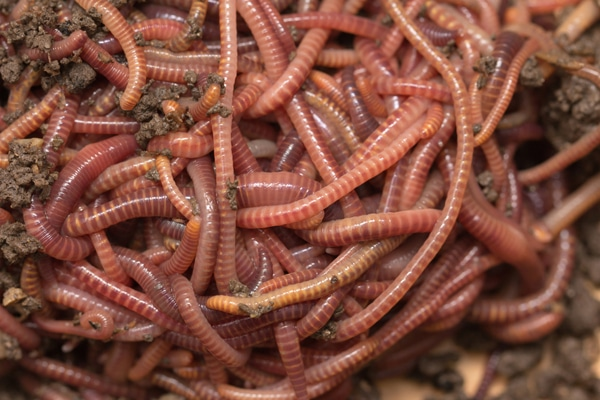
What he had set up was more sophisticated than I appreciated then. In effect, he had created a small, self-sustaining ecosystem. The shredded newspaper provided a light, breathable carbon source, while the potting soil gave the worms structure and grit for burrowing. The food scraps broke down steadily, feeding not only the worms but the entire microbial community that supported them. In the cool, dark environment of the bin, the worms thrived and multiplied.
His real objective lay outside the basement. The soils around Hays tended to be clay-heavy, low in organic matter, and prone to compaction, with a pale, almost lifeless appearance. By adding both compost and worms, he gradually transformed that ground. The worms tunneled through the soil, aerating it and improving water infiltration, while pulling organic material downward and leaving behind nutrient-rich castings. At the same time, the compost contributed carbon and nitrogen and improved the soil’s structure. Over time, the tight, light-colored soil gave way to the dark, crumbly loam I remember from his garden. Looking back, it’s clear that he was practicing a kind of long-term soil restoration decades before “regenerative gardening” became a popular term.
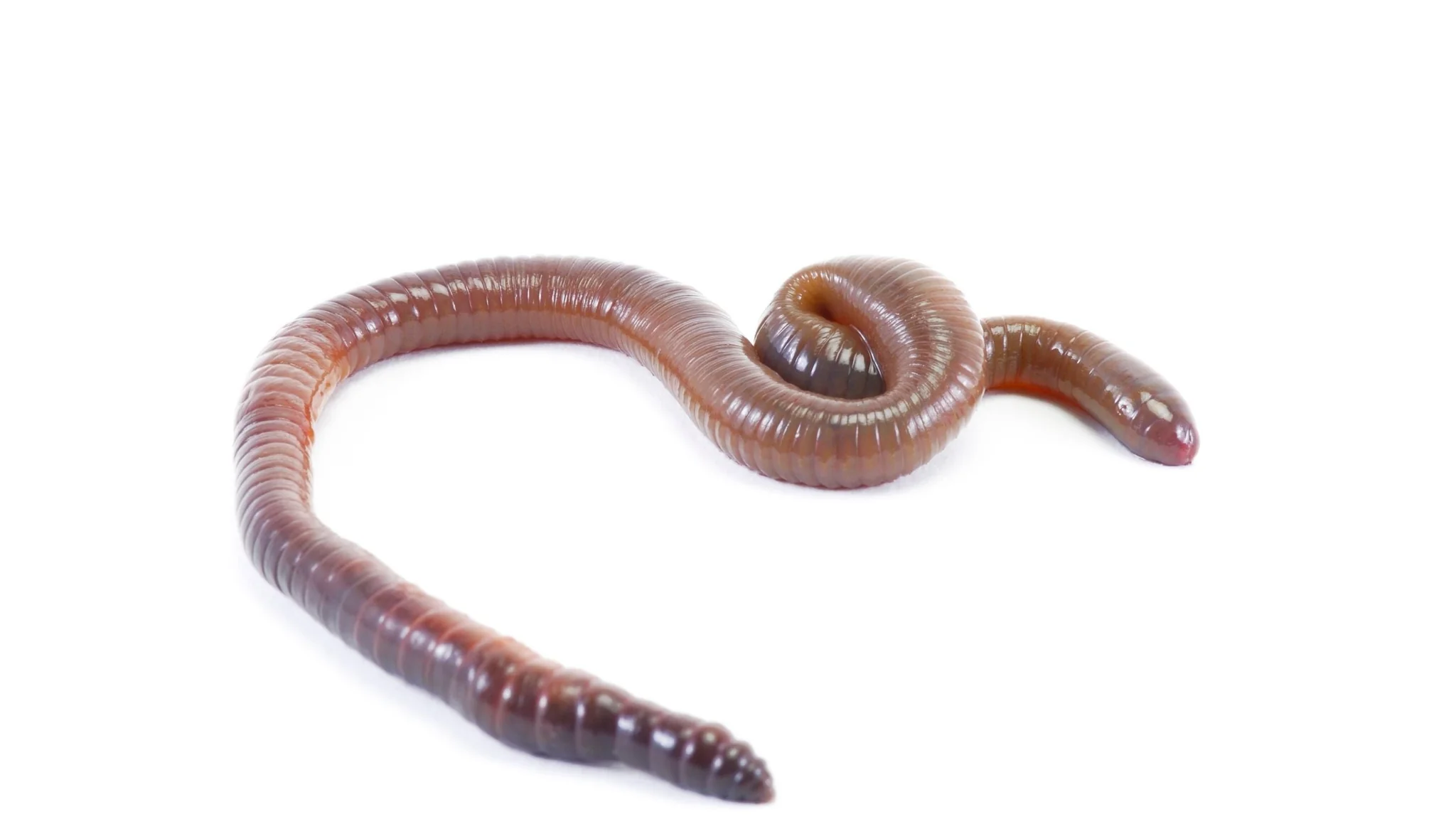
At the time, I didn’t connect any of this with fishing, but in retrospect it ties directly to the bait I rely on so heavily. Not all worms are the same, and the differences matter. European nightcrawlers (Dendrobaena hortensis) occupy a kind of middle ground: hardy, active on the hook, and versatile enough to catch everything from panfish and trout to bass, walleye, and catfish. Red wigglers (Eisenia fetida) are smaller and reproduce quickly, which is part of what made them so useful in systems like the one my dad maintained; as bait, they excel for panfish and trout, though their size makes them less appealing for larger fish unless used in multiples. Canadian nightcrawlers (Lumbricus terrestris), by contrast, are the classic large bait worm—the kind found in nearly every bait shop. They are ideal for bigger fish like walleye, bass, and catfish and are especially effective on bottom rigs, but they don’t lend themselves to cultivation, living deep in the soil and resisting attempts to raise them in contained systems.
Taken together, these different worms reflect both sides of the story: the biology of the soil my Dad was working to improve and the practical realities of catching fish. As I keep buying them by the dozen, I can’t say the investment hasn’t been worth it.
 OneHundredFish