Species #27 Common Shiner

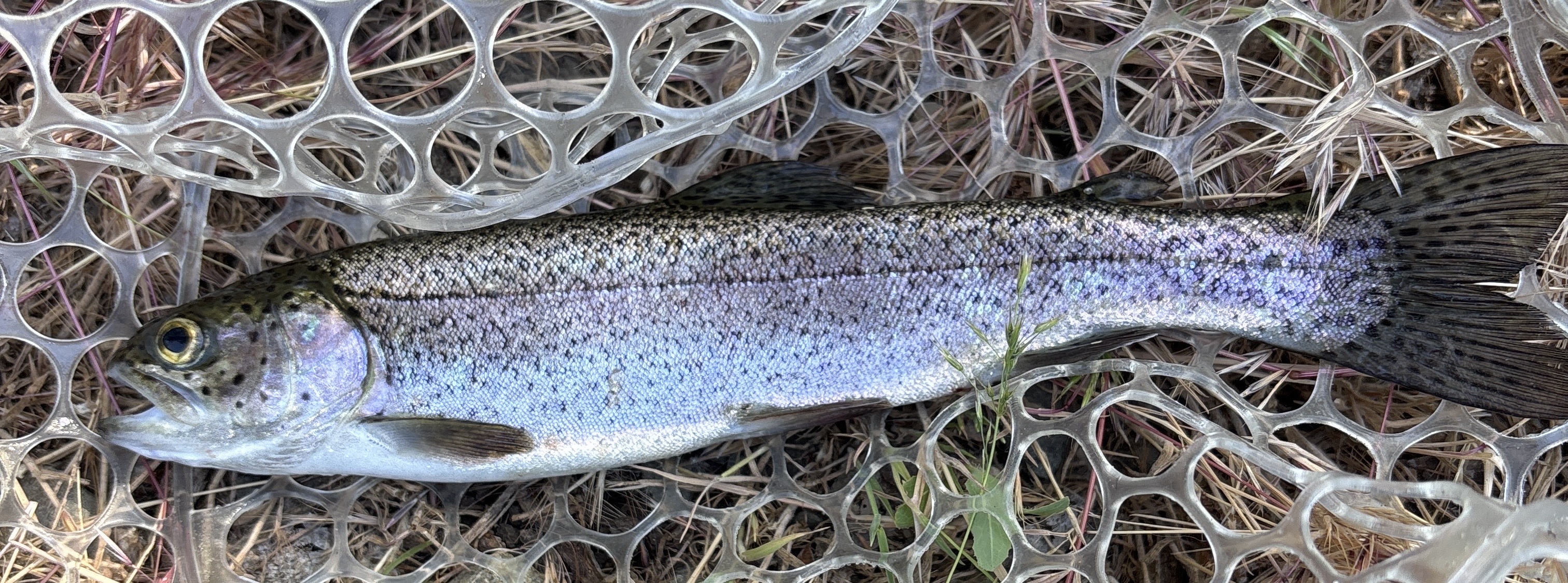
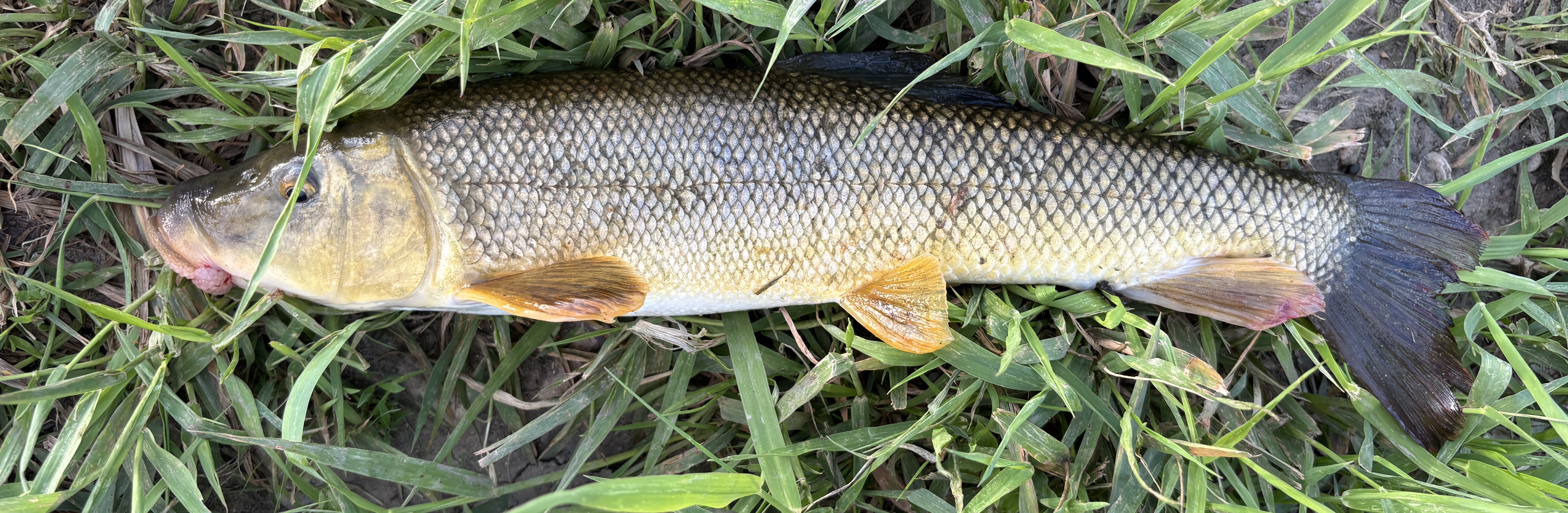
I went to the South Fork of the Root River in Preston, Minnesota this afternoon and evening hoping to catch a Brown Trout for my species list. I used the same bottom rig I had the other night, baited with a bit of worm. Once again, I ended up with something different—LOL. I landed a nice Rainbow Trout and hooked a couple more fish that I couldn’t bring in. One of those might have been a Brown Trout, but I can’t say for sure. I stayed from about 5:30 to 8:30 p.m., getting occasional bites, though I missed most of the hooksets. Just as I was about to call it a night, I caught one last fish that I suspected might be something new, but I wasn’t sure what it was.
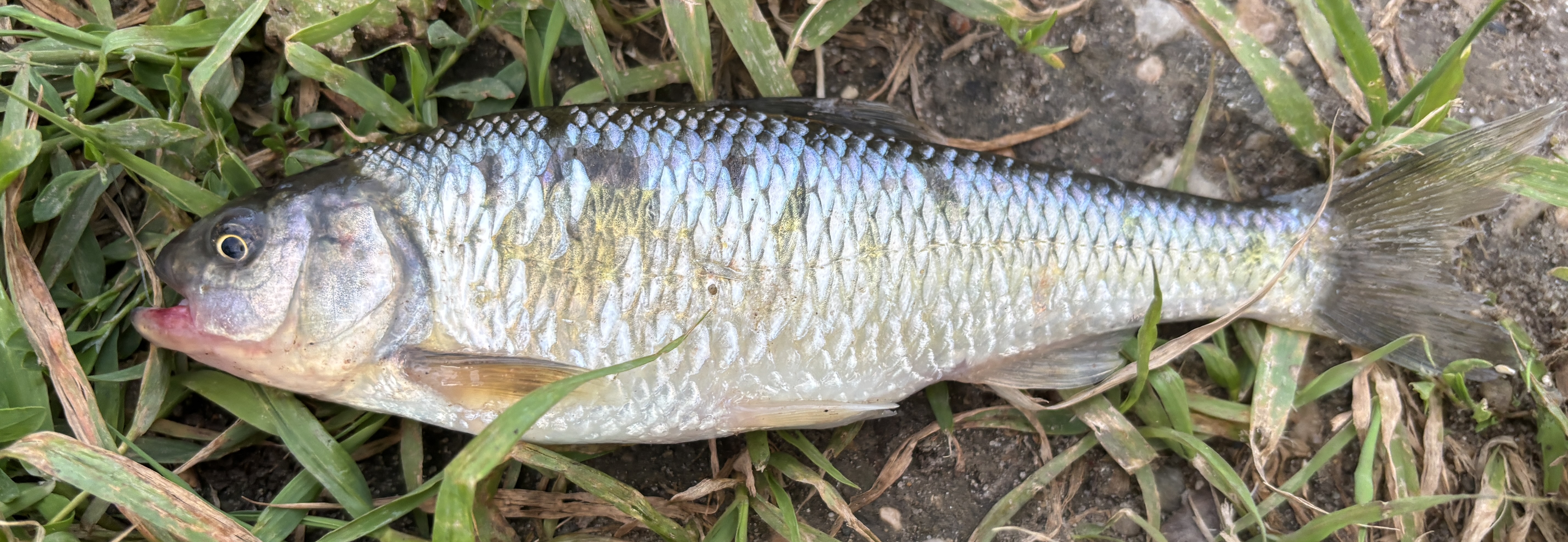
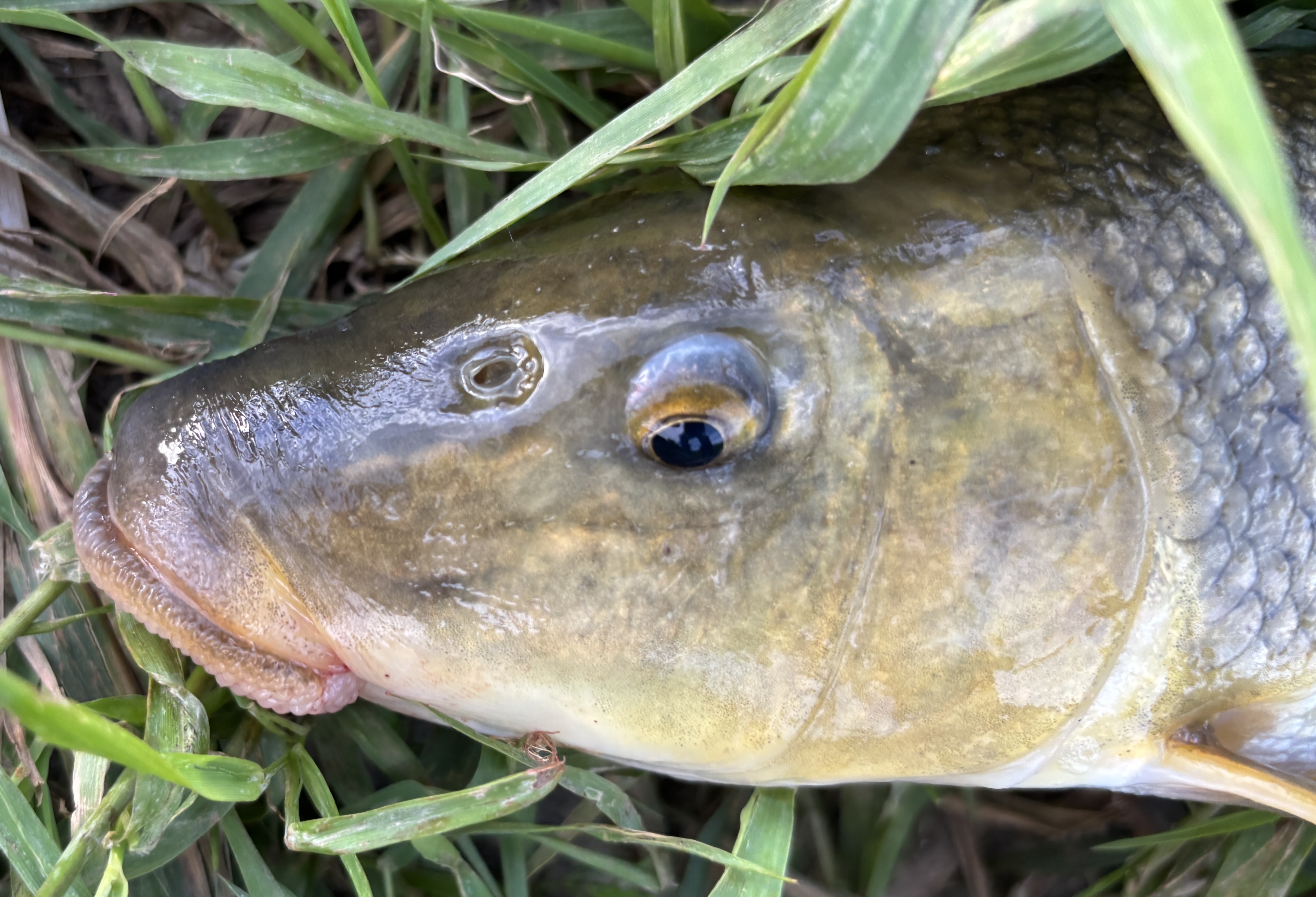
Common Shiner

iNaturalist identified it as a Common Shiner, which immediately made me wonder what exactly that was. A little research cleared things up. Shiners are part of the Minnow family (Cyprinidae), the largest family of freshwater fish in North America. The Common Shiner (Luxilus cornutus) is one of the more widespread species and is typically found in clear streams with moderate current—exactly the kind of water I was fishing. They usually have a silvery body with a darker back and tend to grow to about 2–6 inches. The one I caught was right around 6 inches.

I also learned that while all shiners are minnows, not all minnows are shiners. “Minnow” is a broad term that includes shiners, daces, and chubs, among others, while “Shiner” generally refers to these small, silvery, often schooling fish. Common shiners are a bit more robust than some of the other shiner species and can be an important forage fish for larger predators. Overall, it was a fitting and interesting catch for that stretch of river—even if I’m still looking for that Brown Trout.
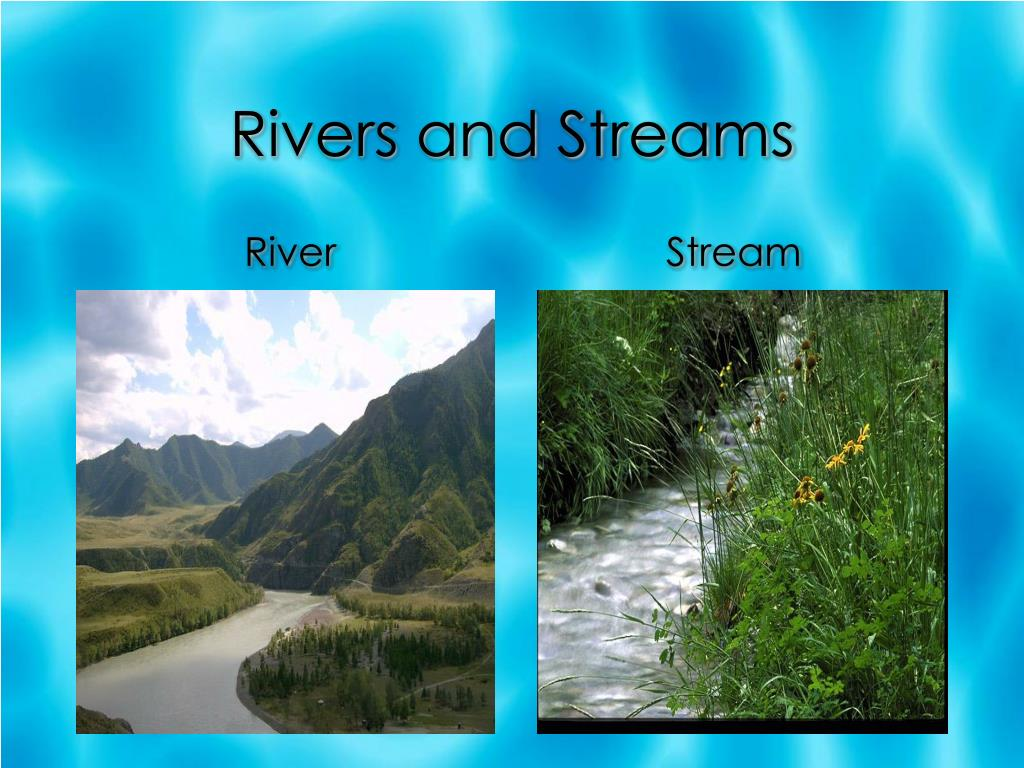
River vs. Stream: What’s the Real Difference?

Have you ever wondered whether there’s a real difference between a river and a stream? While fishing one day, I found myself asking exactly that question. My initial thought was that a river is just a bigger stream. That’s partly true—but it’s a little more complicated than that.

In the strictest sense, stream is a general term for any flowing body of water, while a river is simply a large stream. In other words, all rivers are streams, but not all streams are rivers. The point at which a stream becomes a river isn’t fixed—it’s somewhat subjective and often depends on regional usage.

A useful analogy is roads: a stream is like any road, from a small street to a highway, whereas a river is more like a major highway. An even better analogy, though, is a tree. Small headwater streams are like the tiniest twigs; as they join together, they form larger branches, and eventually a main trunk. In this sense, a river is the trunk of the tree, fed by an entire network of smaller branches upstream.

Hydrologists take a more systematic approach using the Strahler stream order system. In this system:

  • 1st-order streams are the smallest channels with no tributaries and are often headwaters.
  • 2nd-order streams form when two 1st-order streams meet.
  • 3rd-order streams form when two 2nd-order streams meet, and so on.

Using this classification:

  • Low-order streams (1–3) are what most people think of as streams, creeks, or brooks.
  • Mid-order streams (4–6) are transitional and are often locally called rivers.
  • High-order streams (7+), such as the Mississippi River (around 10th order), are large rivers.

So, who cares?

For anglers, this actually matters. Stream order correlates strongly with habitat type, water conditions, and fish communities. In many cases, the size and order of a stream are good predictors of the kinds of fish you’ll find there:

  • 1st–2nd order streams (tiny headwaters):
    Cold, shallow, and shaded; typically home to small trout and minnows.
  • 3rd–5th order streams (small rivers/creeks):
    More stable flow with moderate depth; commonly hold trout, smallmouth bass, and panfish.
  • 6th-order and higher (large rivers):
    Deeper, slower, and warmer waters; support species like walleye, catfish, pike, and largemouth bass.

As stream order increases, you generally move from small, cold-water species to larger, warm-water fish.

Species #25 and 26: River Chub and White Sucker

This afternoon I went to Rushford to try to catch Redhorse species and White Sucker at the Root River canoe drop-off on the south side of town. I used a simple bottom rig: 6 lb monofilament, 1/8‑oz sinker, 6 mm bead, size 10 barrel swivel, and about 18 inches of 6 lb leader with a size 8 hook, baited with roughly a 1/2‑inch piece of earthworm. No bites. I gave up after about 45 minutes.

I then drove to Preston to try for Brown Trout on the South Branch of the Root River. Because I was feeling a bit lazy I decided to stick with the same bottom rig for a while before switching to an inline spinner. I was surprised when I quickly caught a decent-sized, beautifully colored Rainbow Trout on the bottom rig. It put up a respectable fight.

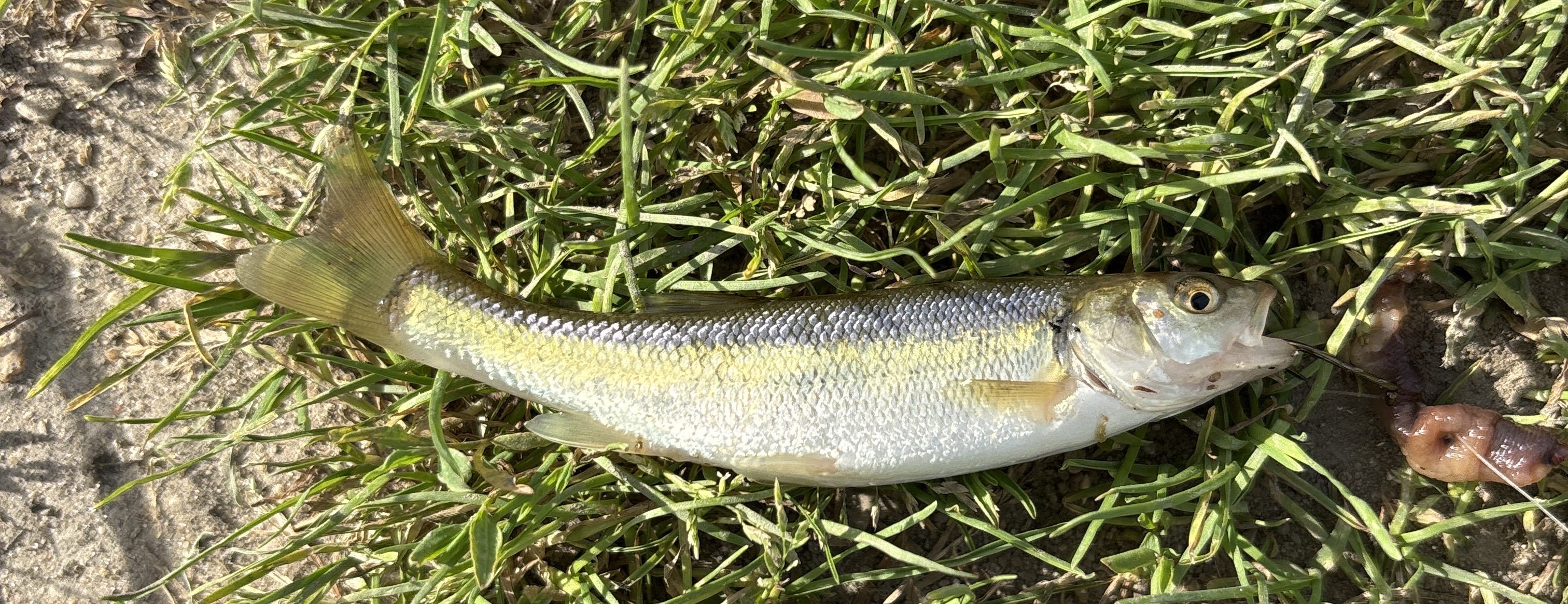
A little later I reeled in a ~3-inch River Chub (Nocomis micropogon)—a new species for me—which gave no fight (not surprising given its size). I didn’t even realize it was on the line until I pulled it in.

River Chub

About 20 minutes later I caught a solid (~12-inch) White Sucker (Catostomus commersonii), also a new species. Interestingly, it put up very little fight given its size. The White Sucker’s lips look like those of someone who’s had a bit too much Botox.

White Sucker
White Sucker (close up of lips)

I never did get around to using the inline spinner before I had to quit for the day. Perhaps I would have picked up a Brown Trout if I had.

So far, in terms of fight relative to size, I would rank Bluegill, Smallmouth Bass, and Trout as the best fighters. Channel Catfish also fight well, but they’ve been larger fish, so that’s somewhat expected. The least impressive fighters for their size have been White Sucker, Bullheads, and Northern Hog Sucker.

A little reading suggests that bottom-feeding fish often don’t “fight” as dramatically on hook and line because they’re built for steady, near-bottom living rather than quick bursts of speed. Their bodies and behavior favor slow cruising and endurance, so instead of explosive runs or jumps, they tend to pull steadily and hug the bottom—resulting in a more stubborn but less flashy fight compared with fast-moving predator species.

River Chub are apparently among the most common fishes in North American streams and are important prey for larger fish. They are often used as bait by anglers targeting bass and catfish. Their presence is also considered a good indicator of water quality, as they are relatively intolerant of pollution, turbidity, and siltation, and typically require a pH of at least ~6.0.

White Suckers are bottom feeders that use their fleshy lips to vacuum up sediments and the organisms within them. They are opportunistic feeders, consuming small invertebrates, algae, and plant material. In turn, they are prey for a wide range of larger fish including Walleye, Trout, Bass, Pike, and Muskie.

Speciation in Action: Cutthroat Trout and Black Bass in the U.S.

I recently spent a week fishing in the Southeast—Missouri, Illinois, Tennessee, and Georgia—and two weeks in Washington State. I caught Smallmouth and Alabama bass in the Southeast and Coastal Cutthroat trout in the Pacific Northwest.

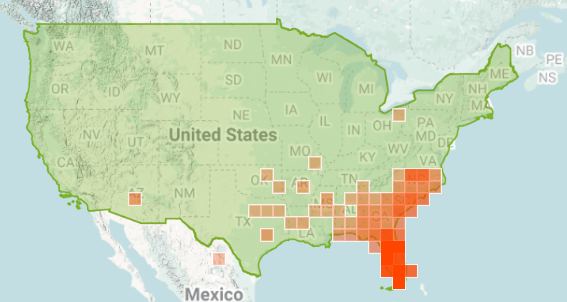
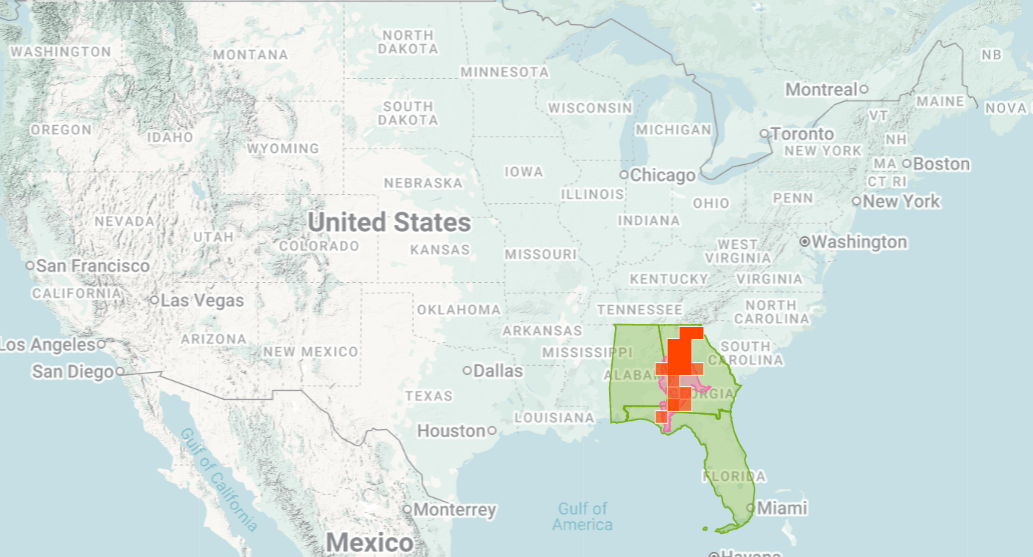
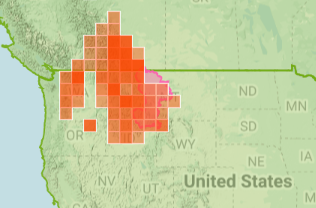
Looking into these fish afterward, I was struck by how many distinct forms exist in relatively small regions. Black Bass (Micropterus) include numerous recognized species—Florida, Alabama, Shoal, Guadalupe, Redeye, and others—often confined to single river systems. The figures below illustrate the distinct ranges of the Florida and Shoal basses as examples.

Florida Bass range
Shoal Bass range

Cutthroat Trout, by contrast, are mostly classified as subspecies of Oncorhynchus clarkii: Coastal, Westslope, Bonneville, Yellowstone, Lahontan, Rio Grande, and more.

Why so many forms in such small areas?

The answer is speciation—the gradual splitting of one population into distinct lineages when groups become geographically isolated and adapt to different environments.


Cutthroat Trout: Speciation in Progress

For example, coastal and westslope cutthroat:

  • occupy different watersheds
  • have long been isolated
  • differ in life history (coastal fish can enter saltwater)
  • show distinct appearance and genetics

Cutthroat trout show this process clearly. As mountains formed and rivers shifted, populations became separated—some in coastal drainages, others inland. Over thousands of years, they diverged.

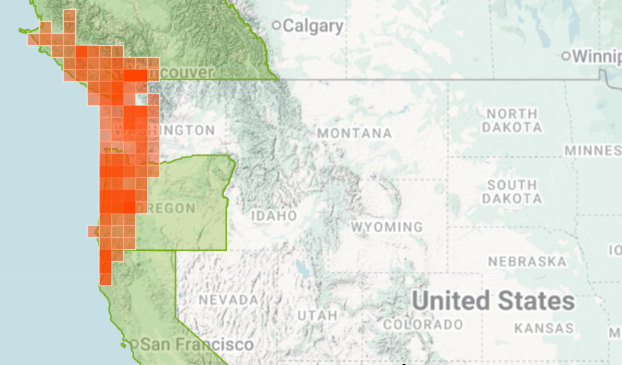
Coastal Cutthroat Trout range
Westslope Cutthroat Trout range

Yet they are still classified as subspecies, not full species—suggesting they are partway along the speciation continuum.


Black Bass: Same Process, Different Labels

Black Bass followed a similar evolutionary path, with populations isolated in separate southeastern river systems. But here, taxonomists have taken a more “split” approach, recognizing many of these lineages as distinct species.


Where to Draw the Line?

These two groups highlight a key point:

The difference between species and subspecies is often a judgment call applied to a continuous process.


A Practical Take

For my “100 species” project, I’ll count forms like Coastal and Westslope Cutthroat trout separately. Each represents a distinct place, strategy, and experience—regardless of the label.


It’s Lucky I Didn’t Rediscover Fishing Until I Retired

I’ve recently fallen in love with fishing—perhaps even become a bit obsessed. I love everything about it: learning how to catch fish, understanding the different species and their features, the thrill of the fight, the quiet of being outdoors, and even the meditative rhythm of casting and waiting. I also enjoy learning about rivers, lakes, and the seashore, and the opportunity fishing provides to travel to new places. Although I enjoyed fishing as a child, I set it aside for most of my adult life while focusing on a busy career and raising a family.

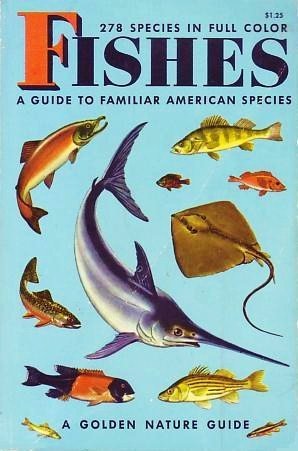
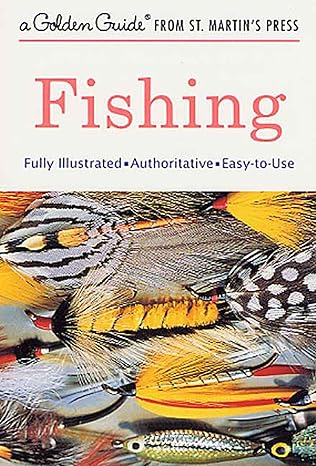
My fascination with fishing began around age twelve. My Dad introduced me to it and would occasionally take us out. My Mom nurtured the interest further by giving me a couple of Golden Guide books on fish and fishing, along with a subscription to a fishing magazine. I devoured them.

My parents also had a friend, Harold Kraus, who owned a large farm about 20 miles southwest of my hometown of Hays, Kansas. On his property was a roughly 20‑acre pond stocked primarily with Bluegill and Largemouth Bass. By the time I was 13, my Mom would drop me off there on Saturday afternoons, trusting Harold to keep an eye on me while I fished for hours.

One day Harold suggested I cast a lure beneath a large fallen tree along the shoreline. “You might find a big Largemouth Bass there,” he said. Sure enough, after a few casts, I landed a 3‑ to 4‑pound bass—an unforgettable moment.

By about age 16, tennis and other interests began to take over. Soon after, I left for college, then graduate school, medical school, and a demanding career, along with the responsibilities of raising children. Fishing became an occasional pastime at best.

Now, at 67 and nearing full retirement, I find myself returning to it with real enthusiasm. In some ways, I’m almost relieved I didn’t rediscover fishing earlier—I suspect I might have found it hard to get anything else done. It’s a wonderfully time‑consuming pursuit, in the best possible sense.

Lesson Learned #1: Make Sure Your Rod and Line Fit The Fish

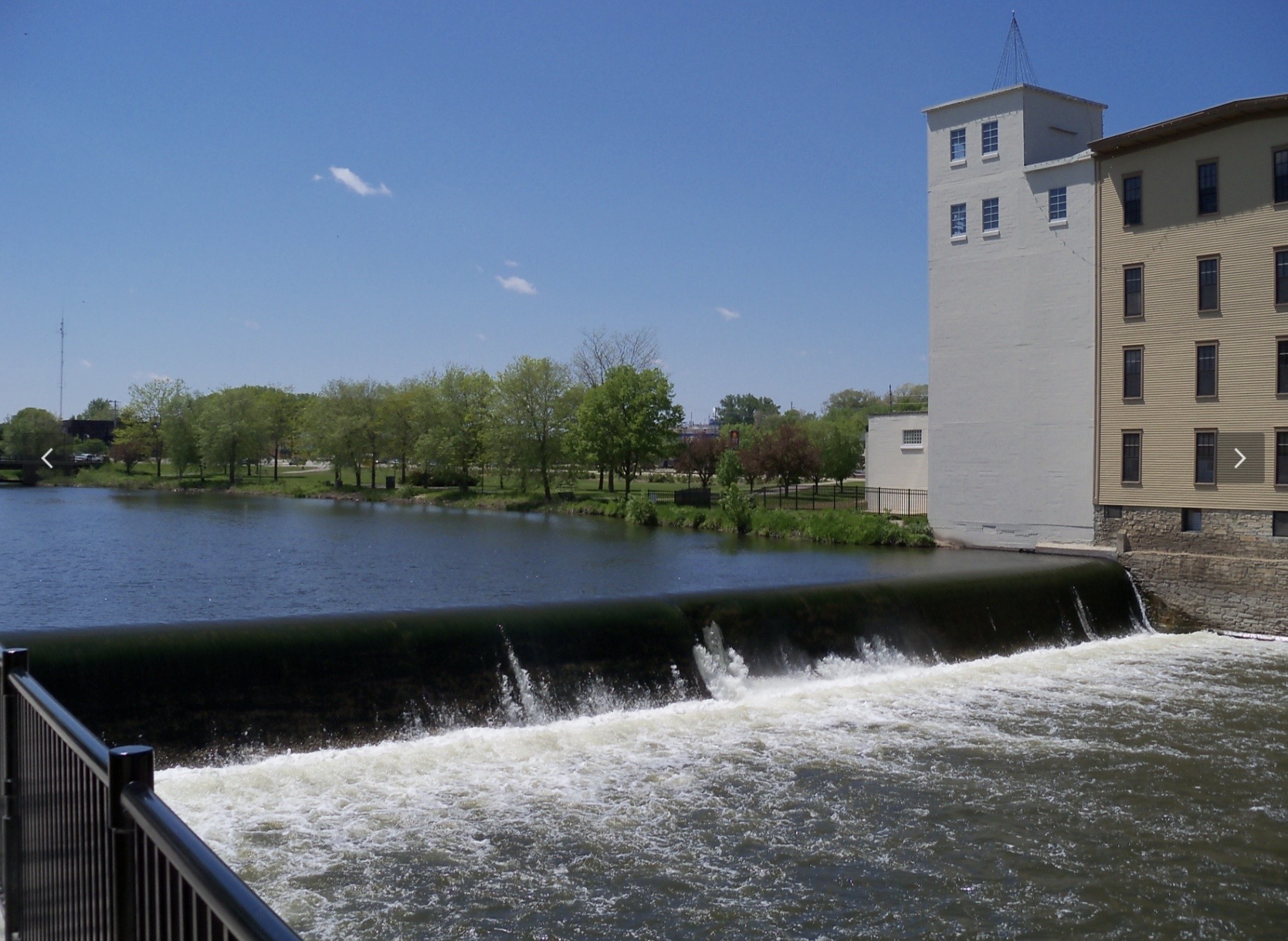
I went to Northfield, MN this evening to try to catch Shortnose Redhorse, which are supposedly common in the Cannon River just below the Ames Mill Dam in downtown Northfield which is one-hour northwest of Rochester. Northfield is known for its two colleges—Carleton and St. Olaf—which add to the charm of the town.

Ames Mill Dam

My strategy for redhorse was to use a split-sinker rig with the weight about 12 inches above a hook baited with a nightcrawler, cast into the riffles below the dam. The key is not to use too heavy a sinker—you don’t want it sitting on the bottom when targeting redhorse.

I was NOT catching redhorse, but I noticed numerous large Common Carp roiling in the water just below me.

Curious, I decided to let my bait hang over the side, close to the bottom, to see if I might get a bite from one of them.

Pretty soon I hooked a decent-sized fish. Initially, I thought it might be a carp—which I still need for my life list—but it turned out to be another Freshwater Drum. Those darn Freshwater Drum seem to be everywhere.

Still, I kept fishing, hoping to land one of those large carp.

Before long, I did hook one—and it was a fighter. I managed to battle it for about 20–30 seconds before it slipped away.

Shortly after that, a boy of about 14 who was fishing with his parents hooked a similarly large—perhaps even larger—carp. Unlike me, he clearly had experience. He played the fish skillfully, walking up and down the promenade along the west bank of the river to control it. He fought it for about five minutes before it finally got away.

As the evening went on, I hooked two more very large carp. In both cases, the moment I tried to bring them in, they snapped my 6-pound monofilament line.

It became obvious that there was no way I was going to land these fish with a medium-light rod spooled with 6-pound test.

Ironically, I had just purchased a heavy rod for catching flathead catfish—but had left it at home.

So I plan to return to Northfield soon (perhaps this weekend), but this time better prepared. I’ll bring the heavier rod, along with a reel spooled with at least 20-pound test line. I’ll also need a long-handled net that can reach over the 3–4 foot wall that lines the river, since the water itself is another four feet below that.

Still, I’m excited—I now know where to catch large carp. I just need to bring the right equipment.

And of course, I’ll also be back to try for more redhorse.

Species #20: Rainbow Trout

Got up early again—5 a.m. I haven’t been getting much sleep this week thanks to my fishing obsession. But you’ve got to strike while the iron is hot—I’m only in Washington for a few weeks before returning to work.

I hadn’t had much luck west of the Cascades (Seattle, Westport), so I hoped things might turn around east of the Cascades. One bonus: far less traffic. My main targets for the day were trout (rainbow, steelhead, and brown) and pikeminnow.

I started at Lavender Lake, about 10 miles west of Cle Elum, since Luke had caught a lot of rainbow trout there a week or two earlier. On my very first cast—using a 1/8-ounce blue-and-silver Kastmaster—I hooked a fish, but it came off. I fished for another 30 minutes with various lures and got no bites, even though I could see fish in the water.

So, I headed to Ellensburg to pick up fresh bait—earthworms, which I know rainbow trout love. It took a frustratingly long time to find a place that sold worms, but I eventually found some at Bi-Mart. A guy I know (Copilot) suggested Mattoon Lake on the southwest side of Ellensburg as a nearby trout spot, so I gave it a try.

The lake had a nice pier. Even though I now had worms, I stuck with the Kastmaster for a few casts since it was already tied on. On about the fifth cast, I got a strong bite and landed a modest-sized Rainbow Trout (Oncorhynchus mykiss).

A man in his 40s who had been fishing from a small boat came in just as I was landing the fish and congratulated me. He then began fishing from the pier. He told me about a “foolproof” rig an older gentleman (around 70) had shown him—a drop-shot setup with a pencil sinker at the end and a small artificial bait tied above it. It seemed to work for him, but (not to be smug) I was catching fish at a much higher rate. I landed five rainbow trout in about 30 minutes.

After the fifth fish, I decided to move on in search of other species—specifically brown trout and pikeminnow. As I left, I wondered if the others were puzzled why I would walk away while the fishing was so good. In retrospect, perhaps I should have stayed—those ended up being the only fish I caught all day.

From there, I drove down the somewhat austere but still beautiful Yakima River Canyon, hoping to find cutthroat or brown trout. I stopped at a few pullouts but didn’t get any bites. After exiting the canyon near Yakima, I went in search of backwaters along the Yakima River, targeting Northern Pikeminnow—a species I hadn’t caught before.

Northern Pikeminnow are widely disliked because they prey on salmon eggs and harm salmon populations. In fact, there’s even a bounty program that rewards anglers for catching and removing them. Despite that reputation, I was interested in adding one to my list.

I spent the afternoon trying to access suitable backwaters, but access proved difficult. Hopefully I’ll have another chance to try later this week.