I recently spent a week fishing in the Southeast—Missouri, Illinois, Tennessee, and Georgia—and two weeks in Washington State. I caught Smallmouth and Alabama bass in the Southeast and Coastal Cutthroat trout in the Pacific Northwest.
Looking into these fish afterward, I was struck by how many distinct forms exist in relatively small regions. Black Bass (Micropterus) include numerous recognized species—Florida, Alabama, Shoal, Guadalupe, Redeye, and others—often confined to single river systems. The figures below illustrate the distinct ranges of the Florida and Shoal basses as examples.
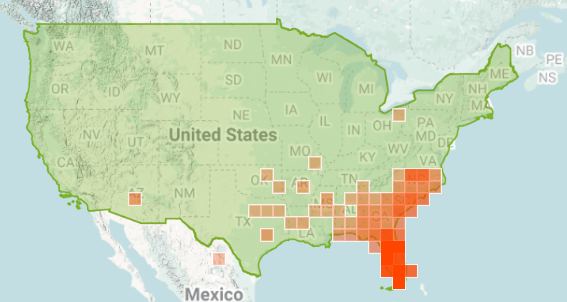
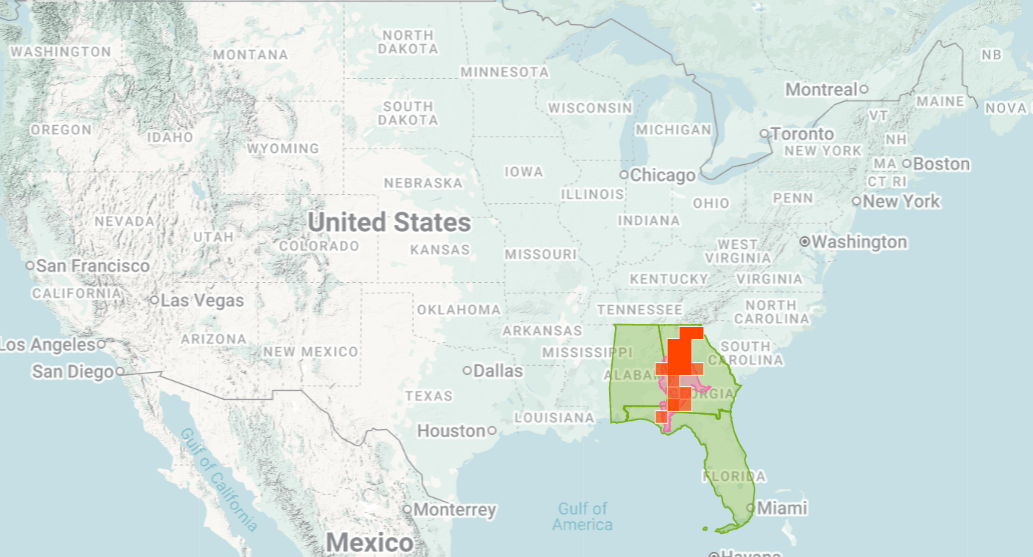
Cutthroat Trout, by contrast, are mostly classified as subspecies of Oncorhynchus clarkii: Coastal, Westslope, Bonneville, Yellowstone, Lahontan, Rio Grande, and more.
Why so many forms in such small areas?
The answer is speciation—the gradual splitting of one population into distinct lineages when groups become geographically isolated and adapt to different environments.
Cutthroat Trout: Speciation in Progress
For example, coastal and westslope cutthroat:
- occupy different watersheds
- have long been isolated
- differ in life history (coastal fish can enter saltwater)
- show distinct appearance and genetics
Cutthroat trout show this process clearly. As mountains formed and rivers shifted, populations became separated—some in coastal drainages, others inland. Over thousands of years, they diverged.
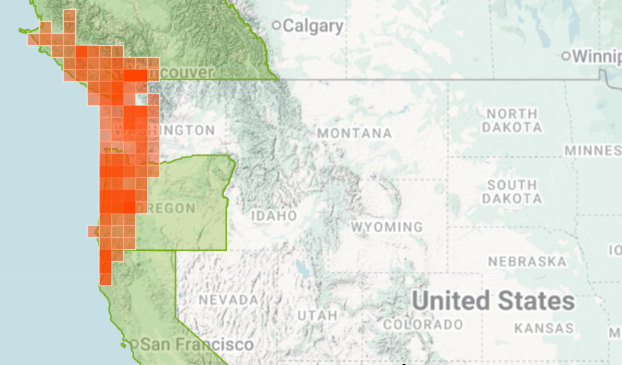
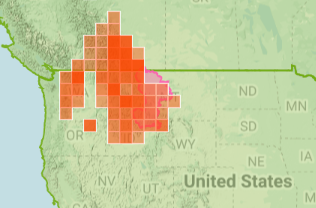
Yet they are still classified as subspecies, not full species—suggesting they are partway along the speciation continuum.
Black Bass: Same Process, Different Labels
Black Bass followed a similar evolutionary path, with populations isolated in separate southeastern river systems. But here, taxonomists have taken a more “split” approach, recognizing many of these lineages as distinct species.
Where to Draw the Line?
These two groups highlight a key point:
The difference between species and subspecies is often a judgment call applied to a continuous process.
A Practical Take
For my “100 species” project, I’ll count forms like Coastal and Westslope Cutthroat trout separately. Each represents a distinct place, strategy, and experience—regardless of the label.
 OneHundredFish