If you were to ask me just several days ago what various fish eat, I would have been pretty clueless. I knew that many fish eat worms, and some eat minnows and leeches, because you can buy all of those as fishing bait and because I have caught a wide variety of fish with worms over the years.
But I figured that was probably a pretty uneducated understanding of what fish eat, so I looked into it more. It turns out that the diets of fish can be classified into about eight categories: planktivores, piscivores, insectivores, benthivores, molluscivores, detritivores, algivores, and omnivores.
Before I explain what each of those is, it is helpful to know that -vore is Latin for “one who devours.” More precisely, it comes from the Latin verb vorāre, meaning “to devour,” “to swallow greedily,” or “to eat ravenously.”
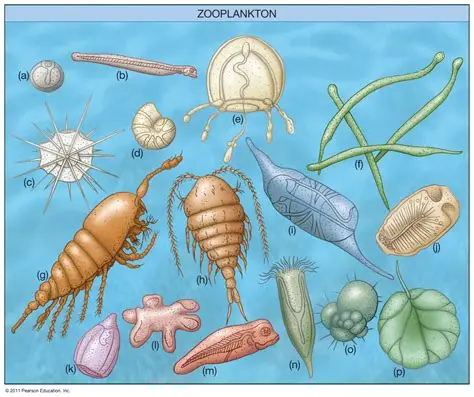
Planktivores are microscopic grazers that feed on zooplankton—for example, tiny drifting animals such as Daphnia, copepods, and rotifers. Examples include juvenile Perch, juvenile Trout, Cisco, Shad, Killifish, and many Minnows. Planktivores are usually small-bodied or juvenile fish. They occupy open water and often form schools. They are the crucial link between microscopic life and larger predators. Almost every fish begins life as a planktivore. Even Pike and Bass start out eating zooplankton before graduating to bigger prey.
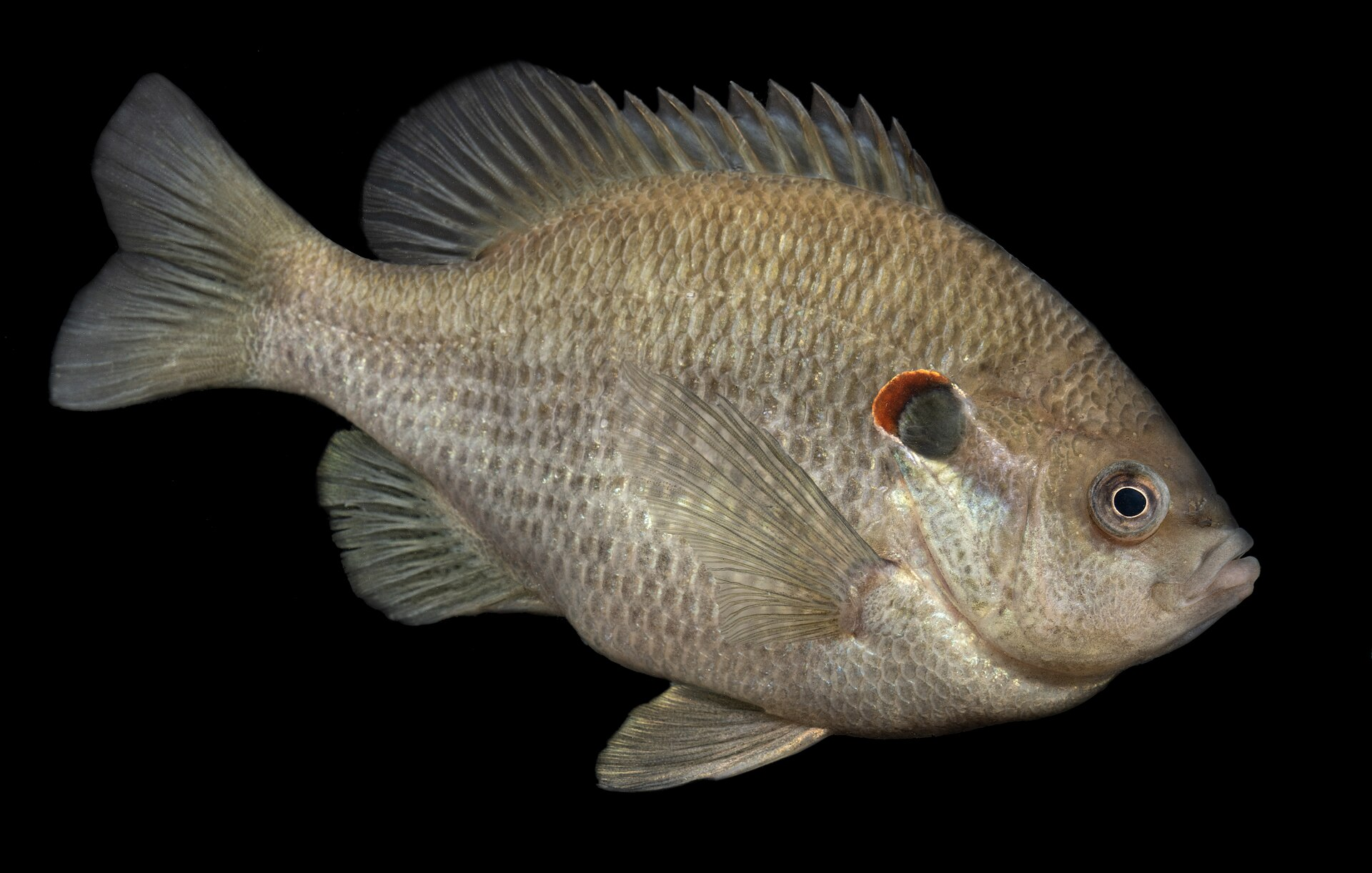
Omni- of course means “all,” and consequently omnivorous fish are generalists that eat a mix of plants, insects, small crustaceans, detritus, and sometimes tiny fish. Examples include Bluegill, Carp, Creek Chub, and many Minnows. These fish are adaptable and thrive in ponds, lakes, rivers, and marshes. Their flexibility is why Bluegills dominate many warm-water lakes and why Carp can survive almost anywhere.
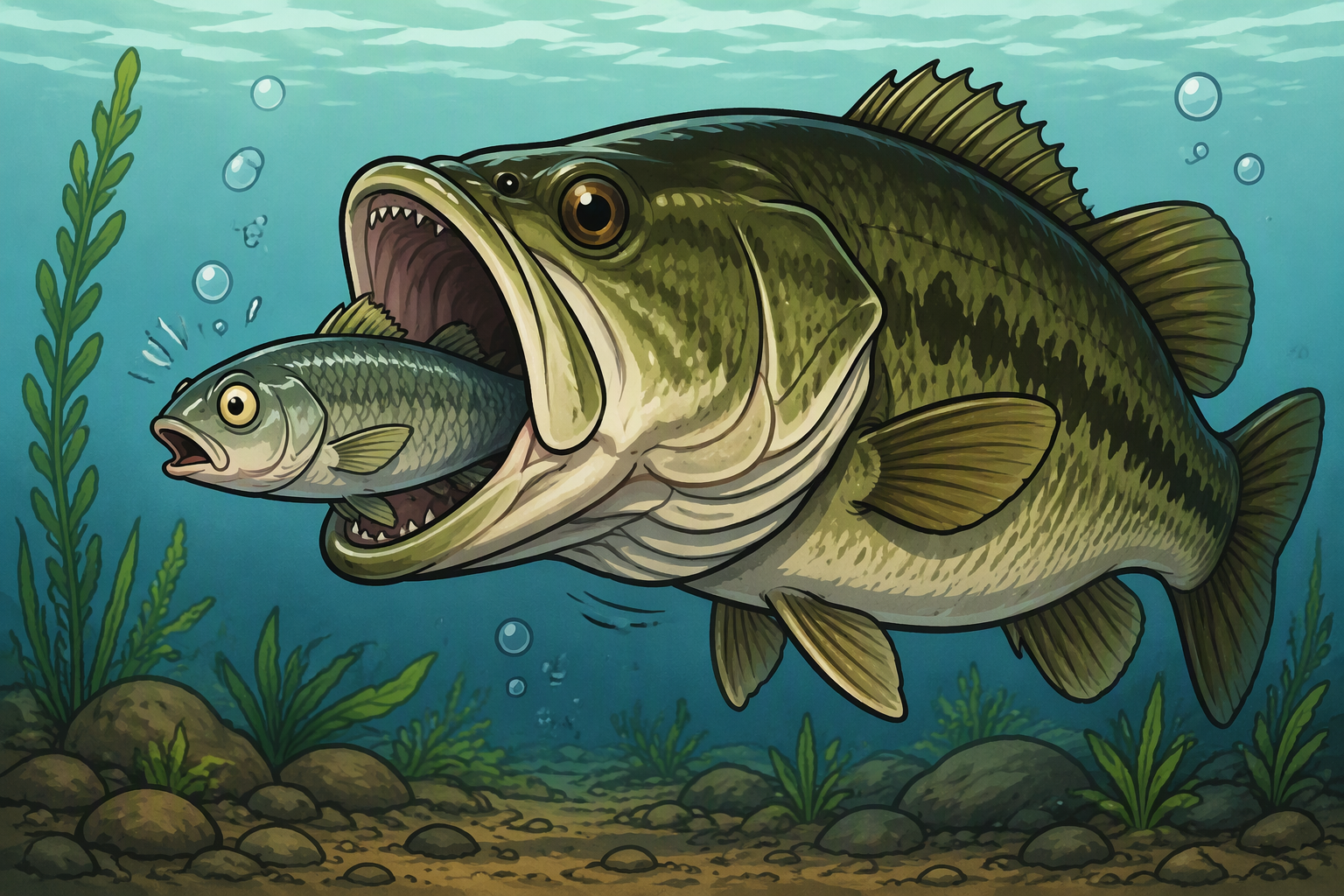
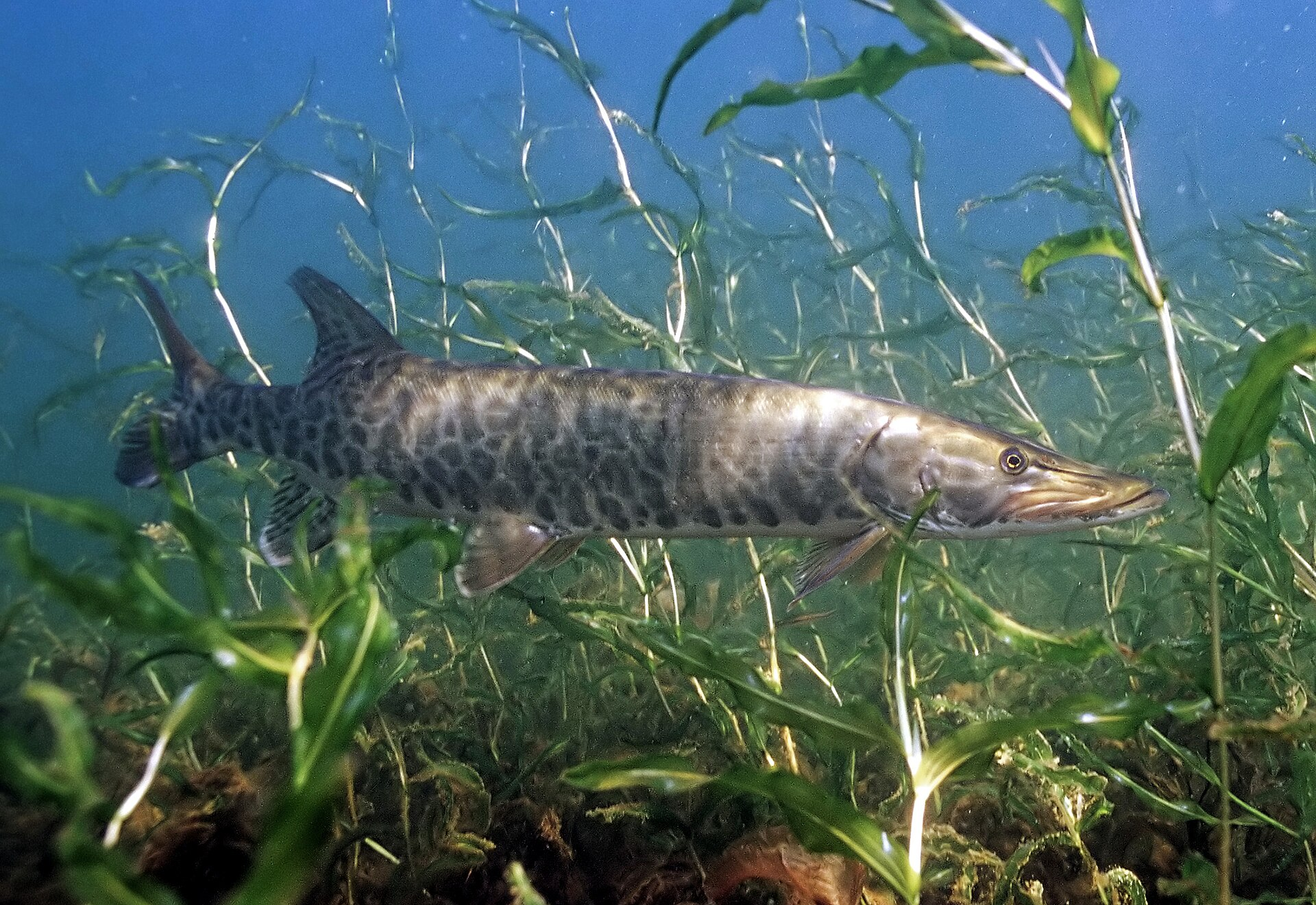
Piscivores eat other fish. They are the apex predators of freshwater systems. Examples include Northern Pike, Muskie, Largemouth Bass, Walleye, Flathead Catfish, Bowfin, and Gar. Piscivores shape fish communities. They control panfish numbers, influence prey behavior, and often determine where other species can safely feed. Their bodies reflect their diets: long jaws, sharp teeth, fast-twitch muscles, and ambush-oriented shapes.
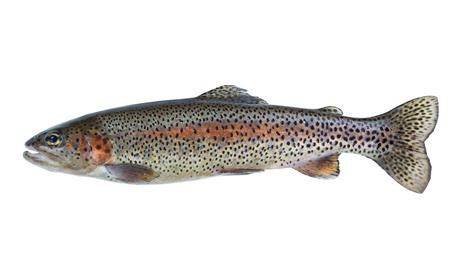
Insectivores feed on aquatic insects such as mayflies, caddisflies, midges, stoneflies, and larvae. Examples include Trout, Darters, many Minnows, and juvenile Bass. These fish rely on clean, oxygen-rich water. Their presence often indicates a healthy stream or lake. Trout are the classic insectivores: they rise to drifting insects, pick larvae off rocks, and track hatches with precision.
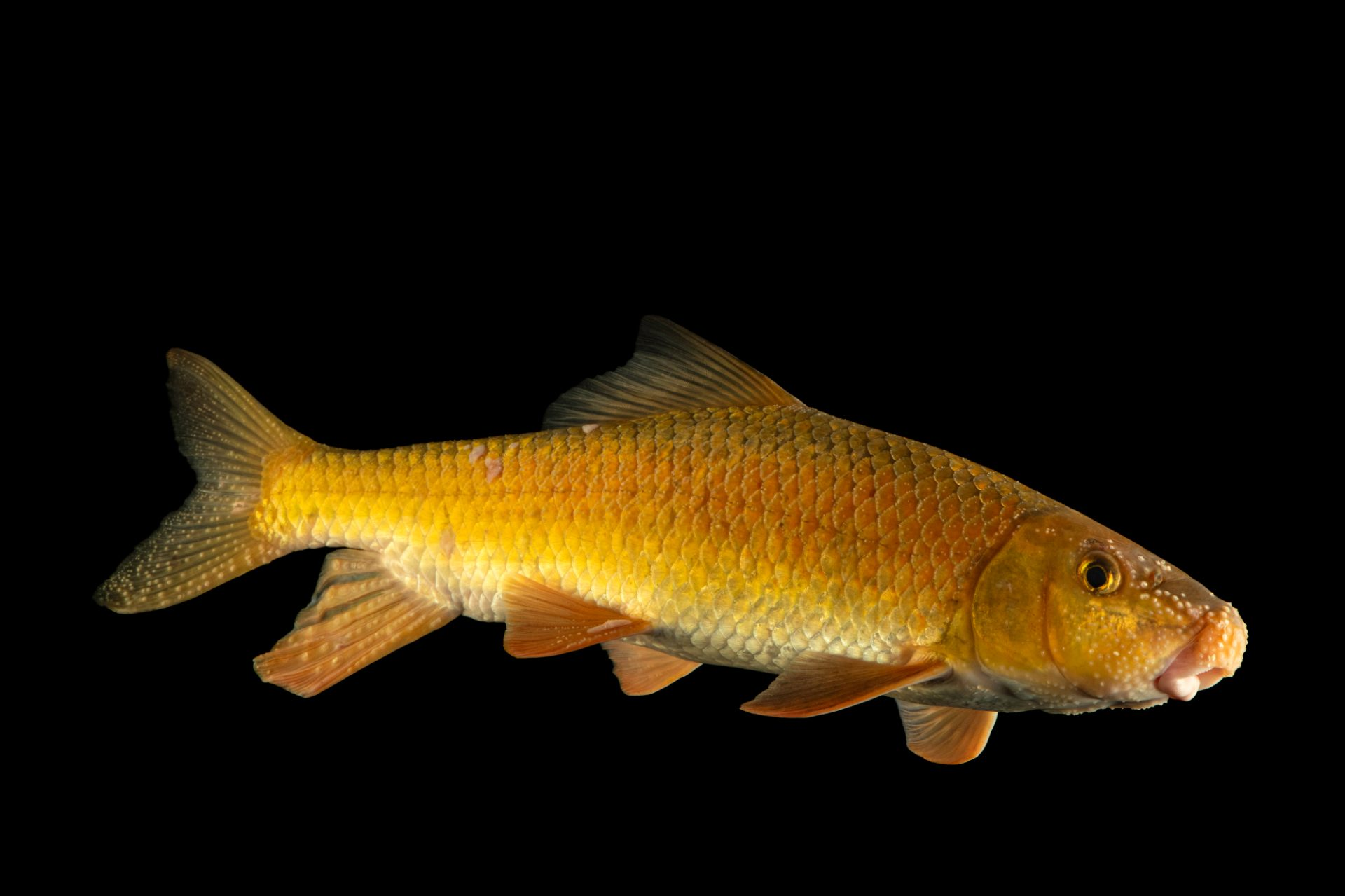
Benthivores feed on organisms living on or in the bottom sediments. Examples include suckers, catfish, sturgeon, and sculpins. They eat insect larvae, worms, small crustaceans, and detritus. Their mouths are often downturned, adapted for rooting through or vacuuming the substrate. This category includes many of the species I have spent a lot of time fishing for with bottom rigs—especially suckers, which are classic benthic specialists.
Molluscivores, also known as the “shell crushers,” are fish that specialize in eating snails, clams, and mussels. Examples include Redear Sunfish (the “shellcracker”) and Freshwater Drum. They have strong pharyngeal teeth designed to crush shells. This diet helps control invasive snails and can influence water clarity.
And finally, detritivores and algivores are considered the clean-up crew because they eat algae or decomposing organic matter. Examples include certain Minnows, some Suckers, and various tropical species. They recycle nutrients and help stabilize ecosystems.
It is important to realize that fish diets change as they grow. A single species may pass through multiple feeding categories:
- Bluegill: planktivore → insectivore → omnivore
- Perch: planktivore → insectivore → piscivore
- Trout: planktivore → insectivore → occasional piscivore
- Bass: planktivore → insectivore → piscivore
Understanding these transitions explains why fish occupy different habitats at different life stages. Knowing feeding strategies helps predict where fish hold, what bait works, when they feed, how species interact, and why certain lakes produce particular fish communities.
In other words, the next time I put a worm on a hook, I will have a much better idea of what might be interested in eating it.
 OneHundredFish