One of my goals during my week‑long visit to Washington was to finally catch a salmon — and I did. After 35 years in Minnesota and a childhood in Kansas, salmon always felt a little mysterious to me. But after doing some reading, listening to an excellent audiobook on Salmon, and landing a Coho salmon from the Edmonds Fishing Pier, I’m starting to understand them better.
Worldwide, the salmon family (Salmonidae) includes more than 200 species across salmon, trout, char, whitefish, and grayling throughout the Northern Hemisphere. But here in the Pacific Northwest — meaning Washington, Oregon, and coastal British Columbia (excluding Alaska and Yukon) — that huge global family narrows to just nine native species: five Pacific salmon (Chinook, coho, chum, sockeye, pink), three trout (steelhead/rainbow, coastal cutthroat, westslope cutthroat), and one whitefish (mountain whitefish).
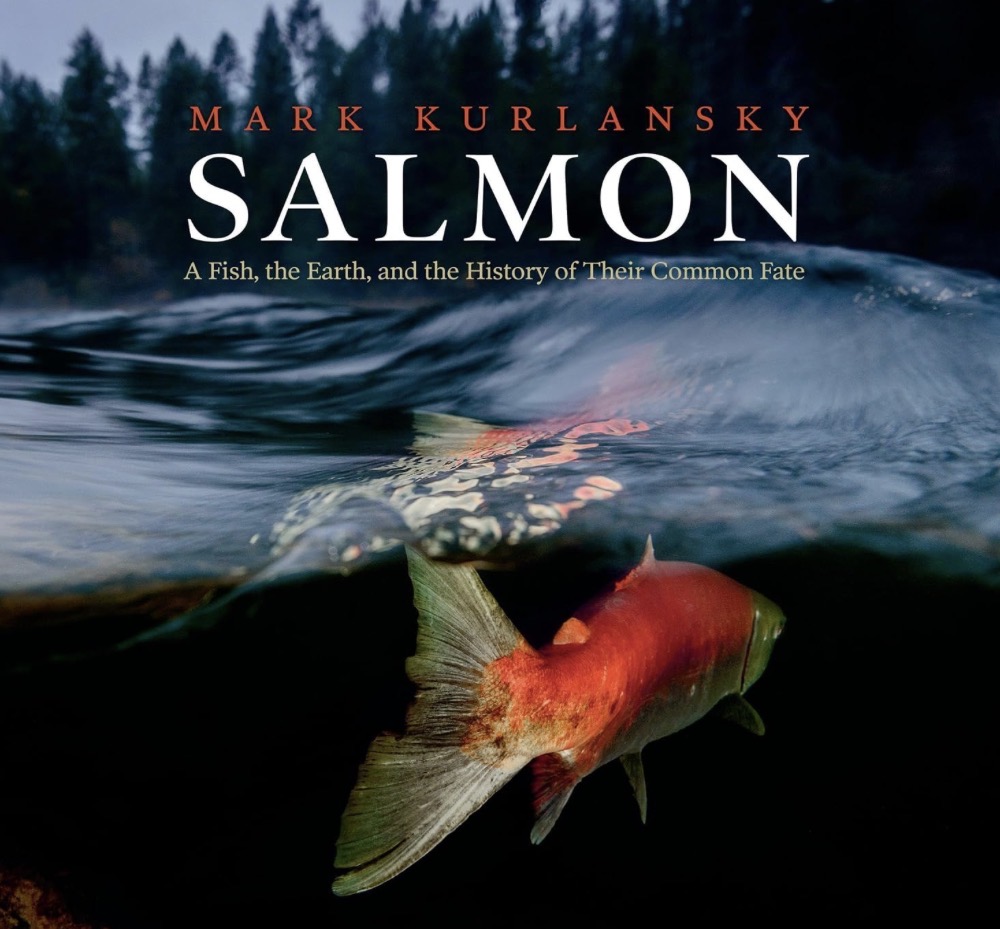
A few things surprised me this week. Salmon are bright silver in the ocean but transform into brilliant reds, greens, and purples only when they begin their long upriver migrations. They stop feeding once they enter freshwater, which means most river hookups are reaction strikes or accidental snags. They die shortly after spawning, and the dramatic color and body‑shape changes they undergo — along with their uncanny ability to return to the exact stream where they hatched — remain only partly understood. The more I learn, the more fascinating they become.
 OneHundredFish