I’m spending several weeks in North Bend, Washington and had been looking forward to catching some Pacific Northwest fish. Since I didn’t bring any gear from my home in Rochester, Minnesota, the trip started with a bit of a scramble. The options in Issaquah were surprisingly limited, so I drove into Seattle and found everything I needed at Outdoor Emporium, a large, old-school store just south of downtown. A new rod, an extra reel (insurance against tangles), and a selection of lures later, I was ready—along with a Washington fishing license that turned out to be more than twice the cost of a Minnesota license.
For my first outing, I headed to Lake Sammamish, about 35 minutes from my townhouse. The lake lies roughly 10 miles east of Seattle and stretches from Issaquah to Redmond. Much of the shoreline is lined with homes, limiting access, but Lake Sammamish State Park provides a good public entry point.
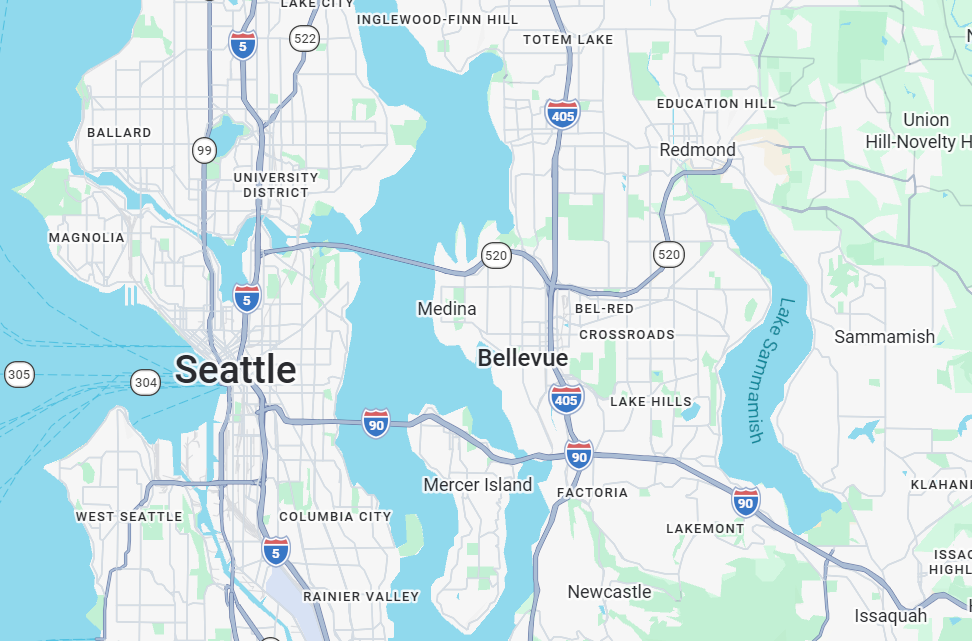
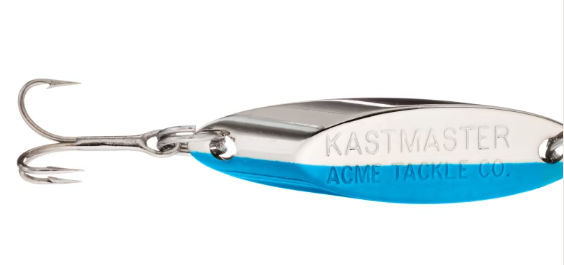
I had planned to start fishing around 5:00 a.m., just before sunrise. Despite getting up at 4:30, I didn’t arrive until sometime after 6:00, already behind schedule. I set up at Sammamish Landing Park on the northeast side of the lake and began casting a small silver-and-blue Kastmaster spoon from the pier. The water was lively with small fish breaking the surface, which felt promising.
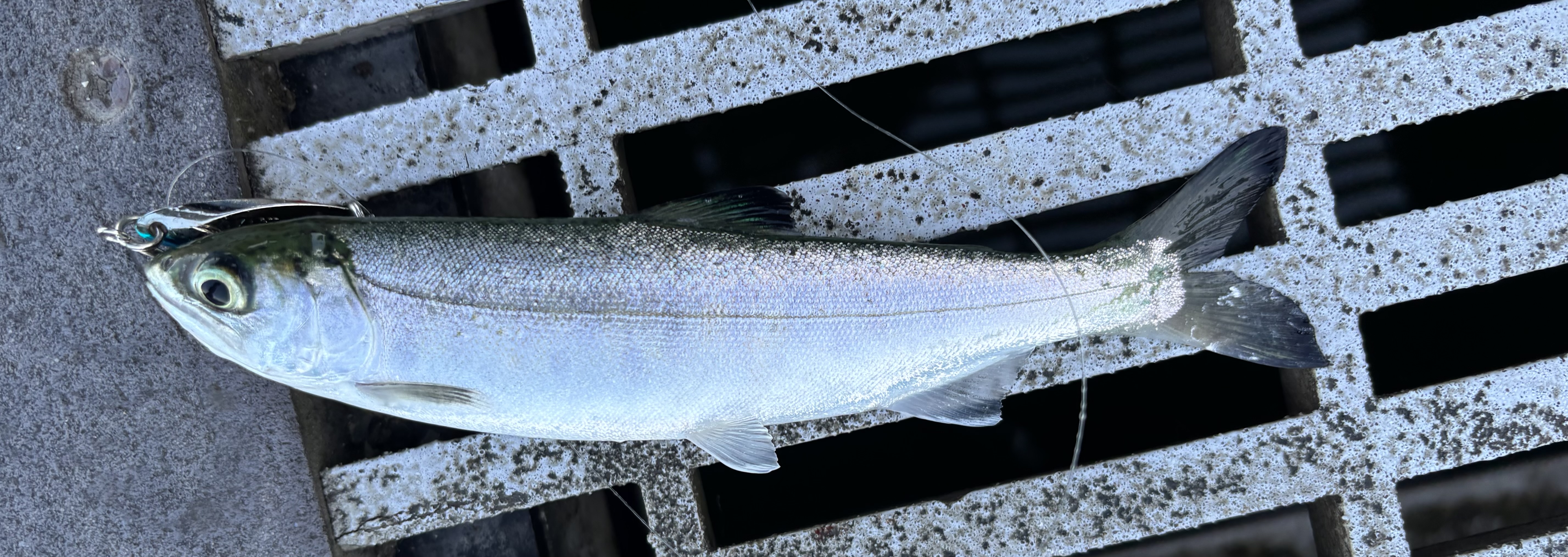
Before long, I hooked something—but not what I expected. It was tiny, only about 3–4 inches long. iNaturalist identified it as a Coho Salmon (Oncorhynchus kisutch), and one user agreed, making it “Research Grade,” though I remain a bit skeptical. Based on the size and what’s typically found in Lake Sammamish, it was more likely a juvenile Kokanee Salmon (Oncorhynchus nerka), the landlocked form of Sockeye Salmon. I soon caught a second fish of nearly identical size, which made it clear that the surface activity was likely a school of young salmon.
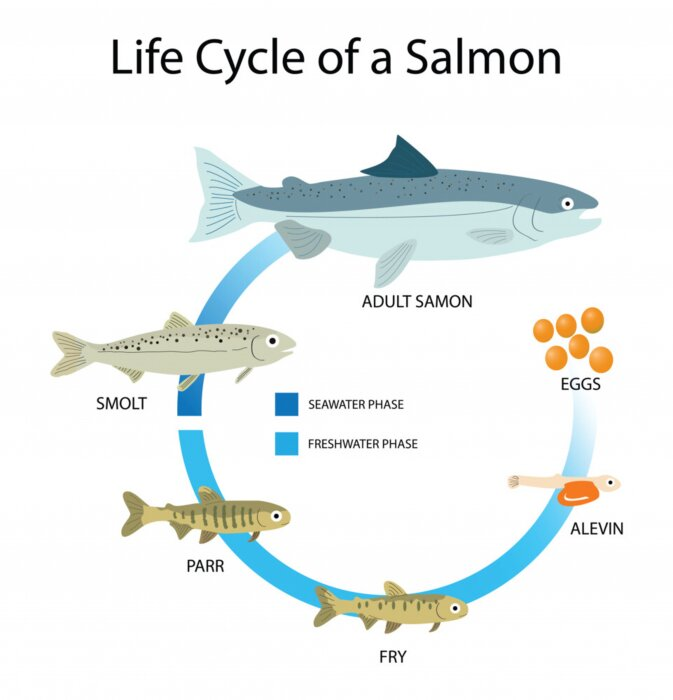
It was interesting to see salmon at that stage. I tend to think of salmon as large, powerful fish, but of course they begin life much smaller. These were likely in the parr stage—essentially “teenage” salmon. For Kokanee, that stage occurs entirely in freshwater, and unlike ocean-going Sockeye, they remain relatively small even as adults. Seeing them at this size offered a glimpse into a part of their life cycle that most people never notice.
After fishing until about 8:00 a.m. without catching larger fish, I decided to change tactics and headed to the south end of the lake to look for Yellow Perch (Perca flavescens) and Pumpkinseed (Lepomis gibbosus) . I tried microjigs and worms along the shoreline without success, then switched to a simple bobber-and-worm setup near shoreline vegetation.
This time, the bite was decisive. The bobber went under, and I landed a fish with striking red eyes that immediately made me think of Rock Bass (Ambloplites rupestris)—a species I had unsuccessfully tried to catch just two days earlier in the Mississippi River. iNaturalist confirmed the identification, and two users agreed. That was surprising, since Rock Bass are not native to this region, but a bit of digging showed they do occasionally appear in Lake Sammamish and nearby Lake Washington. Incidentally, they really should be called Rock Sunfish and not Rock Bass since they are in the sunfish family.
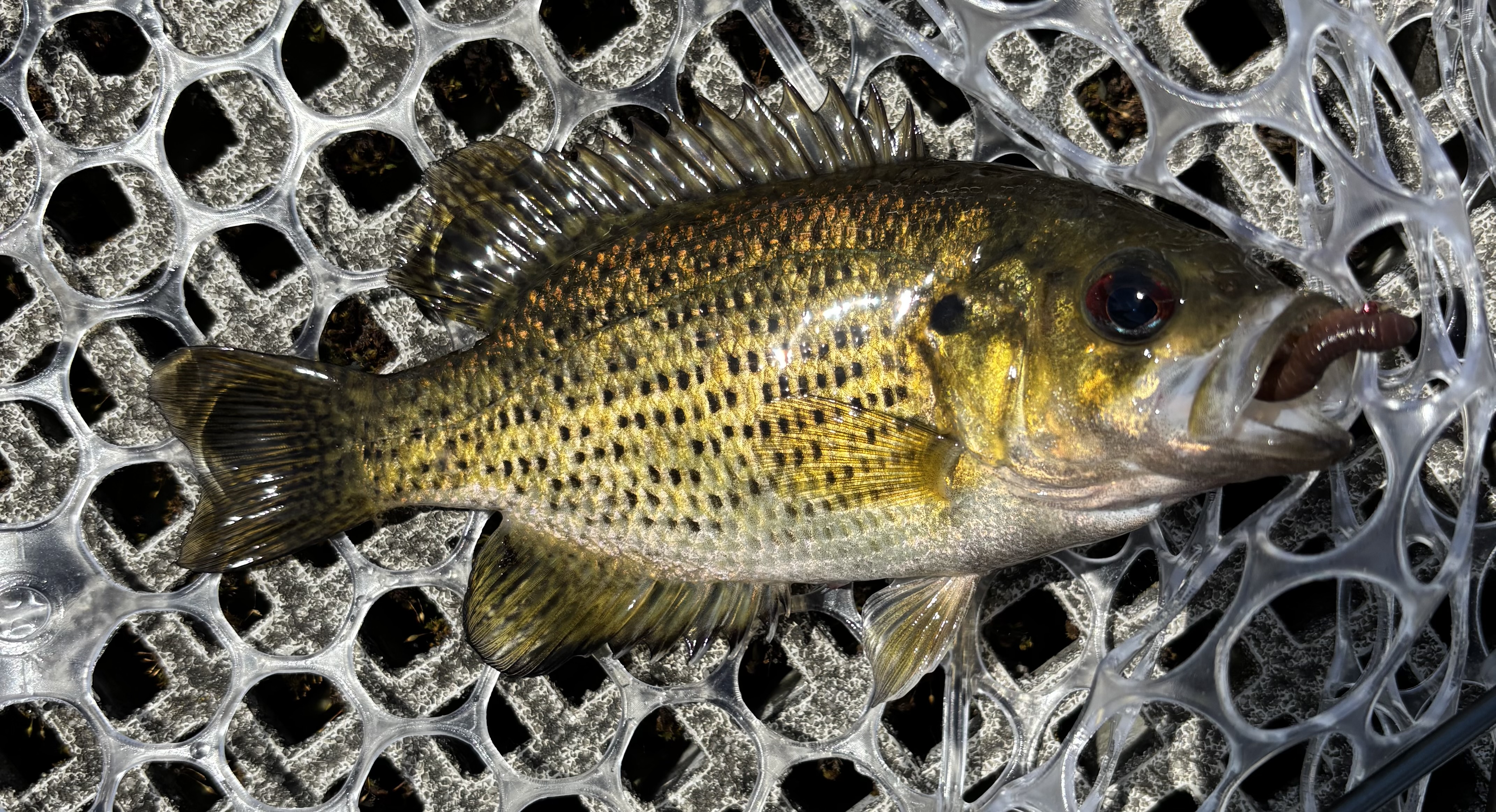
In the end, it was not the day I had planned—which, in fishing, is often how things go. I set out looking for trout and typical lake species and instead found juvenile salmon and an unexpected Rock Bass. But I added two new species to my list and, more importantly, learned something along the way. Given the uncertainty in identifying the salmon, I’ll simply record it as Salmon spp. for now and see whether further expertise clarifies things later.
 OneHundredFish